
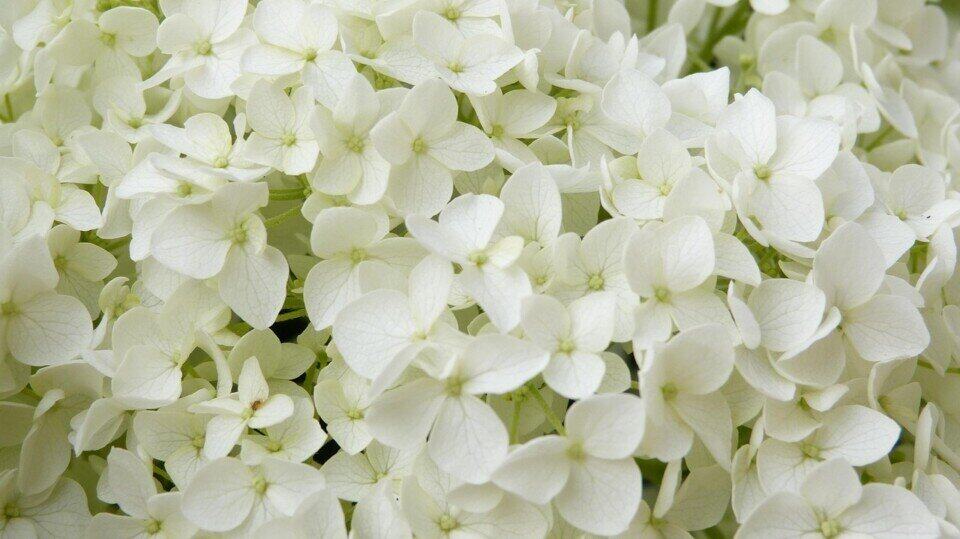
Discover whether Limelight hydrangeas attract bees and why this matters for your garden.
Learn how fertile florets and bloom structure influence pollinator visits, helping beginners create more bee-friendly landscapes with confidence and ease.
Introduction
Let’s dive into the heart of your question. As your trusted gardening guide, seasoned in both expert cultivation and newbie-friendly advice, I’ll walk you through what Limelight hydrangeas offer (and don’t offer!) to our buzzing friends.
By the end, you’ll understand whether these show-stopping shrubs really bring bees into bloom.
What Are Limelight Hydrangeas?
Limelight hydrangeas (Hydrangea paniculata ‘Limelight’) are known for their large, lime-green to creamy-white cone-shaped flower panicles that gradually shift to pink and burgundy as summer progresses. These blooms are composed of:
- Sterile bracts, large, petal-like structures that give visual drama but provide no nectar or pollen.
- Fertile florets, much smaller and often hidden, are the actual food source for bees.
Understanding this mix is key to assessing their pollinator value.
Bee Visit Patterns
Bees don’t come for the big showy bracts, they visit because of the nectar and pollen in the fertile florets. That means:
- Visible, exposed fertile florets result in bee visits.
- On Limelight hydrangeas, those florets can be sparse or tucked deep, which makes them less bee-friendly than varieties with lacecap or flat blooms.
Practical Insights for Beginners
- If you see bees on your Limelight blooms, they’re searching out those small fertile florets, great sign!
- If bees are rare visitors, it’s likely due to lack of exposure or crowded florets. Still, occasional visits do happen, this isn’t a dead zone for pollinators, but it’s not a magnet either.
Summary Table: Bee Attraction Factors
| Factor | Effect on Bee Visits |
| Abundant, accessible fertile florets | Higher likelihood of bee visits |
| Dominant sterile bracts | Lower pollinator value |
| Opening blooms early in season | Better timing for bee activity |
This quick comparison highlights how bloom structure influences bee attraction at a glance, perfect for visual learners!
Why This Matters
Even limited bee visits contribute to pollinator support, and let’s not forget, Limelight hydrangeas offer unmatched garden beauty.
Understanding their role lets you pair them wisely with more bee-friendly plants if your goal is both wow factor and wildlife value.
Why Some Hydrangeas Attract Bees (Fertile Florets vs. Sterile Bracts)
Understand why some hydrangeas attract bees by learning the difference between fertile florets and sterile bracts.
Gain beginner-friendly insights into the flower anatomy that determine pollinator visits, including how Limelight blooms compare.
Understanding Hydrangea Floral Anatomy
Let’s explore what’s going on under the surface of those beautiful blooms so that even gardening beginners can grasp exactly why bees show, or don’t show, up.
Sterile Bracts
- These are the large, showy “petal-like” parts you see on Limelight hydrangeas.
- Their main job? To catch the eye of the gardener, not to feed bees. They provide no nectar or pollen, which makes them useless as a food source for pollinators.
Fertile Florets
- Tiny, often hidden blooms tucked in among the bracts.
- These are the real deal, the ones producing nectar and pollen that bees love.
- The more abundant and accessible these florets are, the more desirable the plant becomes to pollinators.
How These Parts Affect Bee Attraction
| Floral Feature | Description | Effect on Bee Visits |
| Sterile Bracts | Showy, large, but lacking food resources | Attract human appreciation only |
| Fertile Florets | Small, nectar/pollen-producing blooms | True drivers of bee visits |
| Visibility of Florets | How easily bees can find the florets | High visibility = better visits |
This table gives a clear, beginner-friendly breakdown of which parts matter to pollinators, and why.
Limelight Hydrangeas in Context
- On Limelights, sterile bracts often dominate, and fertile florets may be tucked deep or limited in number.
- That means, visually beautiful as they are, Limelights can be less attractive to bees compared to types where fertile florets are prominently exposed (like lacecaps).
Tips for Maximizing Pollinator Potential
- Prune selectively to encourage more fertile florets and better visibility.
- Pair with complementary plants that are rich in nectar (e.g., monarda, lavender) to draw bees to your garden area.
- Monitor the bloom stage, you often see more bees when florets are fresh and fully open.
Why It Matters for Your Garden
Knowing the difference between sterile bracts and fertile florets isn’t just botanical trivia, it’s your guide to designing a garden that’s both beautiful and alive with pollinator activity.
You can keep the drama of Limelights while boosting their bee-friendliness with a few smart tweaks.
Are Panicle Hydrangeas (Like Limelight) Good for Pollinators?
Find out if panicle hydrangeas, including Limelight, are good for pollinators.
Learn how their bloom type, fertile florets, and seasonal timing affect bee visits, and discover ways to make them more pollinator-friendly in your garden.
What Are Panicle Hydrangeas?
Panicle hydrangeas (Hydrangea paniculata) are beloved for their tall, cone-shaped flower clusters, hardy growth, and stunning color changes throughout the season.
Varieties include ‘Limelight,’ ‘Pinky Winky,’ ‘Bobo,’ and ‘Vanilla Strawberry.’ Their flowers are arranged on upright stems in elongated clusters called panicles, which set them apart from mophead or lacecap hydrangeas.
Natural Pollinator Appeal
- Strengths: Panicle hydrangeas bloom in mid-to-late summer, a time when nectar sources can be scarce. This timing can benefit bees if fertile florets are present and accessible.
- Weaknesses: Many cultivated panicle varieties have been bred for showy, sterile bracts, reducing their food value for pollinators.
- Reality Check: While panicles can host bees, they usually don’t match the bee traffic of more open-faced hydrangeas.
Comparing Panicle Hydrangeas to Other Types
| Hydrangea Type | Pollinator Value | Notes on Bee Visits |
| Lacecap | High | Large fertile center, easy access |
| Oakleaf | Medium-High | Fertile flowers visible, blooms earlier |
| Panicle (Limelight) | Medium-Low | Some fertile florets, often hidden |
| Mophead | Low | Mostly sterile blooms |
This table helps you visualize where panicle hydrangeas stand in the pollinator hierarchy
Why Limelight Falls in the Middle
Limelight is more bee-friendly than mophead hydrangeas but less attractive than lacecaps.
This is due to its mix of abundant sterile bracts and fewer fertile florets. Some seasons, you might see a gentle hum of bee activity; other years, it may be minimal.
Ways to Boost Their Pollinator Value
- Plant near bee magnets such as coneflowers or salvias to create a “pollinator hub.”
- Choose less-modified panicle cultivars with more fertile florets for future plantings.
- Avoid heavy pesticide use during bloom season to protect visiting bees.
Bottom Line for Gardeners
Panicle hydrangeas, including Limelight, can be part of a pollinator-friendly garden, but they work best as supporting players alongside high-nectar plants. Think of them as beautiful background performers in your bee-friendly stage.
Which Hydrangea Varieties Actually Attract Bees (Lacecap, Oakleaf, Arborescens, etc.)
Discover which hydrangea varieties attract bees most, from lacecap and oakleaf to arborescens types.
Learn how bloom shape, fertile florets, and accessibility impact pollinator visits so you can choose the best bee-friendly hydrangeas for your garden.
Hydrangeas and Bee Preference
Not all hydrangeas are equal when it comes to pollinator appeal. Bees are practical, they’ll visit only if the flowers offer easy access to nectar and pollen.
For gardeners, knowing which types perform best for pollinators is the key to planting with purpose.
Top Bee-Friendly Hydrangea Types
| Hydrangea Variety | Bee Attraction Level | Why Bees Love or Avoid Them |
| Lacecap | ★★★★☆ (High) | Open centers packed with fertile florets, easy landing spots. |
| Oakleaf | ★★★★☆ (High) | Large clusters of fertile florets; blooms earlier, extending the feeding season. |
| Arborescens | ★★★☆☆ (Medium) | Some fertile florets, especially in less-bred forms like ‘Wild’ hydrangeas. |
| Panicle (Limelight) | ★★☆☆☆ (Medium-Low) | Fertile florets exist but are often hidden among bracts. |
| Mophead | ★☆☆☆☆ (Low) | Nearly all blooms are sterile bracts with no food value. |
Why Lacecap and Oakleaf Lead the Pack
Lacecaps have a flat bloom structure that exposes fertile florets, making it easy for bees to land and feed.
Oakleaf hydrangeas produce generous fertile clusters and have a bloom time that overlaps with critical feeding windows for pollinators.
Where Limelight Fits In
While Limelight’s beauty is undeniable, it can’t match lacecaps or oakleaf hydrangeas in bee attraction. However, when planted alongside these higher-value varieties, it still plays a decorative role in a pollinator-friendly landscape.
Choosing the Right Mix for Your Garden
If your main goal is to support bees:
- Prioritize high-nectar types like lacecap and oakleaf.
- Use Limelight and other panicles as visual anchors.
- Stagger bloom times for continuous feeding opportunities.
Visual Tip: Imagine your hydrangea border like a buffet, lacecap and oakleaf are the main course, Limelight is the stylish centerpiece, and mopheads are the beautiful but empty cake stand.
How to Tell if Your Limelight Blooms Have Fertile Florets
Learn how to tell if your Limelight hydrangea blooms have fertile florets.
Spotting these nectar-rich flowers helps you understand your plant’s pollinator potential and maximize bee visits with a few simple, beginner-friendly observation tips.
Why This Matters
Fertile florets are the lifeline for pollinators on hydrangeas. If your Limelight blooms have them in good numbers and in accessible positions, bees will be far more likely to visit.
Knowing how to spot them helps you decide whether to adjust care, pruning, or companion planting.
Spotting Fertile Florets
Fertile florets are tiny, star-shaped flowers that differ from the large, showy bracts. Here’s how to recognize them:
- Location: Usually found in the center of the panicle, nestled among bracts.
- Appearance: Smaller, more delicate petals; visible stamens with pollen.
- Timing: Often open slightly later than the sterile bracts.
- Bee Behavior Cue: If bees are present, watch where they land, that’s likely where fertile florets are.
Quick Identification Table
| Feature | Fertile Florets | Sterile Bracts |
| Size | Small, delicate | Large, petal-like |
| Purpose | Produce nectar and pollen | Attract visual attention |
| Bee Activity | High when accessible | None |
| Position on Bloom | Center or tucked within cluster | Outer edges of panicle |
Beginner’s Tip: Use a Magnifying Look
Sometimes fertile florets are so small that a quick glance won’t reveal them. Use a magnifying glass or your phone camera in macro mode to get a close-up view, this can be a fun activity for kids and adults alike.
How to Encourage More Fertile Florets
While genetics determine much of the bloom structure, healthy plants tend to produce better-quality blooms with a balanced mix of bracts and florets.
- Fertilize moderately to avoid overproduction of sterile blooms.
- Prune lightly to encourage strong, fertile growth.
- Ensure good sunlight exposure for full flower development.
Why It’s Worth Checking
Identifying fertile florets gives you real insight into your Limelight’s bee appeal. If they’re sparse, you can add pollinator powerhouse plants nearby to ensure your garden stays buzzing.
When Limelight Hydrangeas Bloom: Timing and Peak Bee Activity
Find out when Limelight hydrangeas bloom and how this timing affects peak bee activity.
Learn how seasonal patterns and local climate influence pollinator visits so you can enjoy both beautiful flowers and a buzzing, bee-friendly garden.
Blooming Season Basics
Limelight hydrangeas are summer stars, typically blooming from mid-summer through early fall.
In many U.S. regions, that means July through September, with the first green-tinted buds appearing in late June and maturing into creamy white, then blushing pink as autumn approaches.
Why Timing Matters for Bees:
- Mid-summer nectar gap: Many spring flowers are finished, and fall blooms haven’t yet started. This makes Limelight’s bloom time potentially valuable to bees, if fertile florets are present.
- Temperature effects: Warm, sunny days increase nectar production and bee foraging.
- Local climate shift: In cooler regions, blooming may start later; in warmer zones, it can begin earlier.
Bee Activity Windows
| Bloom Stage | Bee Activity Potential | Notes |
| Early bloom (buds opening) | Low | Few fertile florets open yet |
| Mid bloom (peak white phase) | Medium-High | Fertile florets more visible and accessible |
| Late bloom (pink phase) | Low-Medium | Fertile florets declining, less nectar |
Best Time to Observe Bees
Your best bet for bee watching is mid-morning to early afternoon during peak bloom weeks. Bees are less active on cold, windy, or rainy days, even if the plant is flowering
Tips to Align Bloom and Bee Needs
- Stagger plantings with other summer-blooming nectar plants (like lavender, bee balm, or coneflower) to create a consistent food supply.
- Avoid deadheading too early, this lets fertile florets stay available longer.
- Water regularly during heatwaves so blooms stay fresh and nectar production isn’t stressed.
Why This Knowledge Helps
When you understand your Limelight’s flowering schedule, you can plan your garden to keep bees fed through seasonal nectar shortages. It’s a win-win: you enjoy the blooms, and pollinators get a mid-summer buffet.
How to Increase Limelight Hydrangeas’ Value to Bees (Pruning, Companion Plants, Maintenance)
Boost the bee appeal of Limelight hydrangeas with simple strategies like selective pruning, adding companion plants, and proper maintenance.
Create a garden that’s both beautiful and pollinator-friendly, even if your hydrangeas aren’t naturally the top choice for bees.
Why Enhance Limelight’s Pollinator Value?
While Limelight hydrangeas aren’t the most bee-attractive hydrangea type, they can still contribute to a pollinator-friendly garden, especially if you make adjustments that improve nectar access and support bees with surrounding plants
Pruning for More Fertile Florets
- Light, strategic cuts: Remove old or overcrowded stems in late winter or early spring to encourage strong, healthy new growth.
- Encourage smaller blooms: Overly large bracts can overshadow fertile florets, pruning for balanced blooms keeps them more accessible.
- Avoid heavy shearing mid-season: This can cut off developing fertile florets before bees can use them.
Pairing with Bee-Friendly Companions
Planting nectar-rich companions alongside Limelight hydrangeas ensures bees always have a reason to visit your garden area.
| Companion Plant | Bloom Time | Bee Value | Added Benefit |
| Lavender | Summer | ★★★★★ | Fragrance, drought tolerance |
| Coneflower (Echinacea) | Summer–Fall | ★★★★★ | Long bloom period |
| Bee Balm (Monarda) | Summer | ★★★★★ | Attracts bees & hummingbirds |
| Russian Sage | Summer–Fall | ★★★★☆ | Tolerates poor soil |
Maintenance Tips for Pollinator Success
- Water regularly in dry spells to maintain nectar flow.
- Avoid pesticides during bloom season, opt for organic pest management.
- Feed lightly, too much nitrogen encourages leaf growth over flowers.
- Mulch wisely to keep soil moisture consistent.
Creating a Pollinator Zone
Design your garden so Limelight hydrangeas act as the backdrop while nectar-heavy plants create the main draw for bees. Arrange them in clusters for easy bee navigation, bees prefer working patches rather than scattered single plants.
The Payoff
By tweaking care and planting companions, you turn Limelight hydrangeas into part of a larger, buzzing ecosystem. You keep their ornamental wow factor while giving pollinators a reason to visit all season long.
Nectar and Pollen: Do Limelight Flowers Provide Real Food for Bees?
Find out if Limelight hydrangeas provide real food for bees by looking at their nectar and pollen content.
Learn how fertile florets contribute to pollinator diets and why bloom structure influences the nutritional value for visiting bees.
Understanding Bee Food Sources
Bees rely on nectar for carbohydrates (energy) and pollen for protein (growth and reproduction). A plant’s value to pollinators depends on how much of each it produces and how easy it is for bees to collect them.
Nectar in Limelight Hydrangeas
- Fertile florets only: All nectar comes from the small, fertile flowers hidden among the larger sterile bracts.
- Quantity: Generally low to moderate, varies by plant health, bloom stage, and weather.
- Access: Limited by the dense structure of the panicle; bees must navigate around large bracts.
Pollen in Limelight Hydrangeas
- Available only in fertile florets: Sterile bracts produce none.
- Protein content: Adequate for supplemental feeding but not a primary protein source for bee colonies.
- Collection patterns: Bees often grab a small load before moving to higher-yield plants.
Nutritional Value vs. Other Hydrangeas
| Hydrangea Type | Nectar Value | Pollen Value | Overall Bee Food Quality |
| Lacecap | High | High | ★★★★★ |
| Oakleaf | Medium-High | Medium-High | ★★★★☆ |
| Panicle (Limelight) | Medium-Low | Medium-Low | ★★☆☆☆ |
| Mophead | None | None | ☆☆☆☆☆ |
Environmental Factors Affecting Nectar & Pollen
- Weather: Warm, sunny days boost nectar output; cool or rainy days lower it.
- Soil health: Fertile, well-drained soil supports better bloom quality and nectar production.
- Water stress: Drought reduces nectar and pollen yield significantly.
Why This Matters for Bee Health
While Limelight hydrangeas won’t feed a colony on their own, they can serve as part of a diverse food network in your garden.
Their mid-to-late summer bloom time still offers useful foraging opportunities when paired with other nectar-rich plants.
Common Insects You’ll See on Limelight Hydrangeas (Bees, Wasps, Butterflies): Identification & Behavior
Discover the common insects you’ll see on Limelight hydrangeas, from bees and wasps to butterflies.
Learn how to identify each visitor and understand their role in your garden’s ecosystem for a healthier, more vibrant outdoor space.
Why This Observation Matters
While our focus has been on bees, Limelight hydrangeas attract a small but interesting mix of other insects.
Learning to identify them helps you appreciate the broader ecosystem and manage your garden in a way that benefits both plants and pollinators.
Key Visitors to Look For
| Insect Type | Identification Tips | Garden Role |
| Honeybees | Fuzzy, golden-brown bodies; small pollen baskets on legs | Primary pollinators |
| Bumblebees | Large, fuzzy, black-and-yellow; slow, steady flyers | Excellent pollinators, cold-weather foragers |
| Wasps | Smooth, shiny bodies; narrow waists; quick, darting movement | Pest control, occasional nectar foraging |
| Butterflies | Large, colorful wings; slow, fluttering flight | Pollinators for certain flowers |
| Hoverflies | Bee mimics; large eyes, hover in place | Pollinators and pest predators |
Behavior Patterns You Might Notice
- Bees typically land and work slowly through fertile florets, focusing on nectar collection.
- Wasps may stop briefly for nectar but are more interested in hunting insects nearby.
- Butterflies often linger longer, sipping nectar with their long proboscis.
- Hoverflies dart in and out quickly but can be abundant during warm, sunny afternoons.
Encouraging Beneficial Visitors
- Avoid pesticides during bloom season to protect all beneficial insects.
- Provide continuous blooms in nearby beds to keep pollinators active longer.
- Add water sources, a shallow dish with pebbles can help bees and butterflies hydrate.
Why It’s Worth Noticing
Each insect plays a role: bees and butterflies contribute to pollination, hoverflies help control aphids, and wasps keep other pests in check.
Limelight hydrangeas may not be a buffet for bees, but they can be part of a balanced insect-friendly environment.
FAQ: Are Limelight Hydrangeas Safe for Pets, and Do Bees Ever Get Trapped in Big Blooms?
Get answers to common questions about Limelight hydrangeas, including whether they’re safe for pets and if bees can get trapped in their blooms.
Learn important safety tips for your garden and how to ensure pollinators enjoy your plants without harm.
Are Limelight Hydrangeas Safe for Pets?
Unfortunately, no, hydrangeas (including Limelight) are toxic to cats and dogs. They contain cyanogenic glycosides, which can cause vomiting, diarrhea, and lethargy if eaten.
Pet safety tips:
- Plant away from pet play areas.
- Supervise curious pets outdoors.
- Train pets to avoid chewing plants.
Do Bees Get Trapped in Large Flower Clusters?
It’s unlikely. Bees are nimble foragers and can easily navigate the open, flat structure of Limelight florets. The flower clusters may look dense, but they don’t have the deep, tubular shapes that can trap insects.
If a bee seems stuck:
- It may be resting, not trapped.
- Avoid disturbing it, it will usually leave on its own.
Quick Takeaways
- For pets: Hydrangeas are best enjoyed at a safe distance.
- For bees: Limelight blooms pose no real hazard, just a nectar stop in their flight path.
Final thoughts: Do Limelight hydrangeas attract bees?
Short answer: Yes, but only sometimes, and not as reliably as some other hydrangea types.
Limelight (a panicle hydrangea) has a mix of showy sterile bracts and much smaller fertile florets; bees visit for nectar and pollen from the fertile florets, so Limelight will attract bees when those florets are present and accessible, but it’s not a guaranteed bee magnet like lacecap or oakleaf hydrangeas.
What really matters: The floral anatomy. Sterile bracts are beautiful advertising for humans but don’t feed pollinators; the tiny fertile flowers tucked among the bracts are the real food source for bees.
If your Limelight shows visible fertile florets, you’ll see more bee activity. If the panicles are dominated by sterile bracts, bee visits will be limited.
Practical takeaways for gardeners (what to do next):
- Inspect your blooms: look closely (or use a magnifier) to spot fertile florets, that’s where bees go.
- Boost the buffet: plant nectar-rich companions (lavender, coneflower, bee balm, etc.) nearby so bees have clear reasons to visit the area even if Limelight is only a supplemental food source.
- Care matters: good soil, regular water during heat, moderate fertilizing, and selective pruning improve bloom quality and can increase fertile floret production.
- Be pet-safe: hydrangeas contain cyanogenic glycosides and can cause stomach upset in pets if ingested, keep curious dogs and cats away or choose placement carefully.
The bottom line: Limelight hydrangeas are a beautiful, low-maintenance landscaping choice that can be part of a pollinator-friendly garden, but treat them as a decorative player rather than your garden’s main pollinator source.
For gardeners who want both drama and dependable bee value, combine Limelights with lacecap or oakleaf hydrangeas and reliable nectar plants to keep your garden both stunning and buzzing.