
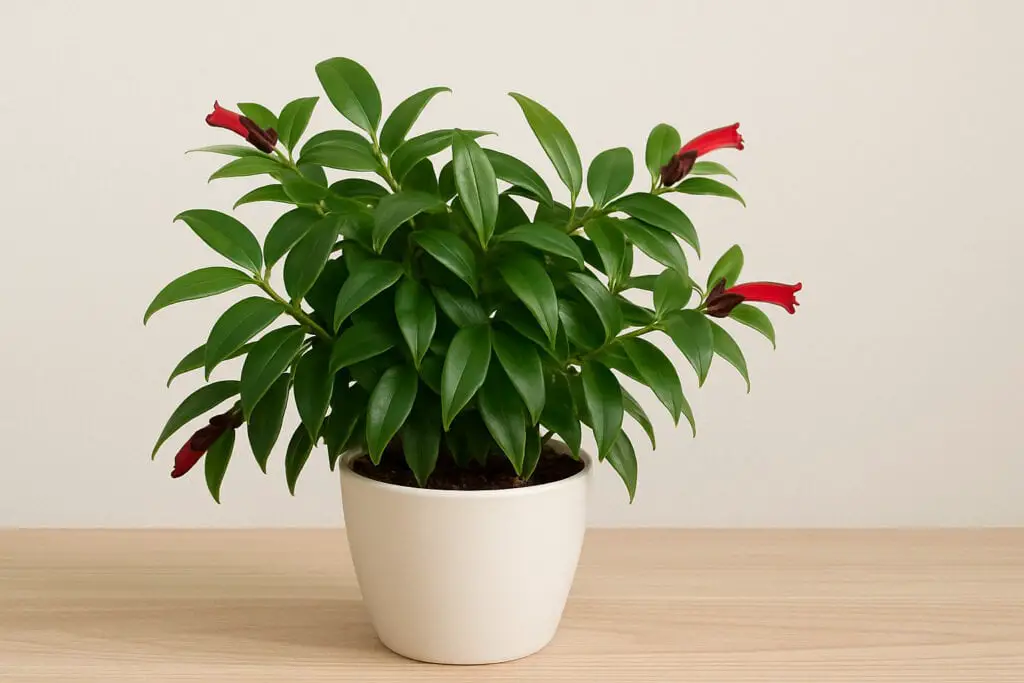
Discover how to grow lipstick plants from cuttings with easy, step‑by‑step guidance, ideal for beginners aiming to propagate vibrant Aeschynanthus radicans and enjoy lush new plants at home.
Introduction
Let’s dive into the world of lipstick plants, also known as Aeschynanthus radicans, famous for their glossy green leaves and showy tubular flowers.
If you’re a beginner eager to multiply your greenery, growing lipstick plants from cuttings is a fun, budget-friendly project that offers a beautiful payoff.
This article delivers:
- A detailed guide for each stage, from selecting your cutting to nurturing it post‑rooting.
- Tips based on gardening science, expert insights, and real experience.
- Answers to the most common questions and problems.
- Simple explanations and visuals to keep you motivated and informed.
Let’s get you started on your propagation adventure, with confidence, clarity, and a little creative green thumb!
Best Time To Take Lipstick Plant Cuttings
Take lipstick plant cuttings in spring or summer, when your Aeschynanthus is actively growing and the days are warm, to ensure strong, healthy roots and a smoother propagation journey.
Why Timing Matters
Spring and summer are ideal for propagation because your lipstick plant is in its prime growth phase, warm temperatures, longer daylight, and higher humidity all support root development. While cuttings can be taken year-round, rooting is often slow or fails during cold, low-light months.
Optimal Propagation Seasons
| Season | Conditions | Propagation Success |
| Spring | Days >65 °F, rising humidity & light | Excellent time for cuttings |
| Summer | Warm, humid, stable | Rapid rooting (4–6 weeks) |
| Autumn | Cooler, daylight decreasing | Possible but slower |
| Winter | Cold, low light | Not recommended; risk of rotting |
Advanced Tips
- Warmth accelerates rooting – aim for indoor temps around 70 °F (21 °C) or higher.
- Humidity helps – spring–summer season naturally provides higher humidity, but indoors, consider a humidity dome or regular misting.
Quick action checklist
- Wait until late spring or early summer
- Verify indoor temperature consistently over 65 °F
- Ensure bright, indirectly lit and humid environment
- Stick to 4–6-inch healthy green stems for best results
Preparing Lipstick Plant Cuttings for Propagation
To grow lipstick plants from cuttings successfully, start by choosing healthy stems with nodes, trimming them correctly, and removing lower leaves, this prep sets the stage for strong root development.
Choosing the Perfect Cutting
Before you propagate, selecting the right stem is key. For best results:
- Choose a 4–6 inch long stem from a healthy, mature lipstick plant.
- Look for stems with at least 2–3 leaf nodes (those small bumps where leaves or roots can grow).
- Avoid leggy, wilted, or flowering stems, they won’t root as well.
Pro tip: Semi-mature green stems (not too woody or too soft) strike the best balance for rooting success.
Step-by-step Cutting Preparation
Follow these beginner-friendly steps for prepping your lipstick plant cuttings:
- Use clean, sharp scissors or pruning shears
- Sterilize with rubbing alcohol to avoid fungal infections.
- Make a diagonal cut just below a leaf node
- This increases the surface area for root growth.
- Remove bottom leaves
- Strip off the leaves from the lower half of the cutting to keep them out of water or soil, which prevents rot.
- Optional: Let cuttings dry for 30–60 minutes
- Allowing them to callous over slightly helps reduce rot, especially if planting in soil.
Optional boost: Rooting Hormone
While not essential, dipping the cut end into a rooting hormone powder or gel can:
- Speed up rooting
- Increase the success rate
- Help avoid disease or mold in the early days
This is especially useful if you’re growing in soil or if your environment is less than ideal (low humidity, cooler temps).
Quick-prep visual table
| Step | Why It Matters |
| Select healthy stem | Only vigorous stems root well |
| Cut below leaf node | Maximizes root growth area |
| Remove lower leaves | Prevents rot in water or soil |
| Use rooting hormone (optional) | Boosts chances of faster, healthier roots |
Water Vs. Soil Propagation Methods For Lipstick Plant
Propagating lipstick plants in water offers fast visibility, while soil propagation supports stronger roots, choose the method that suits your environment and experience level.
Water Propagation: Beginner-Friendly and Visual
Water propagation is a popular method, especially for beginners who want to see the roots grow in real time.
Pros:
- Easy to monitor root growth
- Fewer materials required
- Less risk of overwatering or drying out
How to do it:
- Fill a clear jar or glass with room-temperature, non-chlorinated water.
- Place the cutting in water so that at least one node is submerged.
- Keep the jar in a bright, indirect light spot.
- Change the water every 3–5 days to prevent bacterial buildup.
- Roots typically appear in 2–4 weeks.
Pro tip: Once the roots are around 1–2 inches long, transplant your cutting into a potting mix.
Soil Propagation: Stronger Long-Term Growth
Soil propagation can take a little longer to see results but is great for long-term plant strength.
Pros:
- Cuttings don’t need to adapt to a different medium later
- Roots develop faster once started
- Ideal for humid environments or use with humidity domes
How to do it:
- Prepare a small pot with well-draining soil (cactus mix + perlite works great).
- Dip the cut end of your stem in rooting hormone (optional).
- Insert it into the soil, burying at least one node.
- Keep the pot in a warm, bright location with high humidity.
- Mist daily or cover with a plastic dome to trap moisture.
- Roots should form in 3–6 weeks.
Comparison Table
| Feature | Water Propagation | Soil Propagation |
| Visibility | Easy to see roots | Roots hidden in soil |
| Ease for beginners | Very beginner-friendly | Slightly more advanced |
| Risk of rot | Higher if not monitored | Lower with proper drainage |
| Root strength | Slightly weaker | Stronger root system |
| Transplant shock | Possible | Minimal |
Using Rooting Hormone On Lipstick Plant Cuttings
Applying rooting hormone to lipstick plant cuttings increases the chances of successful propagation by stimulating faster root growth and preventing rot, especially in soil propagation.
What is Rooting Hormone?
Rooting hormone is a naturally derived or synthetic compound that encourages root formation in plant cuttings.
It’s especially useful for plants like the lipstick plant (Aeschynanthus radicans), which can be a bit slow to root, particularly in soil.
It typically comes in three forms:
| Type | Description | Best For |
| Powder | Most common, easy to apply | Soil propagation |
| Gel | Clings to stem better | Precision application |
| Liquid | Good for dipping multiple cuttings | Large batches |
Benefits of Using Rooting Hormone
- Faster root development (roots can appear in as little as 10–14 days)
- Higher success rate, especially in dry or cooler conditions
- Reduced risk of cutting rot and fungal issues
- Stronger initial root structure for healthier long-term growth
Even though lipstick plants are fairly easy to propagate without it, using rooting hormone boosts your odds, especially when conditions aren’t ideal.
How to Apply Rooting Hormone (Powder Method)
- Trim your cutting just below a node (refer to previous section).
- Dip the wet end into the rooting hormone powder. Shake off excess.
- Insert the treated cutting directly into moist soil, don’t touch the hormone-coated end again.
- Mist the soil lightly and place it in a humid, warm area.
Tip: If using water propagation, rooting hormone is usually skipped, as it can cloud water and may not adhere well. But some growers use a gel form for a short-term water dip before switching to soil.
Things to Watch Out For
- Don’t use too much rooting hormone, it can actually inhibit rooting.
- Avoid contaminating the hormone container; pour a small amount into a dish instead.
- Replacing old hormones, it loses potency over time.
How Long Does Lipstick Plant Cutting Take To Root
Lipstick plant cuttings typically take 2 to 6 weeks to root, depending on the method used, temperature, humidity, and the health of the cutting. Warmer conditions and proper care speed up the process.
General rooting timeline
When you’re propagating a lipstick plant (Aeschynanthus radicans), patience is part of the process. The rooting time can vary slightly depending on whether you’re using water or soil, but here’s what you can expect:
| Propagation Method | Average Rooting Time | Notes |
| Water | 2–4 weeks | Roots are visible sooner |
| Soil | 3–6 weeks | Roots may grow stronger, but are not visible |
These timeframes assume you’re propagating in ideal conditions, a warm (65–75°F), bright, and humid environment.
Factors that Influence Rooting Speed
Several variables can affect how quickly your lipstick plant cuttings root:
- Temperature – Warm environments (65–80°F) promote faster root development. Cold slows things down.
- Humidity – Higher humidity levels (over 60%) keep cuttings hydrated and reduce transplant shock.
- Light – Bright, indirect light helps stimulate rooting without scorching tender stems.
- Cutting health – Only use healthy, pest-free stems for the best results.
- Propagation method – As covered earlier, water = faster visibility, soil = stronger root system.
Pro tip: Some growers use a heat mat under the propagation tray to boost rooting speed during cooler months.
Signs Your Cutting is Rooting
Whether in water or soil, these signs suggest your lipstick plant cutting is successfully developing roots:
- New leaf growth at the top of the cutting
- Resistance when you gently tug on the cutting (in soil)
- Visible white roots forming from the node (in water)
Once your roots are at least 1–2 inches long, you’re ready to move the cutting into its permanent pot.
Troubleshooting Slow Rooting
If it’s been over 6 weeks and there’s still no sign of roots:
- Check the temperature, if it’s under 65°F, try warming things up.
- Replace cloudy or stale water (for water propagation).
- Mist the soil more often or use a plastic dome to retain humidity.
- Double-check that the node is submerged or buried.
- Try adding a rooting hormone for extra help.
Aftercare: Transplanting Rooted Lipstick Plant Cuttings
Once your lipstick plant cuttings develop healthy roots, transplant them into a breathable pot with well-draining soil, and provide the right care to encourage vigorous new growth and long-term success.
When is it Time to Transplant?
Once your lipstick plant cutting has roots that are 1–2 inches long (typically after 2–6 weeks), it’s ready to move to its forever home. Transplanting too early can shock the cutting, while waiting too long in water can lead to rot.
Visual cue: In water, look for strong, white roots. In soil, look for resistance when gently tugged and new leaf growth at the top.
How to Transplant Successfully
Here’s a step-by-step guide to get your rooted cutting into soil safely:
- Choose a breathable container
- Go for a pot with drainage holes. A 3–4 inch nursery pot is ideal for starters.
- Use a well-draining potting mix
- Recommended mix: 2 parts peat moss or coco coir, 1 part perlite, and 1 part orchid bark or sand.
- Gently transfer the cutting
- If propagated in water, handle roots carefully to avoid breakage.
- If already rooted in soil, transplant with surrounding soil intact.
- Water lightly after transplanting
- Keep the soil lightly moist, not soggy, for the first 1–2 weeks.
- Place in bright, indirect light
- Avoid direct sunlight for the first few days to reduce stress.
Ongoing Care Tips
| Aftercare Task | Details |
| Watering | Let the top inch of soil dry out |
| Humidity | 50–60% humidity ideal |
| Light | Bright, indirect sunlight |
| Fertilizing | Wait 4–6 weeks, then use a diluted liquid houseplant fertilizer monthly |
Common Mistakes to Avoid
- Overwatering – Newly transplanted roots are delicate and prone to rot.
- Too much sun – Direct light can scorch tender new growth.
- Poor drainage – Make sure your pot and soil mix allow water to escape easily.
Common problems when growing lipstick plant from cuttings
When growing lipstick plants from cuttings, beginners may face issues like stem rot, leaf drop, or mold, most of which can be prevented with proper hygiene, humidity, and light. Learn how to identify and fix these problems quickly.
Typical Beginner Mistakes (and how to fix them)
Lipstick plants are generally easy to propagate, but even seasoned plant lovers run into issues now and then. Let’s explore the most common problems and how to correct them:
1) Stem Rot
Symptoms: Mushy, blackened stems; foul smell
Cause: Overwatering, poor drainage, dirty tools
Fix:
- Trim away rotting sections immediately.
- Re-cut above the rot and restart the propagation process.
- Improve air circulation and avoid waterlogged soil or dirty containers.
Tip: Always use sterilized scissors and clean jars or pots to reduce fungal risk.
2. Leaf Drop or Yellowing
Symptoms: Leaves falling off or turning yellow soon after cutting
Cause: Low humidity, sudden light change, or transplant shock
Fix:
- Move your cutting to a more humid space (use a clear plastic bag as a mini greenhouse).
- Ensure it’s getting bright, indirect light, not direct sun.
- Don’t fertilize too early, wait until the plant is established.
3. Mold or Fungal Growth
Symptoms: White fuzz on soil or stem, slimy residue in water
Cause: Stagnant water, poor airflow, high humidity without balance
Fix:
- Change propagation water every 3–4 days.
- Add a pinch of cinnamon (a natural antifungal) to soil or water.
- Increase airflow or reduce humidity if mold keeps returning.
4. No Rooting After 4–6 Weeks
Symptoms: Cutting stays green but shows no roots
Cause: Insufficient warmth or light; unhealthy stem
Fix:
- Place cutting in a warmer spot (ideally 70–80°F).
- Use rooting hormones to boost performance.
- Start over with a fresher, healthier stem if progress stalls.
Quick Diagnostic Chart
| Problem | Cause | Solution |
| Stem rot | Excess moisture, contamination | Trim rot, clean tools, re-root |
| Leaf drop/yellowing | Shock, low humidity | Improve humidity, steady light |
| Mold growth | Poor airflow, stagnant conditions | Clean environment, antifungals |
| No roots forming | Weak stem, low temps/light | Add warmth, try rooting hormone |
Lipstick Plant Propagation Tips and Troubleshooting
Boost your success with lipstick plant cuttings using expert propagation tips, like using humidity domes, rooting hormone, and ideal stem selection, and troubleshoot common issues with confidence and ease.
Pro tips for better propagation success
Even if you’re new to gardening, a few expert-backed tricks can give you a head start and minimize failure. Here’s what experienced indoor growers consistently recommend:
1. Use a Humidity Dome or Bag
A clear plastic bag, dome, or cloche over your cuttings helps maintain high humidity, especially in dry environments. This:
- Prevents leaf loss
- Keeps cuttings hydrated
- Encourages faster rooting
Tip: Make sure the bag doesn’t touch the leaves and vent it every day to prevent mold.
2. Always Cut Below a Node
That little bump on the stem (the node) is where roots develop. Make a clean, slanted cut just below it for maximum rooting potential.
3. Propagate in Small Batches
If you’re taking multiple cuttings, do at least 3–5. Some may fail, but you’ll increase your odds of success overall, and have more plants to keep or share.
4. Maintain Steady Warmth
Keep your cuttings in a consistently warm spot (65–80°F). Fluctuations in temperature can stall or kill root development.
Consider using a seedling heat mat if your space is drafty or cool.
5. Label your Cuttings
If you’re experimenting with different methods (e.g., one in water, one in soil, with or without hormone), label them! You’ll learn what works best in your environment.
Troubleshooting cheat sheet
| Issue | Quick Fix |
| Cutting wilting | Increase humidity or mist more frequently |
| Roots forming slowly | Add heat and light, use rooting hormone |
| Cutting rotting | Recut above rot, let dry, start again |
| Mold forming in water/soil | Change water, improve airflow |
| Cutting falls over in soil | Use a stake or anchor with a pebble |
Bonus tip: Combine Methods
Some gardeners start cuttings in water, then transfer to soil once roots form. Others prefer direct soil propagation for stronger roots and less transplant shock. Try both to find your favorite.
FAQs: Growing Lipstick Plant from Cuttings
Get quick answers to the most frequently asked questions about growing lipstick plants from cuttings, from watering tips to rooting timeframes and the best propagation methods.
Frequently Asked Questions
Here’s a roundup of common questions beginners ask when propagating lipstick plants (Aeschynanthus radicans). Whether you’re new to plant parenting or troubleshooting your latest propagation attempt, these quick answers will guide you.
Q1: Can I root lipstick plant cuttings in just water?
A: Absolutely! Water propagation is beginner-friendly, and you’ll see roots forming in 2–4 weeks. Just make sure to change the water every few days to keep it fresh and bacteria-free.
Q2: What’s the best soil for planting lipstick cuttings?
A: Use a light, well-draining mix. A blend of peat moss or coco coir, perlite, and orchid bark (or sand) provides great airflow and moisture balance.
Q3: Do I need rooting hormone for success?
A: It’s optional but helpful, especially in soil. Rooting hormone can speed up root growth and increase your success rate, especially in cooler seasons or low-humidity environments.
Q4: How long does it take for a lipstick plant to cut to root?
A: Usually between 2–6 weeks, depending on conditions like temperature, humidity, and whether you’re using water or soil.
Q5: Why are my cuttings turning yellow or mushy?
A: This could be from overwatering, too little light, or rot. Make sure you’re using clean tools, avoiding soggy soil, and placing your cuttings in bright, indirect light.
Q6: Can I propagate from just one leaf?
A: No, unlike some succulents, lipstick plants require a stem cutting with at least one node to successfully root and grow.
Q7: What’s the best time of year to propagate?
A: Spring and summer are ideal, when the plant is actively growing and light conditions are better. Avoid cold, low-light seasons like winter unless you have supplemental grow lights and a warm space.
Q8: Should I mist the cuttings?
A: Yes! Light misting boosts humidity, which is key for healthy rooting. Just don’t soak the leaves or soil to the point of sogginess.
Q9: How do I know when it’s time to transplant?
A: When roots are at least 1–2 inches long (in water) or when new growth appears on top (in soil), your cutting is ready to move into its permanent pot.
Q10: Can lipstick plants grow from a broken stem?
A: If the break includes a node and the stem is still healthy, yes! Give it a try in water or soil after trimming the damaged end cleanly.
Propagating lipstick plants is a fun, rewarding project. With the right prep, a little patience, and some humidity magic, you’ll be on your way to growing lush trailing vines in no time.
Final Thoughts
Propagating your lipstick plant from cuttings is not only rewarding but surprisingly simple with the right approach.
Spring and summer provide the best rooting conditions, and a little preparation, like clean tools, healthy stems, and optional rooting hormone, can greatly boost your success rate.
Water or soil methods both work well:
- Water propagation lets you see roots develop in just 2–4 weeks, offering a gratifying visual of growth.
- Soil propagation, especially with added hormone and humidity dome, produces strong, resilient root systems within a month or less .
This highlights how a humidity-rich environment, coupled with clean technique and optional hormones, makes a big difference in rooting success.
While sometimes lipstick plant cuttings surprise you by flowering even in water, blooming isn’t guaranteed right away. Mature, well-cared-for plants, supported by balanced NPK fertilizers, are more likely to flower over time .
Key Takeaways for Your Readers
- Choose the ideal season – spring/summer warmth and light encourage rapid rooting.
- Prep matters – sterile tools, proper stems, and optional rooting hormone boost outcomes.
- Method flexibility – start in water for visibility, switch to soil for durability.
- Maintain humidity – use domes, moss, or bags to keep moisture high.
- Be patient and observant – roots take 2–6 weeks; new growth and gentle tugs signal readiness.
- Celebrate branching and blooms – many cuttings produce multiple vines; flowering may follow with age and proper nutrition.
Your Green Thumbs Await
Whether you’re a beginner or have tried growing lipstick plants before, following this propagation path will increase your chances of success, each cutting stands as a testament to your care and dedication.
Soon, your home will be adorned with lush hanging vines and vibrant blooms, all started from a single stem.
Happy propagating, and remember, every rooted cutting is a step closer to a fuller, more beautiful collection!
Mariel is a plant enthusiast and writer based in the UK with a passion for houseplants and indoor growing.
She has spent the last few years building an ever-growing collection of indoor plants and learning the hard way which ones will survive her busy schedule.
At Bean Growing she writes about houseplant care, common plant problems, and outdoor gardening.