
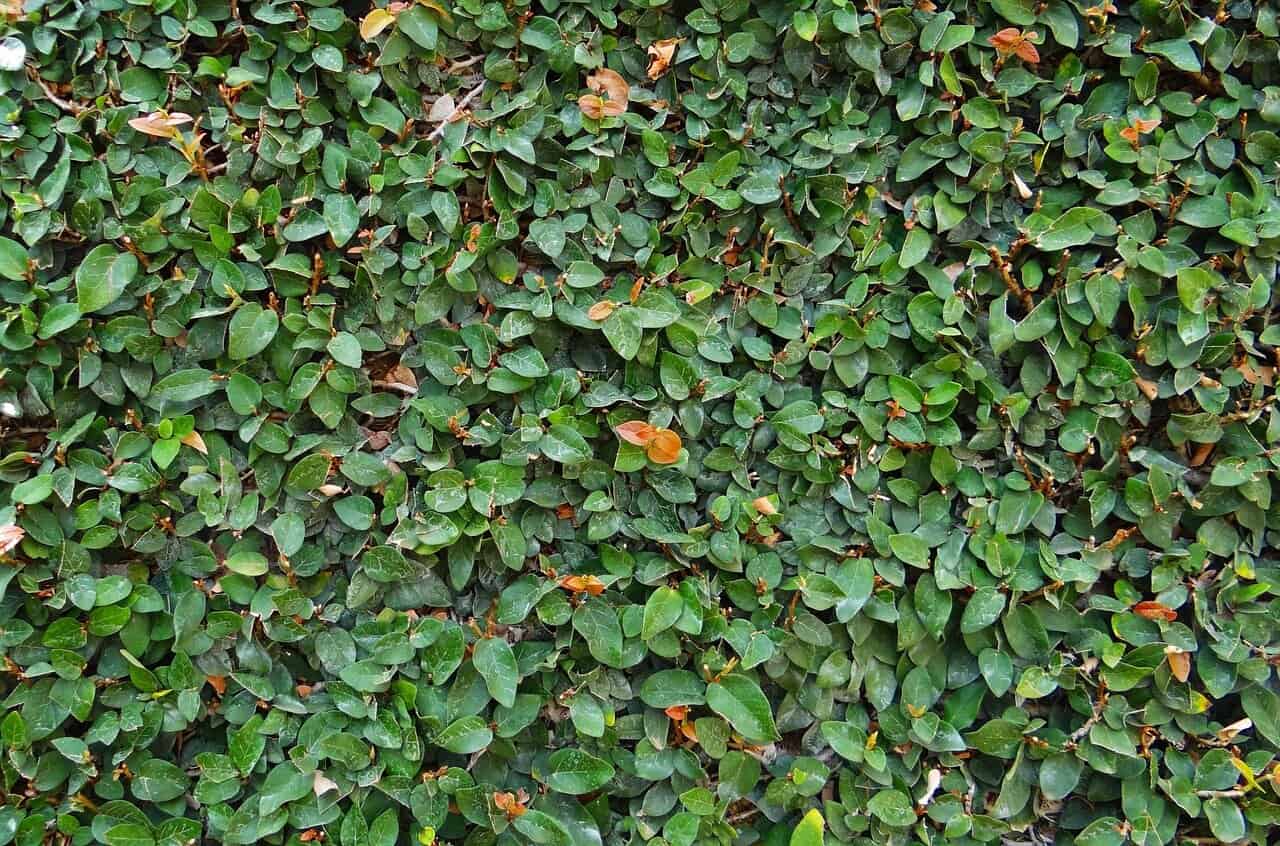
Curious if a creeping fig needs a trellis? While this vigorous vine will cling to walls on its own, using a trellis offers control, protects surfaces, and guides growth, making it ideal for beginners.
Introduction
When someone asks, “does creeping fig need a trellis?” The answer is both insightful and reassuring: no, not strictly, because creeping fig can climb pretty much anything, walls, fences, rocks, thanks to its adhesive aerial rootlets.
But here’s the twist: adding a trellis is often your best friend.
Why Creeping Fig Clings Naturally
Creeping fig (Ficus pumila) uses tiny, sticky aerial roots to attach itself firmly, think of them as nature’s own adhesive. This means it does not require a trellis or plant support to climb, but that doesn’t tell the whole story.
Imagine giving this vine a blank wall: it will happily spread, cling, and cover, but sometimes a little direction can save you future headaches.
Why a Trellis Is a Smart Choice
Here’s why savvy gardeners, especially beginners, often do use a trellis:
- Surface Protection
Those powerful adhesives on the vine’s rootlets can damage mortar, wood, stucco, or painted surfaces over time. - Control & Structure
A trellis lets you guide the vine where you want it to grow, helpful when you’re planning patterns, topiaries, or just neat coverage. - Easier Maintenance
Without a trellis, trimming or removing the vine can be a nightmare, even a trellis is easier to manage than gnarly wall-root contact. - Beginner-Friendly
If you’re new to gardening, using a trellis creates a visually intuitive and low-risk way to manage this enthusiastic grower.
Summary
- No, creeping fig doesn’t need a trellis, it clings naturally.
- Yes, using a trellis brings control, protects surfaces, and makes maintenance a breeze.
How Does Creeping Fig Attach: Aerial roots, Adhesive pads and What that Means for Structures
Creeping fig attaches using aerial roots with adhesive pads, gripping tightly to walls, fences, and trellises.
This strong hold makes it a reliable climber but can damage certain surfaces, so understanding its attachment method helps gardeners choose the right support.
Nature’s Built-In Climbing Gear
Creeping fig (Ficus pumila) is equipped with a fascinating climbing system: aerial roots that grow from the stem nodes.
At the tip of each root, a specialized adhesive pad secretes a sticky substance, allowing it to bond securely to a wide range of surfaces, brick, stone, wood, even metal.
Think of these roots like little suction-cup tentacles, except instead of air pressure, they use plant chemistry to create a long-lasting grip.
How This Affects Where It Grows
- On a Trellis
The pads latch onto thin wires, wood lattice, or metal frames, climbing quickly with minimal training. - On a Wall
The adhesive penetrates tiny crevices, which can be a blessing for fast coverage, or a curse if you ever try to remove it. - On Trees
It uses bark texture for grip, but can sometimes compete for light and resources.
Benefits of the Attachment Method
- No Need for Twining or Tendrils – Unlike peas or morning glories, creeping fig doesn’t have to wrap around something; it simply sticks and keeps going.
- Strong & Wind-Resistant – Its grip helps it stay put even during strong winds, making it an ideal choice for outdoor vertical gardening.
- Self-Supporting – For beginners, the fact that it doesn’t require constant tying or training is a major advantage.
Potential Drawbacks for Structures
| Surface | Risk Level | Notes |
| Brick & Mortar | High | Can weaken mortar over time when removed. |
| Painted Surfaces | High | Paint often peels off with the roots. |
| Wood | Medium | Can trap moisture, leading to rot. |
| Metal Trellis | Low | Safe, but may require occasional pruning to prevent tangling. |
Key Takeaway for Gardeners
Understanding the aerial root system is the first step in choosing the right climbing surface. If you want the lush, green wall effect without risking your siding or paint, consider using a trellis or freestanding frame.
Trellis vs Free-Climbing: When to Use a Trellis for Creeping Fig (Pros & Cons)
Choosing between a trellis and free-climbing for creeping fig depends on your goals. A trellis offers control and surface protection, while free-climbing gives faster coverage.
Weigh the pros and cons to decide which method best suits your garden and maintenance style.
Why This Decision Matters
Creeping fig is an adaptable climber, but your choice of support, or lack of it, will determine how easy it is to manage, how quickly it grows, and whether you’ll be cursing or celebrating it in five years.
Pros & Cons of a Trellis Setup
| Pros | Cons |
| Protects walls and siding from root damage | Slightly slower coverage compared to direct wall climbing |
| Allows for easy shaping and pruning | Requires installation cost and effort |
| Can be moved or replaced if needed | May need stronger anchoring for large, mature plants |
| Works indoors and outdoors | Needs occasional cleaning to prevent tangles |
Pros & Cons of Free-Climbing on Walls or Fences
| Pros | Cons |
| Very fast coverage | Can damage brick, mortar, stucco, or paint |
| Natural “green wall” look | Removal is labor-intensive |
| Minimal setup needed | Harder to control growth and spread |
| Good for large, permanent surfaces | May trap moisture against some materials |
When to Choose a Trellis
- You’re renting or don’t want permanent plant marks on your walls.
- You want a controlled, decorative pattern (like diamond or fan shapes).
- You plan to grow creeping fig indoors or in small outdoor spaces.
When to Let It Free-Climb
- You own the property and want maximum coverage fast.
- The surface is durable (like old brick or stone) and you’re not worried about removal.
- You’re aiming for a dense, natural-looking living wall.
Pro Tip: If you’re on the fence, you can start with a trellis and later let some growth spill over onto other surfaces once you’re comfortable with the plant’s pace and habits.
Will Creeping Fig Damage Walls, Mortar or Wooden Siding?
Creeping fig’s adhesive roots can damage walls, mortar, and wooden siding over time.
While beautiful, its strong grip can lift paint, weaken mortar, and trap moisture in wood. Knowing the risks helps you choose the right surface or use a trellis for safer growth.
Understanding the Risk
Creeping fig doesn’t just “lean” on a wall, it locks in place. Its aerial roots secrete a glue-like substance that penetrates tiny cracks and textures.
Over the years, this bond can cause both cosmetic and structural damage if the plant is removed or left unmanaged.
How It Affects Different Surfaces
| Surface | Damage Potential | Why It Happens |
| Brick & Mortar | High | Roots work into mortar gaps; removing them can crumble the joint. |
| Painted Surfaces | High | Adhesive tears paint away; repainting is often required. |
| Stucco | High | Adhesive pulls off layers, leaving visible scars. |
| Wooden Siding | Medium to High | Moisture trapped under vines can cause rot or warping. |
| Metal or PVC | Low | Vines can’t penetrate but may tangle and block airflow. |
Short-Term vs. Long-Term Impact
- Short-Term (1–3 Years) – Minimal damage if managed and pruned regularly.
- Long-Term (5+ Years) – Increased risk of deterioration, especially in humid climates where moisture buildup is more persistent.
How to Minimize Damage Risks
- Use a freestanding trellis or frame in front of your wall.
- Choose non-porous, durable surfaces if planting directly.
- Keep vines pruned to reduce heavy buildup and allow air circulation.
- Regularly inspect and gently remove small new shoots before they harden.
Pro Tip: If you already have creeping fig on a wall you want to protect, you can transition it to a trellis by slowly cutting back wall growth while guiding new shoots toward the support.
Best Trellis Types and Installation Tips for Creeping Fig (Materials, Spacing, Anchoring)
The best trellis for creeping fig combines durability, good spacing, and secure anchoring. Metal, wood, or wire supports each have unique benefits.
Installing the right trellis ensures healthy growth, easy maintenance, and beautiful coverage without risking damage to walls or other structures.
Choosing the Right Trellis Material
| Material | Pros | Cons | Best For |
| Metal (steel, aluminum) | Long-lasting, strong, weather-resistant | Can heat up in sun; heavier to install | Outdoor permanent displays |
| Wood (cedar, redwood) | Natural look, easy to cut/shape | May rot without sealing; needs upkeep | Rustic or garden-themed spaces |
| Vinyl/PVC | Low maintenance, lightweight | Less sturdy for heavy growth | Small indoor or patio projects |
| Wire or Cable | Minimalist, flexible designs | Needs strong anchor points | Modern, architectural looks |
Ideal Spacing for Creeping Fig
- Between slats or wires: 4–6 inches apart for even coverage.
- From wall to trellis: 2–4 inches to allow airflow and prevent wall damage.
- Plant spacing at base: 18–24 inches apart for dense growth without overcrowding.
Anchoring Tips
- Wall-mounted trellises: Use masonry anchors for brick/concrete; heavy-duty screws for wood.
- Freestanding frames: Secure posts 12–18 inches into the ground or in weighted planters.
- Indoor trellises: Use stable pots with heavy bases to prevent tipping.
Installation Step-by-Step for Beginners
- Measure your space – Know your height, width, and wall type before buying.
- Mark anchor points – Keep lines straight for a neat look.
- Attach your trellis securely – Avoid flimsy fasteners; creeping fig becomes heavy over time.
- Plant at the base – Space plants evenly, angling shoots toward the trellis.
- Guide new growth – Gently tie young stems with soft ties until they self-attach.
Pro Tip: If you want the lush “green wall” effect without damaging siding, go for a metal or wire trellis set a few inches away from the wall, it gives the illusion of direct climbing but with none of the risk.
How to Train and Prune Creeping Fig on a Trellis or Wall (step-by-step)
Training and pruning creeping fig keeps it neat, healthy, and manageable.
By guiding young shoots, trimming excess growth, and shaping the vine regularly, you can achieve beautiful coverage on a trellis or wall without letting it overrun your space or damage surfaces.
Why Training and Pruning Matter
Creeping fig grows quickly and can overwhelm both supports and nearby plants if left unchecked.
Proper training early on ensures orderly growth, while pruning keeps your plant healthy and prevents it from becoming invasive or damaging its support structure.
Step-by-Step Training Guide
- Start Early
Train creeping fig while stems are young and flexible, this is when they’re easiest to direct. - Guide to the Support
Use soft garden ties or twine to gently secure stems to your trellis or chosen path on a wall. - Encourage Even Coverage
Space stems evenly and redirect any strays to fill bare spots. - Remove Misplaced Shoots
Snip or pinch off shoots growing in unwanted directions to maintain shape.
Pruning for Health and Shape
| When to Prune | Why |
| Late winter or early spring | Encourages vigorous new growth |
| Mid-summer touch-ups | Controls overgrowth and maintains form |
| After flowering (if outdoors) | Keeps vine tidy without disrupting bloom cycle |
Pruning Tips:
- Use sharp, clean shears to avoid tearing stems.
- Cut just above a leaf node to encourage branching.
- Remove any dead or diseased stems immediately.
Special Considerations for Walls vs. Trellises
- On Trellis: Easier to prune without risking damage to surfaces, simply untie or trim at anchor points.
- On Wall: Be cautious, roots may have bonded firmly. Cut stems close to the wall but don’t yank them free if you want to avoid surface damage.
Pro Tip: For a lush, dense look, prune lightly but often. Frequent small trims stimulate branching and make your creeping fig look fuller without stressing the plant.
Indoor Creeping Fig: Using a Small Trellis, Moss Pole, or Letting it Trail
Indoor creeping fig thrives with creative supports like small trellises, moss poles, or simply trailing from shelves.
Choosing the right method depends on your space, style, and care routine, ensuring healthy growth and a beautiful display in your home.
Why Grow Creeping Fig Indoors?
Creeping fig isn’t just an outdoor wall-cloaking machine, it can also shine indoors. Compact varieties and variegated cultivars bring a touch of lush greenery to small apartments, home offices, and indoor plant collections.
Choosing the Right Indoor Support
| Support Type | Best For | Pros | Cons |
| Small Trellis | Decorative vertical displays | Keeps growth compact; easy to prune | Takes up pot space |
| Moss Pole | Natural look and moisture support | Encourages aerial root attachment | Needs rehydration to stay damp |
| Trailing | Hanging baskets, shelves | Low-maintenance, free-form look | Less controlled growth pattern |
Lighting & Environment Needs Indoors
- Light: Bright, indirect light is best; direct sun can scorch leaves.
- Humidity: Loves moderate to high humidity, consider a humidifier or pebble tray.
- Temperature: Thrives between 60–85°F, making it perfect for most indoor climates.
Indoor Care & Training Tips
- Start with a Healthy Plant – Young, flexible vines adapt faster to indoor supports.
- Guide Growth Early – Wrap or clip stems gently around trellis rungs or moss poles.
- Prune for Shape – Indoor plants benefit from frequent light trimming to stay neat.
- Mind the Pot Size – Creeping fig can become root-bound quickly; repot every 1–2 years.
Pro Tip: If you love the cascading look, skip the trellis and let your creeping fig trail from a high shelf. It’s low effort and creates a beautiful, waterfall-like effect.
Planting, Spacing and Establishment: Do Young Plants Need Trellises to Start?
Young creeping fig plants establish faster with proper planting, spacing, and early support.
While they can cling naturally, using a small trellis or guide during the first year ensures even coverage, healthier roots, and a controlled growth pattern from the start.
Starting Off Strong
Creeping fig grows fast once established, but the first year is all about building a healthy root system. Giving your young plant the right start ensures you’ll get dense, vibrant coverage without messy, uneven patches later.
Planting Basics
- Soil: Well-draining, slightly acidic to neutral (pH 6.0–7.0).
- Hole Depth: Twice as wide and just as deep as the root ball.
- Watering: Keep soil evenly moist (but never soggy) for the first 3–4 months.
- Mulching: A 2–3 inch layer helps retain moisture and suppress weeds.
Spacing for Success
| Planting Situation | Recommended Spacing |
| Along a wall/trellis | 18–24 inches apart |
| As groundcover | 12–18 inches apart |
| Indoor containers | 1 plant per 8–10 inch pot |
Proper spacing prevents overcrowding, reduces pest problems, and promotes airflow for healthier vines.
Do Young Plants Need a Trellis?
- Yes, if you want directed, controlled growth from the start. A trellis or small frame makes training easier and avoids random wall adhesion.
- No, if you’re planting directly onto a large, durable surface and don’t mind natural, freeform growth.
Tip: Even if you plan on free-climbing later, starting with a trellis for the first year gives your plant structure and can prevent early tangling.
Establishment Timeline
- Months 1–3: Root development and slow top growth.
- Months 4–6: Noticeable upward or outward spread; begin gentle training.
- Months 7–12: Accelerated coverage, pruning may already be necessary.
Pro Tip: Patience pays. Creeping fig’s first season may feel slow, but once established, it can grow 2–4 feet per year under the right conditions.
Propagation and Using Trellis Support for New Cuttings
Propagate creeping fig easily from cuttings and train them using a small trellis.
This helps your new plants establish quickly, ensures healthy attachment, and creates a seamless, lush look, whether you’re multiplying plants for your garden or sharing with friends.
Why Propagate Creeping Fig?
Propagation is a fun, cost-effective way to expand your creeping fig collection, and share lush green beauty with fellow plant lovers.
Starting new cuttings allows you to sculpt fresh growth precisely where you want it, and gives you full control over early support and training for a picture-perfect finish.
Step-by-Step Propagation Guide
- Take Healthy Cuttings
- Snip 4–6-inch stem cuttings from vigorous, disease-free parent plants.
- Remove the bottom 2 inches of leaves to expose the nodes, those are where roots will emerge.
- Prepare the Cuttings
- Optionally, dip the cut end into rooting hormone to boost success rate (especially helpful for newcomers).
- Plant in a pot filled with a mix of peat-based potting soil and perlite or vermiculite for good drainage.
- Set Up for Success
- Keep the soil consistently moist (not soaked).
- Cover the pot loosely with plastic wrap or place it in a mini greenhouse to maintain humidity, crucial for root formation.
- Place in bright, indirect light (avoid harsh direct sun that can scorch young cuttings).
- Monitor Rooting
- Roots typically appear in 3–6 weeks. Tug gently: resistance indicates root development.
- Once rooted, transplant cuttings into individual pots or directly near your trellis.
Using Trellis Support for Your New Plants
- Train Early: As soon as roots develop, place a mini trellis, or even a small skewered stick, in each pot and gently guide the cutting toward it.
- Secure Lightly: Use soft ties or plant clips to attach stems to the support, don’t overtighten; these are delicate plants.
- Encourage Attachment: Within a few weeks, new aerial roots will form and cling to the trellis naturally. This gives your plant a head start on structured, lush growth.
Troubleshooting Tips
| Issue | Solution |
| Cuttings rotting | Ensure good drainage, reduce humidity or allow more airflow |
| No rooting after 6 weeks | Try a fresh cutting, ensure at least one node is buried |
| Weak, leggy growth | Increase indirect light and trim tips to encourage branching |
| Support too heavy | Use lighter trellis options (e.g., bamboo or wire) to ease stress on young roots |
Pro Tip: Start a small tray of cuttings in spring or early summer for ideal rooting conditions. Once established, transplant them near an existing trellis or mount mini trellises in a row for a fast-growing, green-screen effect.
Maintenance: Pruning, Pests, Removal, and Alternatives to a Trellis
Maintaining a creeping fig means regular pruning, pest control, and knowing how to remove or redirect growth.
If a trellis isn’t your style, you can use wires, frames, or let it sprawl as groundcover. Here’s how to keep your plant thriving without taking over.
Pruning for Health and Shape
Creeping fig grows quickly and can easily become unruly if left unchecked.
- Frequency: Lightly prune every 4–6 weeks during the growing season (spring–early fall).
- Tools: Use sharp, clean pruning shears to avoid plant injury.
- Method: Cut back overextended vines to maintain shape and encourage fuller, bushier growth.
- Tip: Wear gloves, older stems can become woody and scratchy.
Pro Tip: For wall-trained plants, prune back any vines that stray beyond your desired shape before they attach to unwanted surfaces.
Pest Watch: Common Issues and Solutions
Although creeping fig is hardy, it can sometimes attract pests:
| Pest | Signs | Treatment |
| Spider mites | Fine webbing, yellow speckles on leaves | Spray with water to dislodge; treat with neem oil |
| Mealybugs | White cottony clusters on stems | Dab with rubbing alcohol on cotton swab |
| Scale insects | Brown or black bumps on stems | Scrape gently and apply horticultural oil |
Note: Regularly misting foliage helps discourage spider mites in dry climates.
Removing Unwanted Vines
If your creeping fig becomes invasive or attaches to areas you don’t want covered:
- Cut vines at the base to stop nutrient flow.
- Gently peel off fresh, green vines.
- For older, woody vines, let them dry for a week before removal, they detach more easily.
- Use a soft-bristle brush to remove any remaining aerial root marks from surfaces.
Caution: Avoid pulling aggressively, this can damage walls or fences.
Alternatives to a Trellis
If you want to enjoy creeping fig’s charm without a bulky trellis, try:
- Wires: Stretch horizontal or vertical wires for a sleek, minimalist climbing surface.
- Frames: Metal or wooden frames allow you to create living “plant art.”
- Groundcover: Skip vertical support entirely and let creeping fig form a dense, low-maintenance mat across the ground, great for erosion control.
Key Takeaway: With regular pruning, vigilant pest management, and creative support options, you can enjoy creeping fig’s beauty while keeping it in check and tailored to your space.
Final Thoughts
Creeping fig is a remarkably self-sufficient climber: its stems develop tiny aerial roots that let it stick to walls, fences, and many other surfaces without a trellis, so a support structure isn’t strictly required.
That natural cling is also the plant’s trade-off, those adhesive rootlets can pull on paint, get into mortar and stucco, and make removal difficult, so planting directly on delicate or historic surfaces carries real risk.
For most home gardeners the best compromise is practical and simple: use a trellis, wire system, or freestanding frame a few inches from the wall.
This gives you the lush, green look you want while protecting siding, making pruning and removal far easier, and allowing you to shape the plant predictably as it matures.
Indoors or in tight spaces, small trellises, moss poles, or letting the vine trail from a shelf are excellent options, they keep growth under control and match different design goals without risking structural damage.
For outdoor living walls on hard, durable surfaces (old brick or stone) some gardeners do allow direct adhesion, but know that long-term maintenance and removal will be harder.
Bottom line: if you value control, surface protection, and easier maintenance, start with a trellis.
If you own durable masonry and want fast, full coverage and don’t mind the permanence, free-climbing can be beautiful, just be prepared for more work if you ever need to remove it.
Plant carefully, prune regularly, and you’ll enjoy a thriving, attractive creeping fig that fits your space and lifestyle.
Mariel is a plant enthusiast and writer based in the UK with a passion for houseplants and indoor growing.
She has spent the last few years building an ever-growing collection of indoor plants and learning the hard way which ones will survive her busy schedule.
At Bean Growing she writes about houseplant care, common plant problems, and outdoor gardening.