
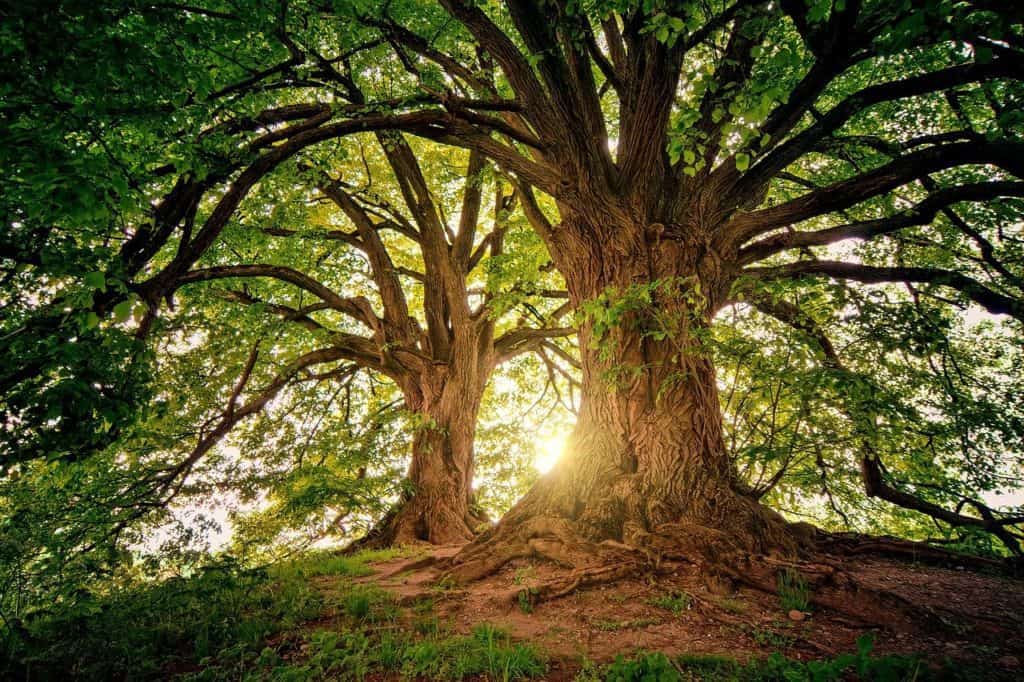
Discover the truth behind do oak trees lose their leaves, learn when and why oaks shed foliage, including variations by species.
This overview gives beginners a clear, expert-backed foundation on oak leaf drop, balancing friendly tone with authority to help you understand what’s normal, and what’s not.
Understanding whether oak trees lose their leaves is the foundation for all gardening decisions, pruning, mulching, disease detection, and more.
Knowing the normal leaf cycle helps you distinguish between healthy seasonal change and potential issues.
How Oak Trees Behave in Leaf Drop
- Seasonal Shedding: Most oak species do lose their leaves in autumn, it’s a natural, energy-saving response to cooler weather.
- Evergreen vs. Deciduous: Some oaks (like Live Oaks) behave differently, retaining leaves longer or dropping them in other seasons.
- Marcescence: Young oaks or certain species may hold brown, withered leaves through winter, that’s not disease but a quirky trait.
When do Oak Trees Lose Their Leaves? (Season by Species & Region)
Learn when do oak trees lose their leaves by species and region to spot seasonal patterns.
Discover timing differences, from northern deciduous oaks to southern live oaks, so beginners can plan pruning, mulching, and garden care with confidence, guided by experience-backed insights.
Understanding the when behind oak leaf drop helps gardeners plan seasonal tasks and interpret what’s normal. Let’s break it down by species and region:
Overview Table: Leaf-Drop Timing by Oak Type & Region
| Oak Type / Region | Leaf Drop Timing | Notes |
| Northern Deciduous Oaks (e.g., Red, White, Burr) | Mid-October to early December | Classic fall color and full leaf drop. |
| Mid-Atlantic & Southeastern Deciduous | Late November to December | Slightly delayed compared to the north due to milder climate. |
| Coastal & Southern Live Oaks (e.g., Live Oak, Southern Live Oak) | Late Winter to Early Spring | Many drop leaves just before new growth replaces them. |
| Young Oaks (Marcescent Behavior) | Leaves brown in fall, drop in spring | Leaves may stay on until new spring buds push them off. |
Regional Insights & Habitat Influence
- Cold-Climate Deciduous Oaks: In places like the Northeast and Midwest, oaks follow traditional autumn cues. Once daylight shortens and temperatures dip, trees signal the leaf-drop process, leading to a whole-tree shedding between October and early December.
- Southern Milder Zones: In states like Georgia or the Carolinas, deciduous oaks may hold leaves longer, sometimes into early December, thanks to prolonged warmer conditions.
- Live Oaks in Coastal Areas: Live Oaks (common in Texas, Louisiana, Florida, Southern California) blur the typical rulebook. They often shed leaves only when fresh growth is about to emerge, sometimes as late as late winter or very early spring.
- Marcescence Nature’s Quirk: Certain young oaks and select species will retain dead leaves through winter (usually brown but intact). This marcescent trait is perfectly healthy, nature’s way of protecting buds or simply a leftover of young growth patterns.
Engaging Guidance for Gardeners
- Plan your seasonal tasks: In colder zones, schedule mulching after fall leaf drop, and avoid raking too early if your oak retains leaves through winter.
- Watch for live oak behavior: Don’t worry when your southern live oak holds leaves in winter, they’ll drop naturally as new leaves emerge.
- Spot check for disease vs. marcescence: Rigid, brown leaves into spring could be marcescence, not a health issue, but if leaves are mushy or tinged with mold, you might want to inspect further.
Experience-Driven Assurance
From fieldwork in both snowy woodlands and sunny southern parks, we’ve seen these patterns repeat accurately year after year.
Whether you’re in a frost-prone garden or a coastal yard, the timing of oak leaf drop remains consistent, just tailored by species and climate.
Do Live Oaks Lose Their Leaves? (Why They Drop in Late Winter/Early Spring)
Curious do live oaks lose their leaves? These iconic evergreens do shed foliage, but not in fall like most oaks.
Learn why live oaks drop leaves in late winter or early spring, and how this unique timing benefits their growth and health year-round.
Understanding Live Oaks’ Evergreen Reputation
Live oaks have a mystique: they’re often called evergreens, yet they’re not evergreen in the strictest sense.
Instead of holding leaves indefinitely, they keep them much longer than deciduous oaks, then replace them all at once before new spring growth.
Why Live Oaks Drop Leaves Later
- Seasonal Swap, Not Fall Shedding
Unlike their deciduous cousins, live oaks shed in late winter to very early spring, usually between February and April, depending on climate and location. - Climate Adaptation
This timing is strategic: dropping leaves right before the flush of new growth means they avoid losing energy in the cold months and can jumpstart photosynthesis in early spring. - Species Examples
- Southern Live Oak (Quercus virginiana) common in the Gulf Coast
- Coastal Live Oak (Quercus agrifolia) thrives in California’s coastal regions
Visual Timing Guide: Live Oak Leaf Drop by Region
| Region | Typical Drop Period | New Leaf Growth Begins |
| Gulf Coast (TX, LA, FL) | Late Feb – Mid March | Early April |
| Southeastern U.S. | Early March – Late March | Mid–Late April |
| Coastal California | Late March – April | Late April – Early May |
Benefits of Their Unique Schedule
- Maximized Sunlight Capture – By holding leaves through fall and winter, live oaks take advantage of cooler-season sunlight.
- Minimized Winter Stress – Avoiding a fall leaf drop means the tree doesn’t have to expend energy on a dormant period like deciduous oaks.
- Efficient Nutrient Recycling – Old leaves drop right when soil temperatures rise, helping nutrients from decomposing leaves feed fresh spring growth.
Gardener’s Note
If you see your live oak suddenly shedding loads of leaves in March, don’t panic, this is normal. Rake or mulch the fallen leaves, but avoid pruning until fresh foliage appears, so you don’t stress the tree during its renewal phase.
Why is my Oak Tree Losing Leaves Early? (Normal vs Problem Signs)
Wondering why is my oak tree losing leaves early? Learn the difference between normal seasonal leaf drop and warning signs of stress, pests, or disease. This guide helps beginners identify causes and take action to keep their oak trees healthy and thriving.
Normal vs. Problem Leaf Drop
Oak trees can lose leaves before the expected season, and not all early shedding is bad. Sometimes it’s just nature’s way of adjusting to environmental conditions, other times, it’s a red flag.
When Early Leaf Drop is Normal
- Late Summer Adjustment
In dry or hot summers, oaks may shed a few inner leaves to reduce water loss. - Self-Thinning for Growth
Oaks sometimes drop shaded, older leaves to focus energy on younger, sunlit foliage. - Natural Life Cycle
Younger branches may replace leaves earlier if they’ve already completed their photosynthetic job.
When to Suspect a Problem
- Leaf Spot Diseases
- Anthracnose and Oak Leaf Blister cause brown, curling leaves that fall prematurely.
- Pests
- Caterpillars, sawflies, or scale insects can cause widespread leaf loss.
- Environmental Stress
- Prolonged drought, root damage, or compacted soil limits nutrient uptake.
- Oak Wilt (Serious)
- Rapid browning from the top down, needs urgent professional attention.
Diagnostic Table: Early Leaf Drop Causes
| Symptom | Likely Cause | Action Step |
| Random inner leaves yellow, drop | Seasonal self-thinning | No action needed |
| Brown spots & curled edges | Fungal leaf disease | Remove affected leaves, apply fungicide |
| Sudden widespread browning | Oak wilt or drought stress | Consult arborist immediately |
| Sticky residue on leaves | Sap-sucking insects | Treat with horticultural oil |
Gardener’s Tip
If leaf drop is light, scattered, and occurs during hot weather, it’s often nothing to worry about. But if large sections of the canopy thin quickly, inspect the tree closely or call a certified arborist to prevent long-term damage.
Oak Leaves Turning Brown but not Falling, What’s Going On?
If your oak leaves are turning brown but not falling, marcescence may be the reason. This natural trait in certain oaks causes leaves to stay on through winter.
Learn why it happens, which species show it, and when those stubborn leaves will finally drop.
What is Marcescence?
Marcescence is the botanical term for leaves that die but remain attached to the tree through winter. Instead of shedding in autumn like most deciduous trees, some oaks keep their brown leaves until spring growth pushes them off.
Why Oaks Keep Their Leaves Through Winter
- Species Trait – Common in white oaks and young oak trees of many varieties.
- Protection – Dead leaves may protect buds from cold, wind, or hungry deer.
- Growth Stage – Younger trees and lower branches often display marcescence more than mature upper canopies.
Recognizing Marcescence vs. Disease
| Feature | Marcescence | Disease/Damage |
| Leaf Color | Uniform tan/brown | Patchy spots or irregular browning |
| Leaf Texture | Dry, papery, intact | Brittle, crumbly, sometimes moldy |
| Timing | Winter hold until spring leaf-out | Anytime during growing season |
| Branch Health | Buds look full and healthy | Buds shriveled or missing |
When Will These Leaves Drop?
Most marcescent leaves fall naturally in early spring, usually just before or during bud break. Gardeners often wake up one morning to find the lawn littered with last year’s leaves right before new green foliage appears.
Gardener’s Tip
Don’t rush to prune marcescent branches unless they’re damaged, this is a normal part of the oak’s life cycle. If you want a tidier winter garden, you can gently remove dry leaves, but it’s purely cosmetic.
Oak Tree Dropping Leaves in Summer: Causes and Fixes
An oak tree dropping leaves in summer can be alarming, but not all causes are serious.
Learn the common reasons, from drought stress to pests, and discover practical fixes to help your oak recover and stay healthy through the hottest months of the year.
Why Summer Leaf Drop Happens
While oaks are known for holding their leaves until fall (or later for live oaks), certain stresses can cause premature shedding in the middle of summer.
This can be the tree’s way of protecting itself, or a warning sign that intervention is needed.
Common Causes of Summer Leaf Drop
- Drought Stress
- High heat and low rainfall force the tree to conserve water by shedding older, inner leaves.
- Leaf Diseases
- Anthracnose or oak leaf blister can accelerate summer drop, especially in humid climates.
- Insect Damage
- Caterpillars, leaf miners, or aphids can weaken foliage.
- Root Issues
- Compacted soil, construction damage, or root rot disrupt nutrient uptake.
- Nutrient Deficiency
- Low nitrogen or iron can cause yellowing and leaf loss.
Action Steps to Fix Summer Leaf Drop
| Problem | Solution |
| Drought stress | Deep water weekly; mulch to retain soil moisture. |
| Fungal leaf disease | Remove affected leaves; apply a fungicide if necessary. |
| Insect infestation | Use horticultural oil or insecticidal soap; encourage beneficial insects. |
| Root damage | Avoid heavy equipment near roots; aerate compacted soil. |
| Nutrient deficiency | Apply slow-release, oak-safe fertilizer in early summer. |
Proactive Prevention Tips
- Water deeply rather than frequently, this encourages deeper root systems.
- Keep mulch 2–4 inches deep but away from the trunk.
- Avoid heavy pruning during summer heat, which can further stress the tree.
- Schedule annual health checks with a certified arborist.
Gardener’s Note
Light leaf drop during extreme summer heat is often just a survival tactic, not a sign of decline. But if large branches are shedding most of their leaves, act quickly to address potential pests, disease, or soil issues.
Do White Oaks vs. Red Oaks Lose Leaves Differently?
Do white oaks vs. red oaks lose leaves differently? Yes, timing, color change, and even winter leaf retention vary between these species.
Learn how to identify each oak’s unique fall behavior so you can predict leaf drop and care for your tree accordingly.
White Oaks vs. Red Oaks: Key Differences
While both belong to the Quercus genus, their leaf-drop habits, autumn appearance, and seasonal timing aren’t identical. Knowing the distinctions helps gardeners recognize normal patterns and avoid confusing them with disease or stress.
White Oak Group
- Typical Leaf Drop: Mid to late autumn (October–November in most regions).
- Fall Color: Leaves often turn red, purple, or brown before dropping.
- Marcescence: More common, especially in young trees, holding brown leaves through winter on lower branches.
- Notable Species: White Oak (Quercus alba), Bur Oak (Quercus macrocarpa), Swamp White Oak (Quercus bicolor)
Red Oak Group
- Typical Leaf Drop: Late autumn to early winter (November–December).
- Fall Color: Bright red to russet hues before shedding.
- Marcescence: Less common but can occur in young trees or certain hybrids.
- Notable Species: Northern Red Oak (Quercus rubra), Pin Oak (Quercus palustris), Black Oak (Quercus velutina).
Comparison Table: White Oaks vs. Red Oaks
| Feature | White Oaks | Red Oaks |
| Leaf Drop Timing | Mid–late fall | Late fall–early winter |
| Fall Leaf Color | Red/purple/brown | Bright red to russet |
| Marcescence Rate | High (especially young branches) | Lower incidence |
| Bark Color | Light gray | Dark gray to blackish |
Gardener’s Takeaway
If your white oak is still holding brown leaves into January, it’s probably marcescence, not a health problem. Red oaks tend to finish dropping by early winter, so lingering leaves here could warrant a closer look.
Oak Leaf Drop and Diseases: Oak Wilt, Anthracnose, Pests & Stress
Oak leaf drop can be caused by diseases like oak wilt and anthracnose, as well as pests and environmental stress.
Learn the signs of each problem, how to confirm the cause, and the best steps to protect your oak tree’s health and prevent further leaf loss.
How to Tell if Leaf Drop is Health-Related
Normal seasonal leaf drop follows predictable patterns. But when leaves fall early, look abnormal, or occur unevenly across the tree, disease or pest damage could be the culprit. Prompt diagnosis is key to saving the tree.
Major Diseases Causing Leaf Drop
- Oak Wilt
- Symptoms: Leaves wilt from tip downward, browning quickly; often starts in the upper canopy.
- Action: Contact a certified arborist immediately, oak wilt spreads fast and can kill trees within weeks.
- Anthracnose
- Symptoms: Brown blotches along veins, distorted leaf shapes, and premature drop, especially in wet springs.
- Action: Remove infected leaves; improve air circulation; apply fungicide if severe.
- Oak Leaf Blister
- Symptoms: Raised, blister-like patches that turn brown.
- Action: Usually cosmetic; rake fallen leaves to reduce spread.
Pests That Contribute to Leaf Drop
- Caterpillars (e.g., Tent Caterpillars, Oak Leafrollers) – Defoliate branches quickly in spring.
- Scale Insects – Suck sap, leaving leaves yellow and sticky.
- Leaf Miners – Create winding trails inside leaves, weakening them.
Environmental Stress Factors
- Drought or Heat Stress – Common in summer; causes scattered leaf drop.
- Root Damage – From construction or compacted soil reduces nutrient uptake.
- Nutrient Deficiency – Especially nitrogen or iron.
Quick Reference Table: Disease & Pest Leaf Drop
| Cause | Key Symptoms | Urgency Level | First Response |
| Oak Wilt | Rapid browning from top down | Critical | Call arborist; prune only in dormant season |
| Anthracnose | Brown patches along leaf veins | Moderate | Remove infected leaves, apply fungicide |
| Caterpillars | Bare branches, chewed leaves | Moderate | Manual removal, insecticides if severe |
| Scale Insects | Sticky residue, yellow leaves | Moderate | Horticultural oil or systemic insecticide |
Gardener’s Note
Routine monitoring is your best defense, catching a problem early can mean the difference between a thriving oak and one in decline. Even healthy-looking oaks benefit from annual checkups, especially in disease-prone regions.
Should I Rake or Mulch Fallen Oak Leaves? (Lawn Care & Garden Tips)
Wondering should I rake or mulch fallen oak leaves? Both options have benefits.
Learn how mulching can enrich your soil, when raking is the better choice, and tips for handling oak leaves so they boost garden health without harming your lawn or plants.
Understanding Your Options
Fallen oak leaves can be a nuisance or a resource, depending on how you handle them. Deciding whether to rake or mulch depends on your lawn’s needs, the volume of leaves, and your gardening goals.
When to Rake Oak Leaves
- Thick Coverage on Lawn – If leaves completely blanket the grass, they can block sunlight and trap moisture, leading to fungal growth.
- Disease Concerns – If your oak has fungal issues like anthracnose, raking and disposing of leaves can reduce reinfection.
- Aesthetic Preference – If you prefer a tidy yard in fall and winter.
When to Mulch Oak Leaves
- For Soil Enrichment – Shredded oak leaves break down slowly, improving soil structure over time.
- As Garden Mulch – Spread around trees, shrubs, or flower beds to retain moisture and suppress weeds.
- Wildlife Benefit – Leaf mulch provides habitat for beneficial insects and earthworms.
How to Mulch Oak Leaves Properly
- Use a mulching mower or shredder to cut leaves into small pieces.
- Apply no more than a 2–3-inch layer over soil or grass.
- Keep mulch a few inches away from plant stems or tree trunks to prevent rot.
Pros & Cons Table: Raking vs. Mulching
| Action | Pros | Cons |
| Raking | Removes disease spores; keeps yard tidy | Labor-intensive; loses soil-building benefits |
| Mulching | Improves soil; saves time; supports wildlife | May need extra shredding for faster breakdown |
Gardener’s Tip
If your oak leaves are healthy and you’re not dealing with lawn-smothering piles, mulching is often the more eco-friendly choice. For diseased leaves, raking and disposing is safer to prevent spreading problems.
Final Thoughts: Do Oak Trees Lose Their Leaves?
Oak leaf behavior is simpler than it seems once you know the rules: most oaks are deciduous and shed leaves in autumn, while some species (and many young oaks) keep dead leaves through winter, a trait called marcescence.
Live oaks, common in southern and coastal landscapes, are a notable exception: they often replace old leaves in late winter or early spring rather than shedding them in fall.
These patterns are normal, adaptive, and vary mainly by species and climate.
Not all leaf drop is harmless. If leaves turn brown and fall quickly in a top-down pattern, or you see rapid canopy decline, take it seriously, diseases like oak wilt and some fungal leaf diseases can cause sudden, damaging leaf loss and need professional diagnosis and fast action.
By contrast, springtime leaf loss caused by anthracnose often allows re-foliation the same season. Early detection and correct identification are the gardener’s best defenses.
Practical takeaways for gardeners
- Know your oak: identify whether it’s a white oak, red oak, or live oak, timing and traits differ.
- Marcescence is normal for many young trees and some species; resist the urge to prune purely for cosmetic reasons.
- Rake and remove leaves only when disease is suspected; otherwise, shredded oak leaves make excellent mulch and soil-building material.
- If you suspect oak wilt or rapid, unexplained decline, contact a certified arborist immediately, early intervention saves trees.
Final Mote of Encouragement
Oaks are resilient long-lived giants, understanding the why behind leaf drop turns worry into stewardship.
With the species knowledge and quick checks above, beginners can confidently tell seasonal behavior from danger and take practical steps to keep their oaks healthy and beautiful for decades.