
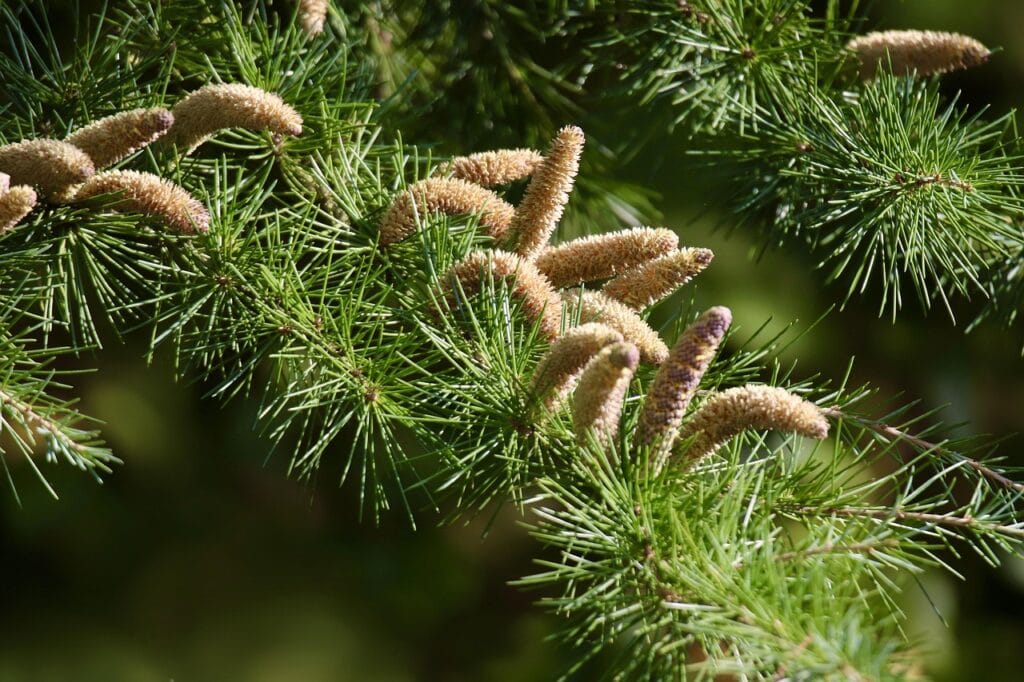
Wondering when to plant cedar trees? Early spring or fall is the ideal time, giving roots time to establish before extreme weather.
Planting during these windows boosts survival rates and long-term health. Learn the best seasonal tips for planting cedar trees right here.
Planting cedar trees at the right time is one of the most important steps to ensuring they grow healthy, strong, and resilient.
Cedars, whether Eastern Red Cedars, Western Red Cedars, or other varieties, are hardy evergreens loved for their ornamental beauty, shade, and windbreak value. But their success starts with timing.
Why Timing Matters When Planting Cedar Trees
Cedar trees are known for their resilience, but like most trees, they’re sensitive during the early stages of growth. P
lanting them when the weather is too hot, too cold, or during dry spells can stress the young roots, reduce survival rates, and hinder establishment.
The goal is to get your cedar tree’s roots well-established in mild soil conditions before the stress of summer heat or winter frost sets in.
Best Time of Year to Plant Cedar Trees
The best time of year to plant cedar trees is early spring or early fall.
These seasons offer mild temperatures and ideal soil conditions, helping young roots establish before weather extremes. Learn why timing matters most for cedar tree success.
When it comes to planting cedar trees, timing really is everything. While cedar trees are relatively low-maintenance once established, getting them off to a strong start means planting them during the most favorable time of year.
Let’s break it down season by season so you know exactly when to plant for the best outcome.
Spring: A Season of Growth
Why spring is ideal:
- Warming soil encourages root development.
- Frequent spring rains reduce watering needs.
- The tree has an entire growing season to settle in.
When exactly?
Aim for early to mid-spring (March to May), depending on your local frost dates and USDA Hardiness Zone.
🌱 Beginner tip: Wait until the ground is workable and no longer frozen, but don’t delay too far into summer.
Fall: A Close Second Favorite
Why fall works too:
- Cooler air reduces transplant shock.
- Soil is still warm from summer, perfect for root growth.
- Less competition from weeds and pests.
Ideal timing:
Plant in early fall (September to early October), giving roots 6–8 weeks to grow before the first freeze.
🍁 Pro tip: Mulch around the base of the tree to insulate roots as temperatures drop.
Seasonal Planting Table
| Season | Ideal? | Why / Why Not |
| Spring | ✅ Best | Long growing season, warm soil, plentiful moisture |
| Early Fall | ✅ Great | Cool temps, warm soil, minimal transplant shock |
| Summer | ❌ Risky | Heat stress, more watering needed |
| Winter | ❌ Not ideal | Frozen ground, roots can’t establish |
Different cedar varieties thrive in different zones.
- Eastern Red Cedar: Zones 2–9
- Western Red Cedar: Zones 5–7
- Deodar Cedar: Zones 7–9
Understanding USDA Hardiness Zones
Before diving into planting times, it’s essential to know what USDA hardiness zones are.
These zones are a way to classify the climate in different regions based on average minimum winter temperatures. Cedar trees have preferred zones for optimal growth, and these zones also tell you when the weather is best for planting.
- Zones 3–4: Cold climates with harsh winters (e.g., northern U.S. and parts of Canada)
- Zones 5–6: Cooler temperate regions (e.g., Midwest and Northeast U.S.)
- Zones 7–9: Milder climates with warmer winters (e.g., Southeast U.S. and parts of the Pacific Northwest)
- Zones 10–11: Tropical and subtropical regions (e.g., parts of Florida and southern California)
Best Time to Plant Cedar Trees by Zone
Zones 3–4 (Cold Climates)
- Best time to plant: Late spring to early summer
- Why: These zones experience freezing temperatures for much of the year. Planting after the last frost gives cedars the warm growing season they need to establish roots before the next winter.
- Planting Tip: Avoid planting too early. If the soil is still too cold, it could hinder root development.
Zones 5–6 (Cool Temperate Climates)
- Best time to plant: Spring or early fall
- Why: Spring allows the tree to grow through the warmer months and get a good start. In early fall, you can plant before the first frost to give the tree time to root before winter sets in.
- Planting Tip: If planting in fall, ensure there are at least 6–8 weeks before the first frost for the roots to establish.
Zones 7–9 (Mild Climates)
- Best time to plant: Fall
- Why: In these zones, the weather is relatively mild, and planting cedar trees in fall allows them to take advantage of cooler soil temperatures and consistent rainfall, which helps them establish a strong root system before the heat of summer.
- Planting Tip: Fall planting is perfect in these zones, but avoid planting too late in fall, especially if you’re expecting a hard frost soon.
Zones 10–11 (Tropical/Subtropical Climates)
- Best time to plant: Fall to early winter
- Why: Even in warmer climates, cooler fall and winter temperatures make planting more effective. The ground remains warm enough for growth but not so hot that the young tree becomes stressed.
- Planting Tip: While these zones are less affected by frost, ensure that you plant before the peak of summer heat to prevent dehydration and stress on the young trees.
What to Consider When Planting Cedar Trees
- Soil Temperature: Plant when the soil is warm enough to promote root growth but not so hot that it stresses the tree.
- Rainfall: Aim to plant right before seasonal rains, if possible, to help establish roots.
- Frost Dates: Always check your local frost dates to avoid planting too early in spring or too late in fall.
Planting Calendar Summary
| Zone | Best Time to Plant | Key Consideration |
| 3–4 | Late spring to early summer | Warm soil, no frost, growing season ahead |
| 5–6 | Spring or early fall | Avoid frost, enough time for root establishment |
| 7–9 | Fall | Cooler temperatures, adequate rainfall |
| 10–11 | Fall to early winter | Warm soil for root growth, mild climate |
Planting at the right time ensures that your cedar trees have the best chance for a long and healthy life.
By considering your hardiness zone, soil temperature, and the timing of frost, you can provide the perfect environment for your cedar trees to take root and grow strong.
Where to Plant Cedar Trees for Best Growth
Choosing the right location is key when deciding where to plant cedar trees.
Full sun, well-draining soil, and ample space ensure strong root growth and healthy development. Discover the best planting spots to help your cedar trees thrive year after year.
Finding the perfect spot to plant your cedar tree is just as important as knowing when to plant it.
Cedars are known for their strength and longevity, but they need the right environment to reach their full potential. Let’s walk through exactly where cedar trees grow best and what you should look for in your landscape.
Sunlight Requirements: Let the Sunshine In
Cedar trees absolutely love sunlight.
- Ideal light: Full sun (at least 6–8 hours per day)
- Tolerant of: Light shade, though growth may slow
☀️ Pro tip: A south or west-facing exposure will help your cedar soak in the maximum sunlight throughout the day.
Soil Conditions Cedar Trees Prefer
Cedar trees aren’t super picky, but they thrive in certain soil types:
- Well-draining soil is a must to avoid root rot.
- Slightly acidic to neutral pH (6.0–7.5) is ideal.
- They can tolerate sandy, loamy, or even clay soils if drainage is good.
Here’s a quick soil reference:
| Soil Type | Works for Cedars? | Notes |
| Sandy Loam | ✅ Excellent | Ideal mix of drainage and nutrients |
| Clay (compacted) | ⚠️ Risky | Only works if amended with compost or sand |
| Peat-rich (wet) | ❌ Poor | Too soggy, may cause root rot |
🌱 Beginner tip: Test your soil drainage by digging a 12-inch hole, filling it with water, and checking if it drains within 24 hours.
Spacing and Airflow: Give Cedars Room to Breathe
Cedars can get big, fast.
- Spacing: At least 5–10 feet from other plants, walls, or trees
- Height potential: 30–60 feet depending on the species
- Width: Up to 15–20 feet wide in maturity
Proper spacing ensures:
✔ Good airflow to reduce disease risk
✔ Root room to grow
✔ Easy access for pruning and care
Avoid These Locations
- Low-lying, flood-prone areas
- Crowded urban spaces where root spread is restricted
- Close proximity to sewer lines or foundations, roots are strong and invasive
The right site sets your cedar up for decades of beauty, shade, and function. A sunny, well-drained area with plenty of room ensures your tree can thrive with minimal maintenance and keeps you from dealing with costly transplanting later.
How to Plant Cedar Trees Step-by-Step
Learning how to plant cedar trees step-by-step ensures long-term success.
From digging the perfect hole to watering and mulching, proper planting techniques help cedar roots establish quickly and grow strong.
Follow this simple planting guide to get your cedar tree off to a healthy start.
Planting a cedar tree doesn’t require a green thumb just a bit of guidance and the right method.
Whether you’re adding privacy to your yard or growing a windbreak, following this clear, beginner-friendly process will help your cedar tree thrive from day one.
Step 1: Choose the Right Tree
Start with a healthy young cedar tree from a reputable nursery. Look for:
- Bright green foliage
- Strong central leader (main stem)
- No signs of disease, pests, or root damage
🌱 Pro tip: Container-grown cedars are easiest to transplant for beginners.
Step 2: Plan the Location
Choose a location that gets full sun, has well-drained soil, and enough space for the cedar to grow tall and wide. Refer to the “Where to Plant” section for detailed guidance.
Step 3: Dig the Planting Hole
Make the hole twice as wide and just as deep as the tree’s root ball.
- This gives roots loose soil to grow into.
- Avoid digging deeper than the root ball’s height.
Why it matters: Planting too deep can suffocate roots and cause rot.
Step 4: Remove the Tree from Its Pot
- If it’s a container-grown tree, gently tap the pot to loosen the root ball.
- Tease the roots slightly if they’re circling, this encourages outward growth.
Step 5: Position the Tree
Place the tree in the center of the hole, making sure:
- The top of the root ball is level with the ground surface.
- The tree is standing straight from all angles.
Fill in around the roots with the excavated soil, lightly tamping down to remove air pockets.
Step 6: Water Thoroughly
Right after planting, give your cedar a deep watering to settle the soil and hydrate roots.
- Use about 2–3 gallons of water per foot of tree height.
💧 Beginner tip: Water slowly to avoid runoff.
Step 7: Mulch to Lock in Moisture
Apply 2–4 inches of organic mulch (like shredded bark or wood chips) around the base, but keep it 2–3 inches away from the trunk.
Benefits of mulching:
- Retains moisture
- Reduces weeds
- Moderates soil temperature
Step 8: Stake If Necessary
If planting in a windy area or with a tall young tree, stake it loosely to provide support.
- Use soft ties to prevent trunk damage.
- Remove stakes after the first growing season.
Step-by-Step Summary Table
| Step | Action | Why It’s Important |
| 1. Choose a tree | Pick a healthy, disease-free seedling | Ensures a strong start |
| 2. Pick location | Full sun, good drainage | Promotes root development and growth |
| 3. Dig hole | 2× wider than root ball | Loosens surrounding soil for easy root spread |
| 4. Remove from pot | Gently tease roots | Prevents girdling and encourages expansion |
| 5. Place and backfill | Level with ground, tamp soil | Prevents sinking and establishes tree properly |
| 6. Water | Deep watering | Hydrates and settles the soil |
| 7. Mulch | 2–4 inches, away from trunk | Conserves moisture and prevents weed growth |
| 8. Stake if needed | Support in wind-prone areas | Prevents leaning and damage |
By following these steps, you give your cedar tree the foundation it needs for decades of healthy growth. Planting with care now saves time, effort, and money in the long run.
How Long It Takes for Cedar Trees to Grow
Wondering how long it takes for cedar trees to grow? Most cedar varieties grow 12 to 24 inches per year and reach full maturity in 20 to 40 years.
Growth speed depends on the species, care, and climate. Let’s explore what affects cedar growth timelines.
Patience is key when growing cedar trees, they’re not the fastest growers, but their beauty and hardiness make them worth the wait.
Whether you’re planting for privacy, shade, or just landscape charm, understanding their growth timeline will help you set realistic expectations.
Average Growth Rate of Common Cedar Trees
| Cedar Type | Annual Growth Rate | Time to Maturity |
| Eastern Red Cedar | 12–24 inches | 30–40 years |
| Western Red Cedar | 24–36 inches | 20–30 years |
| Deodar Cedar | 24 inches | 25–35 years |
| Atlas Cedar | 12–24 inches | 30–40 years |
| Northern White Cedar | 12–18 inches | 20–30 years |
🌲 Note: Growth may slow slightly in colder climates and accelerate in warmer zones with regular care.
Factors That Influence Cedar Tree Growth
Let’s break down what really moves the needle on cedar tree growth:
1. Species of Cedar
Different species naturally grow at different speeds. Western varieties (like Deodar and Western Red) tend to grow faster than Eastern or Atlas types.
2. Soil Quality
Cedar trees love well-drained, slightly acidic to neutral soil. Poor soil can stunt their growth or cause root problems.
3. Sunlight
Full sun is a must. Cedars growing in partial shade may stretch out (leggy) and grow slower due to lack of energy for photosynthesis.
4. Water and Mulch
Cedar trees are drought-tolerant once established, but young trees need consistent moisture. Mulching retains moisture and regulates soil temperature.
5. Pruning and Maintenance
Pruning dead or diseased branches helps focus energy on vertical growth. But don’t over-prune, cedars don’t recover well from aggressive cutting.
6. Climate and Hardiness Zone
- Warmer zones (7–9): Faster growth
- Colder zones (3–6): Slower, but more compact and hardier
Growth Timeline by Tree Stage
| Stage | Timeframe | What’s Happening |
| Seedling | 0–2 years | Root establishment, slow visible growth |
| Juvenile | 3–10 years | Rapid vertical and foliage development |
| Adolescent | 10–20 years | Thickening trunk, growing to near full height |
| Mature | 20+ years | Full canopy spread, strong trunk development |
Tips to Encourage Faster Cedar Growth
- Amend poor soil with compost before planting.
- Mulch annually and maintain a 2–4-inch layer.
- Water deeply in the first two growing seasons.
- Protect from deer and pests that nibble on new shoots.
- Avoid lawn competition, grasses can steal water and nutrients.
Cedar trees are a long-term investment, but one that pays off beautifully. With proper care, they’ll stand tall for decades, providing shade, privacy, and classic evergreen charm.
Final Thoughts on When to Plant Cedar Trees
Planting cedar trees at the right time is crucial for their success.
Whether you’re in a cold, temperate, or warm climate, the optimal timing ensures healthy growth, strong root systems, and long-term vitality for your cedar tree. Plan accordingly for the best results.
Planting cedar trees is a rewarding experience, but it requires a bit of knowledge to ensure that you give your trees the best start.
As we’ve explored, the ideal time to plant cedar trees varies depending on your climate zone.
Whether you’re in colder regions where late spring or early summer is best, or in milder zones where fall planting offers the perfect opportunity, choosing the right season is essential to their growth.
Why Timing Matters
Cedar trees, like all plants, thrive when they are planted in the most conducive environmental conditions.
By considering factors like soil temperature, moisture, and seasonal weather, you can ensure that your cedar trees have the best chance to establish themselves and flourish in your garden.
Poorly timed planting, such as during freezing winter temperatures or the sweltering heat of summer, can stress young trees and stunt their growth.
Key Takeaways:
- Know Your Hardiness Zone: Understanding your USDA hardiness zone is the first step in determining the best time to plant cedar trees. Each zone experiences different weather patterns, making it essential to tailor your planting schedule to your local climate.
- Timing for Growth: Plant in spring or early summer for cold regions and in fall for milder climates. Fall planting is ideal for warmer areas, allowing cedars to establish roots before summer arrives.
- Soil and Moisture Considerations: Ensure the soil is warm enough for root growth and sufficiently moist. This gives your cedar tree the best foundation for developing a strong, healthy root system.
- Avoid Late Planting: In cooler climates, ensure that you plant your cedar trees with enough time to establish roots before winter’s frost sets in. In warmer climates, avoid planting when temperatures are at their highest.
Whether you’re planting cedar trees for privacy, landscaping, or environmental benefits, the timing of your planting plays a pivotal role in their overall health and longevity.
By planting at the correct time, following best practices, and considering your local climate, you set the stage for a thriving cedar tree that can provide beauty and function for years to come.
As you plan your planting, remember that patience and careful consideration will always reward you with the best results. Happy planting!