
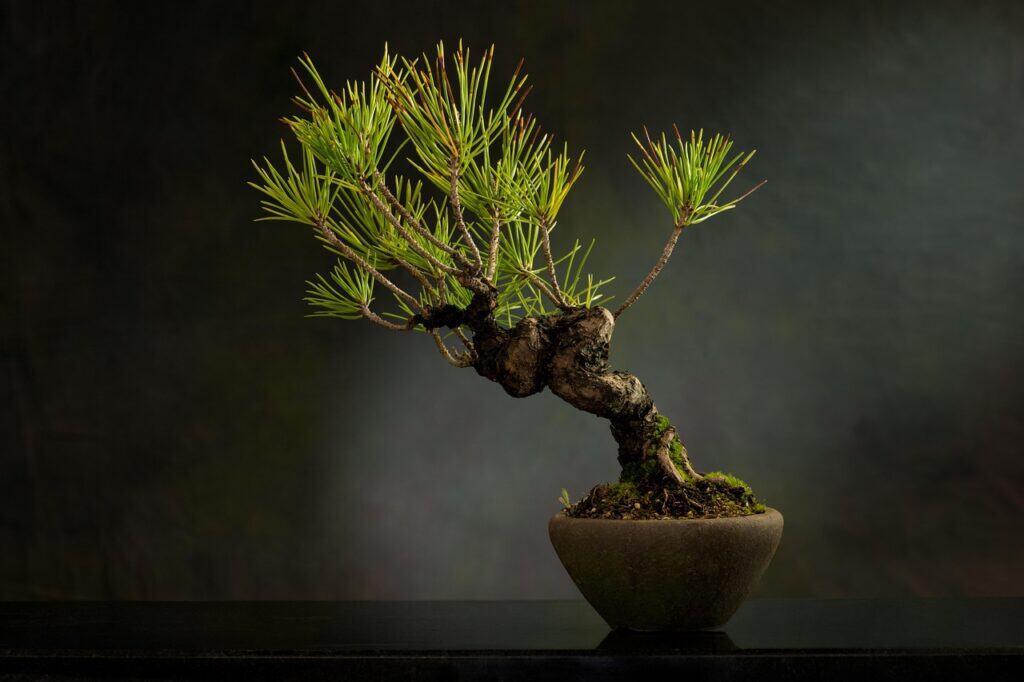
Why is my bonsai tree losing its leaves? Discover the top reasons, from watering issues to environmental stress, that cause leaf drop, and learn expert tips to help your bonsai thrive again.
Introduction
If you’ve ever asked, “why is my bonsai tree losing its leaves?”, you’re not alone. It’s one of the most common beginner bonsai concerns.
A bonsai dropping leaves could signal anything from basic watering errors to natural seasonal behaviors.
In this comprehensive section, we’ll dig deep into the most frequent causes and give you actionable, authoritative guidance to revive your tree. Let’s empower your green thumb!
Understanding Leaf Drop in Bonsai
Bonsai leaf loss comes in two forms:
- Natural leaf drop – Especially in deciduous bonsai, shedding leaves in fall or during dormancy is normal.
- Stress-driven leaf drop – When healthy bonsai lose leaves outside the seasonal pattern, it’s often due to cultural or environmental stress.
Key Causes of Leaf Loss
1. Watering Woes: Overwatering vs Underwatering
- Overwatering saturates roots, causes rot, and suffocates the tree, leading to yellowing or wilting leaves before they fall.
- Underwatering, on the other hand, starves roots of moisture, causing quick leaf drop, even in a matter of days.
Pro Tip Table: Water Check Guide
| Soil Condition | Problem | Remedy |
| Soggy, waterlogged | Overwatering | Let soil dry slightly; repot with fast-drain mix |
| Bone-dry throughout | Underwatering | Water thoroughly until water drips; track moisture |
2. Environmental Stress: Light, Temperature & Humidity
- Sudden light changes, like moving indoors, can shock bonsai and cause leaf drop.
- Indoor heating or drafts often reduce humidity and induce leaf loss.
- Fluctuating day/night temps or prolonged exposure to cold/hot air also stress plants .
3. Seasonal or Dormancy Shedding
Deciduous bonsai naturally lose leaves in autumn/winter, that’s healthy and expected. Always check your species’ dormancy pattern before worrying.
By understanding why leaves drop, whether it’s due to water, light, temperature, humidity, or natural cycles, you can diagnose the issue more accurately.
Subsequent sections will offer tailored fixes, diagnostic tips, and preventive care strategies.
Common Causes of Bonsai Leaf Drop: Overwatering, Underwatering & More
Discover why overwatering and underwatering are leading causes of bonsai leaf drop and learn how to strike the perfect balance for a healthy, happy tree.
1. Overwatering: A Slow Silent Killer
Overwatering is often the #1 culprit when bonsai lose leaves unexpectedly. Soggy soil suffocates roots, leading to root rot and nutrient issues that manifest as yellowing, wilting, or dropping leaves, even while appearing “too wet”.
- Signs to watch for: soft brown or black leaf tips, unsteady trunk, and slow canopy decline.
- Expert advice: make sure soil drains well (add pumice or gravel), allow it to become just barely damp before watering again, and avoid feeding until recovery begins.
2. Underwatering: Rapid Water Loss Through Dropping Leaves
Underwatering acts quickly, leaves shrivel, curl, and drop within days of neglect. Ficus and tropical bonsai especially respond by shedding leaves to conserve moisture.
- Symptoms: crisp, dry foliage (even if green) and no rebound after watering.
- Recovery approach: water deeply until the soil is fully moistened, then use tools like chopsticks to monitor moisture, re-watering as soil indicates .
3. Watering Balance: The Golden Mean
Both extremes harm your bonsai. The key? Consistent soil moisture, neither soggy nor parched. Use the “finger test” or chopstick method to find the sweet spot and let the tree guide you, not a fixed schedule .
Table: Watering Symptoms & Fixes
| Problem | Signs | Immediate Action |
| Overwatering | Black/brown soft tips, base wobble | Pause watering, improve drainage, repot if needed |
| Underwatering | Curling, crispy leaves, sudden drop | Deep soak until water drains, then monitor regularly |
| Fluctuating water | Alternating dry/wet issues | Stick to even, moist-but-not-soggy soil management |
Why It Matters
Bonsai are confined in shallow pots with limited soil. That makes precise watering vitally important. Overwatering suffocates roots; underwatering starves them, both pathways lead to leaf drop, stress, or even death.
Quick Pro Tips from Bonsai Experts
- Use a granular, fast-draining soil mix for better air flow.
- Frequent checks using chopsticks or a moisture meter help you water when needed, not too early, not too late.
- Drainage first: never let your bonsai sit in standing water, empty trays promptly .
How Environmental Stress Makes Your Bonsai Shed Leaves
Environmental stress, like sudden changes in light, temperature, or humidity, can shock your bonsai and trigger leaf drop. Learn how to stabilize conditions and support a happier tree.
Understanding Environmental Stress
Bonsai are sensitive miniature trees that can lose leaves when their environment shifts. Here’s how different stress factors play a role:
- Light fluctuations – A sudden move from bright to dim light (or vice versa) can shock a bonsai. Many indoor species, like ficus, are especially light-sensitive. They may drop leaves but often bounce back once they settle.
- Temperature swings and drafts – Faucets of hot or cold air, drafts from windows, AC, or heaters, can cause leaf drop. Both too hot and too cold stress the plant.
- Low humidity indoors – Bonsai prefer moderate to high humidity. Especially in winter, dry air causes them to shed leaves to conserve moisture .
Signs of Environmental Shock
- Leaves falling all at once, green, healthy leaves included
- New leaf growth alongside dropped older ones
- Browning, curling, or crisp leaf edges
Expert Tips to Mitigate Environmental Stress
- Stabilize lighting:
- Keep bonsai in a consistent, well-lit spot (e.g., south-facing window).
- Use grow lights during winter or low-light seasons.
- Keep bonsai in a consistent, well-lit spot (e.g., south-facing window).
- Control temperature & drafts:
- Keep your bonsai away from direct heat sources or cold drafts.
- Maintain stable day/night temps; tropical species prefer 65–75°F indoor conditions.
- Keep your bonsai away from direct heat sources or cold drafts.
- Increase humidity:
- Add humidity trays or mist daily.
- Group plants together or use a humidifier in dry months.
- Add humidity trays or mist daily.
Table: Environmental Stressors & Solutions
| Stress Factor | Impact on Bonsai | Fixes |
| Sudden light change | Leaf drop/shock | Keep light stable; use grow light during low-light months |
| Temperature drafts | Leaf curling/loss | Avoid windows, vents, heat; use consistent temp range |
| Low humidity | Dry, crispy leaves | Humidity trays, misting, humidifier |
Why This Matters
Even minor environmental changes can unsettle bonsai bonsais. The good news: once you provide a stable, favorable setting, your tree often recovers quickly, with new leaves appearing within weeks.
Share your next move and I’ll guide you through the rest!
Pests, Diseases & Leaf Loss: Diagnosing Your Bonsai Problem
Learn how pests and diseases cause bonsai leaf loss, identify symptoms like spots or webbing, and treat them promptly to nurse your bonsai back to health.
The Hidden Threats: Pests & Diseases
Even well-cared-for bonsai can be susceptible to pests and pathogens. These often go unnoticed until leaf drop begins. Let’s uncover the main culprits:
Common Bonsai Pests
- Aphids: Small, soft-bodied insects clustering on shoots, often causing distorted growth and sticky residue.
- Spider mites: Microscopic pests that create fine webbing and leaf stippling.
- Scale insects: Hard, shell-like bumps on stems or the underside of leaves.
- Mealybugs: Cottony, white masses in leaf axils and stem junctions.
These critters suck vital sap, weakening your bonsai and triggering premature leaf drop.
Bacterial & Fungal Diseases
- Leaf spot and chlorosis: Circular brown spots or yellow patches from fungal or bacterial infections.
- Root rot: Caused by water-loving pathogens in overwatered soil, leads to a weak, wilting bonsai that sheds leaves.
Diagnosing Pests vs. Diseases
| Warning Signs | Likely Cause | What to Do First |
| Tiny bugs, sticky honeydew | Aphids, scale, mealybugs | Gently rinse or use insecticidal soap |
| Webbing + speckly leaves | Spider mites | Increase humidity; apply neem oil or miticide |
| Yellow/brown spots on foliage | Fungal/Bacterial infection | Prune affected leaves; apply fungicide |
| Mushy, discolored roots | Root rot | Trim rot, repot in fresh mix with better drainage |
Expert Treatment Tips
- Regular inspection, check leaves (especially undersides), stems, and soil surface weekly.
- Quarantine new plants, keep new additions separate for 2 weeks to prevent infestation spread.
- Green interventions:
- Flush soil to wash out pests and reinforce drainage.
- Use insecticidal soaps or horticultural oils for non-chemical control.
- For persistent issues, opt for fungicides or targeted insecticides following label directions.
- Flush soil to wash out pests and reinforce drainage.
- Root care, if root rot is present:
- Prune dead or blackened roots,
- Repot in fresh bonsai soil mix with improved aeration.
- Prune dead or blackened roots,
Why This Section Matters
Treating pests and diseases swiftly reinforces your bonsai’s health and vigor. It stops stress-related leaf drop in its tracks and supports sustainable growth and aesthetic appeal. Keep pest vigilance up.
Seasonal Leaf Drop vs Problematic Leaf Loss in Bonsais
Understand the difference between normal seasonal leaf drop and concerning leaf loss in bonsai, so you can react appropriately and keep your tree healthy.
Seasonal Leaf Drop: A Natural Cycle
Most deciduous bonsai, such as maple, elm, and beech, undergo an annual shedding of leaves in fall or winter. This natural dormancy helps conserve energy over colder months. Key characteristics include:
- Timing: occurs during fall or early winter, depending on the species.
- Uniformity: entire tree sheds foliage evenly.
- New life soon after: buds form in early spring, signaling healthy hibernation.
Seasonal vs. Problematic Drop Comparison
| Feature | Seasonal Leaf Drop | Problematic Leaf Loss |
| Timing | Fall/Winter (species-specific) | Any time, especially spring/summer |
| Leaf appearance | Even yellow/brown aging leaves | Mixed green & yellow; some appear healthy |
| Tree behavior | Dormant buds, minimal watering | No bud growth; irregular leaf shedding |
| Recovery signs | New leaves in spring | No regrowth; may worsen without intervention |
Problematic Leaf Loss: Trouble Signs
When leaf drop happens outside of their species’ normal cycle, your bonsai is signaling distress. Common red flags:
- Leaf loss outside the typical season (e.g., a maple dropping leaves in July).
- Old and new leaves shedding simultaneously.
- Combined with other stress signs: wilt, spotty leaves, soil issues.
How to Respond Appropriately
- Confirm the species & its dormancy schedule, know your tree!
- Evaluate the timing, is this when it’s supposed to happen?
- Look for additional signs, are pests, poor watering, or environment at play?
- Check buds, dormancy may still be on track if healthy buds form.
- Act only if needed, don’t adjust care mid-season unless the issue is abnormal.
Why It Matters
This distinction prevents unnecessary intervention. Reacting wrongly during natural leaf drop can cause more stress. Recognizing seasonal patterns helps ensure you support, not sabotage, your bonsai’s health.
How Light Levels Impact Leaf Retention in Indoor Bonsai
How light levels impact leaf retention in indoor bonsai: learn why proper light intensity and duration are essential, and how to adjust lighting for a vibrant, drop‑free tree.
Light: The Unsung Hero of Leaf Health
Light powers photosynthesis, the process that allows your bonsai to thrive. When light is too dim or too intense, trees respond by dropping leaves to protect their core systems.
1. Light Deficiency: Dim Conditions, Drifting Foliage
Indoor bonsai often suffer from insufficient sunlight, especially in winter or shaded rooms. In response, they conserve energy by shedding leaves.
Signs of low‑light stress:
- Sparse foliage and fewer new shoots.
- Leaves turning yellow and dropping from lower branches.
- Slow growth overall.
What to do:
- Place bonsai by a south- or southwest-facing window.
- Use supplemental grow lights (LED or fluorescent) to deliver 12–14 hours of light daily during darker months.
2. Light Shock: When Bright Is Too Bright
Conversely, sudden blows of bright, direct sun can scorch leaves and force drop-out, even in hardy species.
Signs of intense light stress:
- Scorched or bleached spots.
- Leaf curling or crisp edges.
- Rapid leaf drop during peak sun.
Experts recommend:
- Gradual light transitions don’t move plants directly from indoors into full sun.
- Use shade cloth or sheer curtains to filter harsh light.
- Monitor closely for signs of stress and adjust positioning accordingly.
3. Matching Light Requirements to Species
Every bonsai species has a unique light preference:
| Species | Light Needs | Best Placement & Lighting Tips |
| Ficus, tropical bonsai | Bright, indirect light | High windowsill or supplemented with grow light |
| Japanese maple, elm | Partial sun or light shade | Filtered morning light; filtered indoors in winter |
| Junipers, pines | Full sun outdoors | Outdoors, with at least 6 hrs direct sun |
4. Optimizing Your Lighting Setup
- Use a light meter or smartphone app to track PAR or foot-candles.
- Set up timers on grow lights to simulate natural cycles.
- Rotate your bonsai weekly for even light distribution and balanced growth.
Why This Matters
Proper lighting keeps your bonsai robust and leaf rich. Too little light leads to starvation, too much causes burn. By tuning light correctly, you prevent a major source of untreated leaf drop, and unlock healthier, denser foliage.
Watering Mistakes That Make Bonsai Drop Leaves
Avoid common watering mistakes, like inconsistent schedules, ignoring pot drainage, or using improper water, that trigger leaf drop in bonsai. Discover precise care tips here.
Why Watering Strategy Matters
Bonsai thrive with consistent, thoughtful watering. Missteps here can easily stress the tree, prompting leaf drop as a defense mechanism. Let’s dive into the key pitfalls and how to fix them.
1. Inconsistent Watering Schedules
- Problem: Erratic watering, too much one day, too little the next, drains a bonsai’s resilience.
- Signs: Leaves go yellow or brown, wilting occurs even if soil seems moist.
- Fix: Stick to a consistent routine using the chopstick moisture test, insert into soil: damp=wait, dry=water deeply.
2. Poor Drainage: A Foundation for Stress
- Issue: A bonsai pot without enough drainage holes or absent gravel beneath the soil puts your tree at risk.
- Consequences: Water pooling causes root rot and oxygen deprivation, core issues behind leaf loss.
- Solution:
- Ensure your pot has multiple drainage holes.
- Build a gritty foundation layer with gravel or pumice.
- Mix in fast-draining soil components, such as akadama or coarse sand.
- Ensure your pot has multiple drainage holes.
| Component | Function |
| Drainage holes | Prevent waterlogging |
| Gritty layer | Encourages airflow and quick drainage |
| Soil mix | Supports balance between moisture and air |
3. Using the Wrong Water
- Problem: Minerals, chlorine, or hard water can add up in soil, stressing your bonsai.
- Symptoms: Leaf curling, yellowing edges, and sudden drop.
- Best Practice:
- Use rainwater or filtered tap water.
- If using a tap, let it sit overnight to dissipate chlorine or use a carbon filter.
- Use rainwater or filtered tap water.
4. Surface Watering Only: Beware the Shallows
- Mistake: Light sprinkling on top only wet the surface and doesn’t feed deeper roots.
- Result: Roots dry out quickly and leaf drop begins.
- Remedy:
- Soak the soil fully until water runs from the bottom.
- Repeat watering until full penetration, avoiding dry pockets.
- Soak the soil fully until water runs from the bottom.
5. Ignoring Seasonal Shifts in Watering
- Fact: Bonsai needs fluctuate with seasons, more in growth, less in dormancy.
- Seasonal Care:
- Spring/Summer: Water more frequently, maybe daily.
- Fall/Winter: Reduce frequency; let soil dry slightly between waterings.
- Spring/Summer: Water more frequently, maybe daily.
- Smart Tip: Always do the chopstick test before watering, regardless of season.
Why This Section Is Vital
Watering isn’t just about giving water, it’s about understanding how much, how often, and how to deliver it.
Avoiding these mistakes ensures your bonsai gets exactly what it craves: steady moisture without suffocation. Correct watering means fewer leaf losses, stronger roots, and a happier tree.
Nutrient Deficiencies Behind Bonsai Leaf Drop & How to Fix Them
Nutrient deficiencies can weaken bonsai and cause leaf drop. Learn which key nutrients are crucial, like nitrogen, phosphorus, and iron, and how to supplement them for vibrant foliage.
Why Nutrients Matter for Leaf Retention
Just like people, bonsai need a balanced diet to stay vibrant. If essential nutrients are missing, your tree may sacrifice leaves in order to preserve energy. Common deficiencies include:
- Nitrogen (N): Needed for green, lush foliage
- Phosphorus (P): Supports strong roots and flower/fruit development
- Potassium (K): Aids in carbohydrate processing and disease resistance
- Micronutrients: Elements like iron, magnesium, and calcium are vital for robust growth
Signs of Common Nutrient Deficiencies
| Deficient Nutrient | Symptoms | How to Diagnose & Confirm |
| Nitrogen | Pale-green or yellow leaves, slow growth | Yellowing older leaves first |
| Phosphorus | Dark velvety leaves, poor bud/root growth | Stunted development |
| Potassium | Leaf browning at edges, weak stems | Browning margin or necrosis |
| Iron/Magnesium | Yellowing between veins (chlorosis) | Interveinal symptoms |
Use this chart as a guide to observe trends over time. Sudden leaf drop often accompanies multiple deficiencies, so look at your bonsai holistically.
How to Fix Nutrient Deficiencies
- Use a Balanced, Bonsai-Specific Fertilizer
Choose one formulated for bonsai trees (e.g., ratios like 10‑10‑10 NPK). Apply during the active growing season, typically spring through early fall.
- Supplement Trace Elements
If chlorosis or stunted growth appear, use chelated iron or magnesium sprays to quickly correct underfeed.
- Monitor Soil pH
If too acidic or alkaline, nutrient uptake is hindered. Aim for a slightly acidic to neutral pH (5.5–7.0); adjust with lime or sulfur as needed.
- Slow and Steady Feeding
Avoid overfertilizing, it may burn roots. Stick with recommended doses and observe your bonsai for two months after changes.
Pro Tips from Bonsai Experts
- Liquid feeds help correct deficiencies fast but always follow label directions.
- Organic options, such as fish emulsion or compost tea, support soil life while feeding.
- Always flush the pot lightly during dormant seasons to prevent salt build-up from fertilizers.
Why Nutrients Mean Leaf Security
Even with perfect watering and light, nutrient stress can lead to weak tissue and leaf drop. Balanced feeding promotes strong leaves and healthy root systems, protecting your bonsai from stress-related foliage loss.
Repotting Blues: Does Transplant Shock Cause Leaf Loss in Bonsai?
Repotting shock in bonsai can lead to leaf loss. Learn how repot properly minimize stress, protecting roots and promoting recovery so your tree thrives after transplant.
What Is Transplant Shock?
Transplant shock occurs when you repot a bonsai and disturb its roots. While repotting is essential for long-term health, it can stress the tree, leading to temporary leaf loss as the roots recover.
- Why it happens: Root pruning, soil change, or rough handling limits water and nutrient uptake for a time.
- Typical timeframe: Leaves may drop within a week, but recovery often begins within 2–4 weeks.
Recognizing Transplant Stress
Look for these signs following repotting:
- Yellowing leaves or increased drop.
- Wilting despite regular watering.
- Slow or stunted new growth, especially in spring/summer transplants.
How to Minimize Shock
- Repot at the right time:
- Deciduous trees: late winter–early spring, just before bud break.
- Evergreen trees: early spring or early fall.
- Deciduous trees: late winter–early spring, just before bud break.
- Gentle root pruning:
- Trim only small root tips, avoid over-pruning.
- Remove any decayed roots, preserving most healthy roots.
- Trim only small root tips, avoid over-pruning.
- Use suitable soil mix:
- Match new soil’s texture to the old blend to prevent moisture shifts.
- Match new soil’s texture to the old blend to prevent moisture shifts.
- Provide aftercare care:
- Water deeply right after repotting, then maintain consistent moisture.
- Avoid fertilizing immediately. Wait at least 4–6 weeks.
- Keep in a stable environment, away from direct sun, wind, or drafts.
- Water deeply right after repotting, then maintain consistent moisture.
Recovery Timeline
| Stage | Timeframe | What to Expect |
| Initial stress | First 1–2 weeks | Slight leaf tilt or drop |
| Root recovery phase | Weeks 2–4 | New root growth; stabilization |
| New growth appears | Weeks 4–8 | Buds form, fresh leaves emerge |
Why This Section Matters
Understanding and preparing for transplant shock ensures your bonsai emerges stronger from repotting. With strategic timing and gentle handling, you minimize leaf loss, so your tree can thrive in its refreshed home.
How to Help Your Bonsai Recover After Dropping Leaves
Learn how to help your bonsai recover after dropping leaves, through proper care, gentle pruning, and monitoring, so it rebounds stronger and leafier than before.
1. Diagnose the Cause Before Reacting
Before diving into recovery tactics, pinpoint why your bonsai dropped leaves:
- Check and correct watering issues, use chopstick test or moisture meter.
- Examine light, temperature, and humidity for shocks or inconsistency.
- Inspect for pests, disease, or root problems (repot if needed).
- Evaluate the timing to rule out natural seasonal leaf drop.
A correct diagnosis is half the recovery.
2. Restore Balance in Water, Light & Humidity
Re-establishing a stable environment is key:
- Water: Keep soil consistently moist (not soggy), use the chopstick test.
- Light: Provide consistent bright, indirect light, add grow lights if needed.
- Temperature & Drafts: Keep within species-specific comfort zones; avoid extremes.
- Humidity: Use trays or a humidifier, or mist daily, especially indoors or in winter.
3. Gentle Pruning to Encourage Recovery
Remove damaged foliage and encourage new growth:
- Trim dead or drooping leaves/branches to redirect energy.
- Do light structural pruning, avoid heavy cuts until foliage returns.
4. Support with Nutrition & Care
- Fertilize with a mild bonsai-specific feed (like a balanced 10-10-10) about 4–6 weeks after recovery begins.
- Apply trace minerals (e.g., iron chelate) if yellowing leaves persist.
- Flush soil once or twice a year (especially in spring) to reduce salt build-up.
5. Monitor and Track Recovery
Document growth and conditions:
| Metric | What to Watch For | Ideal Outcome |
| New bud/leaf formation | Appear within 4–8 weeks | Signs of life returning |
| Soil moisture | Chopstick test remains consistent | Soil stays evenly moist |
| Foliage health | Fresh leaves with uniform color | Dark green, fully shaped leaves |
| Pests/disease absence | Check weekly | No visible signs |
6. Maintain Preventive Care
To prevent future leaf drops:
- Stick to steady routines for watering, feeding, and light.
- Check weekly for pests and health markers.
- Adjust care gently, avoid sudden changes.
- Repot every 2–3 years, ideally in spring or fall, to renew root health.
7. Know When to Seek Expert Help
- If stress persists for over 8 weeks with no new growth, consider consulting a bonsai specialist or horticulturist.
- Join local bonsai clubs or online forums for species-specific insights and troubleshooting.
Why This Matters
Your bonsai’s resilience depends on thoughtful, consistent care. By diagnosing the issue, stabilizing its environment, nurturing recovery, and monitoring closely, you’ll guide your tree back to health, and gain confidence in its long-term care.
Final Thoughts
Your bonsai doesn’t lose leaves arbitrarily, it’s trying to communicate.
Whether it’s due to watering missteps, environmental shifts, pests, or seasonal cycles, its response is a survival signal. The key to helping it thrive lies in awareness and consistent care.
- Watering remains the most critical factor, both over- and underwatering are top causes of leaf drop.
- Environmental stability, especially steady light, temperature, and humidity, is essential. Indoor shifts (like winter heating or drafty windows) often trigger leaf loss in sensitive species like ficus.
- Pests and diseases demand early detection. Inspect your bonsai regularly, tiny pests or leaf spots are early warning signs.
- Know your bonsai’s natural rhythms. Deciduous varieties shed seasonally, and this is often harmless dormancy, not a crisis.
Your Bonsai Care Checklist:
- Diagnose before reacting: Identify the cause, water, light, pests, or seasonal cycle.
- Provide a consistent environment: Maintain balanced watering, adequate lighting, comfortable temperature, and higher humidity indoors.
- Scout weekly: Watch for pests, root issues, and soil moisture.
- Support recovery: Use gentle trimming, mild fertilization, and proper aftercare when needed.
- Be patient & observant: Bonsai recover gradually, new buds and healthy leaf growth often appear within weeks to months, especially after seasonal dormancy.
By understanding what’s behind leaf drop and aligning your care accordingly, you empower your bonsai to bounce back, healthier, stronger, and more resilient.
With time, you’ll become attuned to its subtle signals and nurture it with confidence.