
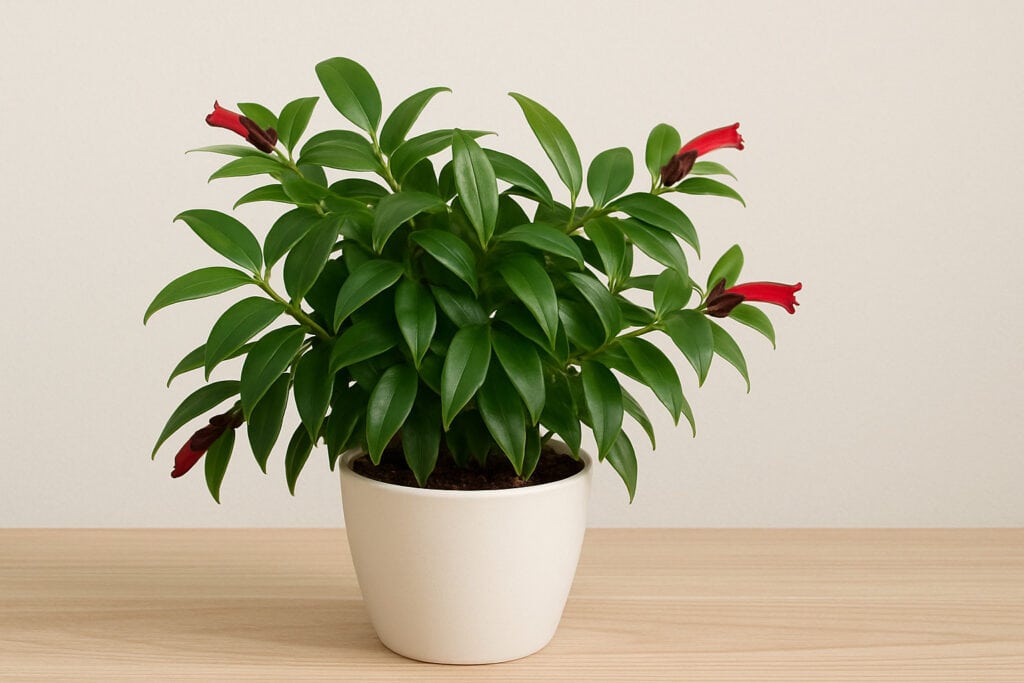
Discover why your lipstick plant may be dropping leaves, from watering issues and light problems to temperature and pests, and learn how to diagnose and fix the core causes easily and effectively.
Understanding Leaf Drop in Lipstick Plants
Lipstick plants (Aeschynanthus spp.) naturally shed older leaves, but excessive or premature drop signals distress.
Top reasons include improper watering, lighting imbalances, temperature stress, low humidity, and pests or diseases. Recognizing when leaf loss is normal versus a warning is the first step to a healthy, lush plant.
Is It Natural or a Problem?
- Normal turnover: Mature leaves may yellow and drop as new growth emerges.
- Concerning leaf drop: Sudden, widespread loss across the plant, often accompanied by yellowing, drooping, or unusual spots, indicates stress.
The Big Five Causes
- Watering Issues
Overwatering leads to root rot and yellow leaves, underwatering causes wilting and crispy foliage. Strike a balance, soil should feel slightly moist, not soggy or bone dry. - Light Conditions
Sparse light leads to pale green, droopy leaves; too much direct sun scorches them. Bright, indirect light is optimal. - Temperature & Humidity
Ideal: 65–75 °F with high humidity. Temperatures below ~60 °F or dry air stress the plant. Consistent warmth and moisture help maintain foliage. - Pests & Diseases
Spider mites, aphids, and fungal issues can attack foliage, causing drops. Look for sticky residue, discoloration, or visible tiny insects. - Nutrient Deficiency
Yellowing leaves may indicate a lack of nitrogen or trace nutrients. A mild balanced fertilizer during the growing season can help.
Quick Diagnostic Table
| Symptom | Likely Cause | What to Do |
| Yellow, mushy leaves | Overwatering / rot | Check drainage; reduce watering |
| Droops & edges crisping | Underwatering / low humidity | Increase water; mist or use a tray |
| Paling & stretching stems | Low light | Move to brighter spot |
| Spots, sticky residue | Pests / fungus | Inspect and treat with neem/insecticidal soap |
| Uniform yellowing | Nutrient lack | Use balanced fertilizer |
Building trust with readers starts by promptly identifying their plant’s symptoms and guiding them to clear, trustworthy solutions.
Causes of Your Lipstick Plant Losing Leaves: Light, Water & Humidity
Uncover how light levels, watering routines, and humidity create the perfect, or painful, environment for lipstick plant leaf drop, and get simple, effective tips to nurture lush, resilient foliage.
1. Light: The Sunshine Sweet Spot
Bright, indirect light is essential. Too little light causes pale, stretched leaves and drop-offs, while direct sun scorches delicate foliage.
- Ideal placement: East or west-facing windows with filtered brightness.
- Signs of too little light: Lingering pale green leaves, sparse growth, leggy stems.
- Signs of too much light: Browning or crispy edges, move the plant slightly back from the window.
2. Watering: Balancing Thirst and Drench
Watering is the most common cause of leaf drop, either denying or drenching.
- Overwatering leads to soggy soil, root rot, and yellow, mushy leaves.
- Underwatering causes dry, droopy foliage that browns and flakes.
Smart watering tips:
- Check soil: water when the top inch is dry.
- Use a well-draining mix and ensure the pot has drainage holes.
- Use lukewarm, chlorine-free water to avoid shocking the roots.
3. Humidity & Temperature: The Comfort Zone
Lipstick plants are tropical; they crave warmth and moisture.
- Temperature sweet spot: 65–80°F (18–27°C). Cold drafts below 60°F stress the plant, triggering leaf drop.
- Humidity needs: At least 50% relative humidity. Low indoor humidity, especially during winter heating, results in dry, dropping foliage.
Humidity hacks:
- Place the plant on a pebble tray filled with water.
- Use room humidifiers or mist leaves gently each morning.
- Keep away from air vents and drafty windows.
Quick Comparison Table
| Issue | Symptoms | Solution |
| Low light | Pale, leggy, dropping leaves | Move to brighter indirect light |
| Direct sun burn | Brown, crispy patches | Filter light or shift position |
| Overwatering | Yellow, mushy leaves | Let soil dry; improve drainage |
| Underwatering | Dry, wilted foliage | Water deeply when top soil dries |
| Low humidity / cold | Dropping leaves | Raise humidity; avoid drafts |
By mastering the trio of light, water, and humidity, your lipstick plant’s foliage will remain lush, vibrant, and resilient.
These are the foundation stones of healthy plant care, get them right, and your plant will thank you with growth and bloom.
How Overwatering Makes a Lipstick Plant Lose Leaves
Overwatering is a top reason lipstick plants lose leaves. Learn how to identify the signs of root rot, prevent soggy soil, and create the perfect watering routine for a healthier, leafier plant.
The Hidden Danger of Too Much Water
Lipstick plants are epiphytes by nature; they grow on trees in the wild and hate soggy roots. Overwatering disrupts oxygen flow in the soil, suffocating roots and leading to rot.
When roots are damaged, the plant can no longer take up water and nutrients effectively, causing leaves to yellow, soften, and fall off.
Signs Your Lipstick Plant Is Overwatered
| Symptom | Meaning |
| Yellowing lower leaves | Early sign of water stress |
| Mushy stems or leaves | Root or stem rot has set in |
| Musty smell from soil | Fungal activity in over-saturated soil |
| Soil stays wet for days | Poor drainage or too frequent watering |
| Wilting despite wet soil | Roots are suffocating or rotting |
What Causes Overwatering?
- Watering too frequently: Letting soil stay wet between waterings.
- Poor drainage: Pots without holes or heavy, compacted soil.
- Cool temps: Plants use less water, so soil dries slower.
- Wrong pot size: Oversized pots hold moisture longer than needed.
How to Fix and Prevent Overwatering
Step-by-step recovery plan:
- Inspect roots: Gently remove the plant and check for dark, mushy, smelly roots. Trim affected areas with sterile scissors.
- Repot with fresh soil: Use a lightweight, well-draining mix (50% potting mix, 25% perlite, 25% orchid bark).
- Choose the right pot: Ensure drainage holes and a size just slightly larger than the root ball.
- Adjust watering routine:
- Check soil moisture with your finger or a meter.
- Water only when the top inch is dry.
- Let water fully drain out, never let the pot sit in water.
Pro Tip: Let the Plant Breathe
Give your lipstick plant a chance to dry out. Better to underwater slightly than to overdo it, these tropical beauties are resilient and bounce back fast once the rot stops spreading.
Underwatering Stress: Lipstick Plant Leaf Shedding Explained
Underwatering can lead to dry, curling leaves and leaves drop in lipstick plants. Learn the telltale signs of dehydration and how to restore a healthy watering balance for vibrant, thriving growth.
Dehydration Hits Hard
Lipstick plants are tropical by nature and prefer consistently moist, but not soggy soil. When they’re underwater, their leaves become the first to suffer.
They curl, crisp, droop, and eventually fall off due to a lack of water pressure (turgor) inside the plant’s cells.
Signs Your Lipstick Plant Is Underwatered
| Symptom | What It Means |
| Drooping or curling leaves | Plant is losing water faster than it absorbs |
| Brown, crispy leaf edges | Prolonged dryness has damaged leaf tips |
| Soil pulls away from pot | Soil is overly dry and compacted |
| Slow or stunted growth | Dehydration is stressing the root system |
| Sudden leaf drop | Emergency response to conserve moisture |
Why It Happens
- Infrequent watering: Skipping too many watering days, especially in warm weather.
- Wrong soil type: Fast-draining soil that dries out too quickly.
- Small pots: Limited soil volume means faster evaporation.
- Neglect in hot seasons: Heat increases transpiration and evaporation.
How to Rehydrate and Prevent Underwatering
- Check soil regularly: Use your finger to test the top inch; if dry, it’s time to water.
- Deep watering: Water until it flows from the drainage holes to ensure roots are fully soaked.
- Avoid shallow watering: It only wets the top layer, leaving deeper roots thirsty.
- Rehydrate compacted soil:
- Soak the pot in a tray of water for 20–30 minutes to rehydrate the soil fully.
- Boost humidity: Dry air speeds up water loss, group plants or use a humidifier.
Pro Tip: Set a Watering Reminder
Especially in warmer seasons, aim for a consistent routine, every 7–10 days is a great starting point. Always adjust based on environment and pot size.
Lipstick plants bounce back well once properly hydrated. If the leaves perk up and new growth appears within a week, you’re back on track.
Light Requirements: Preventing Your Lipstick Plant Losing Leaves
Lighting plays a major role in lipstick plant leaf drop. Discover how to provide the perfect light conditions to prevent stretching, browning, and shedding leaves, and help your plant flourish indoors.
Lipstick Plants Love Light: But Not All Light
Lipstick plants thrive in bright, indirect sunlight. In their native tropical forests, they receive filtered light under tree canopies, so replicating that indoors is key.
Too little light, and your plant may stretch, fade, and shed leaves. Too much sun, especially direct rays, can scorch the leaves, causing drop from stress.
Signs of Poor Lighting
| Lighting Issue | Symptoms |
| Low light | Pale green leaves, leggy stems, no new growth |
| Too much direct sun | Brown, crispy patches on leaves |
| Sudden light changes | Shock-induced leaf drop |
| Inconsistent lighting | Uneven growth and patchy foliage loss |
Best Indoor Light Setups
- Ideal location: Place your plant near an east or north-facing window for consistent filtered light.
- Too dark? Consider a grow light during winter months or in low-light rooms.
- Avoid harsh rays: In south or west windows, use sheer curtains to diffuse light.
Light Tips for Beginners
- Rotate your plant every 1–2 weeks to ensure even light exposure.
- Don’t place lipstick plants directly on windowsills where afternoon sun hits.
- Use a lux meter app or your hand: if your shadow is crisp and sharp, it may be too much sun.
Quick Guide: Matching Light to Leaf Health
| Light Condition | Foliage Impact | Suggested Fix |
| Bright, indirect light | Healthy, vibrant leaves | Maintain this setup |
| Dim or shady corner | Leaf drop, poor color | Move closer to window or use grow light |
| Direct sun (afternoon) | Burned, curling edges | Filter light or relocate |
Pro Tip: Watch the Growth Pattern
If your lipstick plant starts leaning or stretching, it’s crying out for more light. Address it early to avoid losing those beautiful cascading leaves.
The Role of Temperature & Drafts in Lipstick Plant Leaf Loss
Fluctuating temperatures and cold drafts can cause your lipstick plant to shed leaves. Learn the ideal temperature range and how to protect your plant from stress caused by environmental changes.
Why Temperature Matters
Lipstick plants are tropical natives that thrive in warm, stable environments. Sudden temperature drops, especially from open windows, air conditioners, or cold drafts, can shock your plant, triggering leaf yellowing and premature drop.
Drafts: The Silent Stressor
Lipstick plants are particularly sensitive to cold air drafts from windows, doors, or vents. Even brief exposure to cool airflow (below 60°F or 15°C) can cause a stress response, especially in the cooler months.
The Ideal Temperature Range
| Condition | Temperature | Effect on Leaves |
| Optimal indoor range | 65–80°F (18–27°C) | Healthy growth, minimal shedding |
| Below 60°F (15°C) | Too cold | Sudden drop in foliage |
| Above 85°F (29°C) | Too hot or dry | Wilting, browning edges, possible drop |
Common Draft & Heat Sources to Watch
- Cracked or leaky windows
- Doors to the outside (especially in winter)
- HVAC vents blowing hot or cold air
- AC units placed too close
- Fans or radiators running in direct line of plant
How to Maintain a Stable Environment
- Move away from windows and doors: Especially in winter or during storms.
- Use room thermometers: Monitor temperature fluctuations closely.
- Block drafts: Use weather-stripping, draft stoppers, or heavy curtains.
- Avoid heaters and radiators: Hot, dry air quickly dehydrates your plant.
Seasonal Pro Tip
- Winter: Move your lipstick plant to a warmer room and increase humidity.
- Summer: Protect from heatwaves with sheer curtains or blinds to diffuse harsh light and heat.
Lipstick plants thrive on warmth and consistency. Protect them from temperature swings and sudden air movement, and you’ll prevent unnecessary leaf loss and keep their foliage full and vibrant.
Boosting Humidity: Stop Your Lipstick Plant from Losing Leaves
Low humidity is a silent leaf-drop trigger for lipstick plants. Discover simple, effective ways to raise humidity indoors and keep your plant’s lush leaves from drying, curling, or falling off.
Why Humidity Matters for Lipstick Plants
As tropical epiphytes, lipstick plants thrive in environments with moderate to high humidity, typically 50% or more.
Indoor environments, especially with heating or air conditioning, often fall below 30%, leaving your plant parched and prone to leaf drop.
When humidity is too low, water evaporates rapidly from the leaves. This stresses the plant and results in browning edges, curling tips, and eventually, leaf shedding.
Signs of Humidity-Related Leaf Loss
| Symptom | Possible Cause |
| Brown or crispy leaf edges | Dry air and low ambient humidity |
| Curling or drooping leaves | Moisture escaping too quickly |
| Leaf tips turning yellow | Prolonged dryness in the air |
| Shedding from the bottom up | Chronic moisture stress |
Humidity Hacks for Healthier Leaves
- Use a humidifier: The most reliable method, especially during winter or in arid climates.
- Pebble tray method:
- Place a tray filled with water and pebbles under your plant’s pot.
- Make sure the pot sits on top of the pebbles, not submerged.
- Group your plants: Plants naturally release moisture, placing them together creates a microclimate.
- Misting: Light morning misting can help, though it’s temporary and best paired with other methods.
- Move to humid areas: Kitchens or bathrooms often have higher humidity levels.
Bonus: Monitor Humidity Like a Pro
Use a digital hygrometer to measure humidity levels in the room. Aim for a minimum of 50%. If it consistently dips below, consider adding a humidifier to your plant care arsenal.
Quick Reference Table
| Method | Effectiveness | Best For |
| Humidifier | ★★★★★ | Year-round, consistent results |
| Pebble tray | ★★★★☆ | Budget-friendly, low-maintenance |
| Misting | ★★☆☆☆ | Temporary humidity boost |
| Grouping plants | ★★★☆☆ | Boosting local microclimate |
Maintaining optimal humidity not only reduces leaf drop, it also encourages vibrant foliage and healthy blooms.
Soil & Drainage Tips to Reduce Leaf Drop in Lipstick Plants
Poor soil and drainage can suffocate roots and trigger leaf loss in lipstick plants. Learn how to choose the right soil mix, fix compacted roots, and ensure proper drainage for healthy, thriving foliage.
Why Soil Matters
Lipstick plants need loose, well-draining soil to mimic their natural epiphytic conditions. Soil that stays wet for too long or becomes compacted deprives roots of oxygen, leading to root rot, yellowing leaves, and eventually, leaf drop.
Improper soil is often overlooked, but it’s one of the biggest silent stressors for these tropical beauties.
Signs Your Soil and Drainage Need Fixing
| Symptom | Likely Cause |
| Yellow, mushy leaves | Soil retains too much moisture |
| Wilting despite wet soil | Roots suffocating in soggy mix |
| Foul odor from the pot | Root rot due to waterlogged soil |
| Soil hard and compacted | Poor aeration and drainage |
The Best Soil Mix for Lipstick Plants
To create the perfect growing medium:
- Base mix: High-quality houseplant potting soil
- Add-ins for aeration & drainage:
- 25% perlite or pumice
- 25% orchid bark or coco chips
- Optional: a pinch of horticultural charcoal to fight rot
This creates a chunky, airy mix that drains well while holding just enough moisture for the roots to absorb.
Drainage Do’s and Don’ts
| Do | Don’t |
| Use pots with drainage holes | Use decorative pots without holes unless double-potted |
| Let water drain fully after watering | Let pots sit in a saucer of stagnant water |
| Use a saucer and empty it regularly | Allow buildup of excess water under the pot |
When to Repot Your Lipstick Plant
Repotting can solve many soil issues, especially if:
- Soil stays wet for days even after adjusting watering
- Roots are growing out the drainage holes
- Foliage is declining with no other visible cause
Pro tip: Always repot in spring or early summer when your plant is actively growing.
Keeping the roots happy is the foundation of all foliage health. With the right soil and smart drainage habits, you can prevent one of the most common causes of leaf drop.
Identifying Pests That Cause Leaf Loss in Lipstick Plants
Tiny pests like spider mites and aphids can silently attack lipstick plants, leading to leaf discoloration, wilting, and shedding. Learn how to spot common pests and treat them before they cause major damage.
Don’t Overlook the Bugs
Pest infestations often fly under the radar until it’s too late. These tiny invaders feed on the plant’s sap, weakening its structure and triggering symptoms like yellowing, curling, sticky residue, and ultimately, leaf drop.
Even in clean homes, pests can arrive through open windows, new plants, or reused potting soil.
Common Lipstick Plant Pests and Their Symptoms
| Pest | What to Look For | Damage Caused |
| Spider mites | Fine webbing, yellow stippling, dry leaf edges | Dehydrated foliage, leaf drop |
| Aphids | Clusters on stems, sticky “honeydew” sap | Distorted leaves, mold growth, leaf curl |
| Mealybugs | White cottony masses in leaf joints or stems | Sap loss, weak growth, leaf drop |
| Scale insects | Small brown/black bumps stuck to stems/leaves | Yellowing leaves, general decline |
| Fungus gnats | Tiny flies around soil, larvae in damp soil | Root damage from larvae, leaf wilting |
How to Get Rid of Pests (Naturally & Safely)
- Isolate the plant: First, move it away from others to prevent spread.
- Wipe leaves: Use a soft, damp cloth or spray with diluted dish soap solution (1 tsp soap per 1 quart water).
- Use neem oil or insecticidal soap: Apply thoroughly, covering both top and bottom of leaves.
- Repeat treatments: Every 5–7 days until no pests remain.
- Clean surroundings: Wash pots, trays, and nearby surfaces with soapy water.
Prevent Future Infestations
- Inspect new plants before bringing them indoors.
- Avoid overwatering (especially fungus gnats love soggy soil).
- Keep leaves clean by gently wiping them monthly.
- Encourage air circulation to prevent moist, stagnant air.
Pests are sneaky, but your lipstick plant can recover beautifully with prompt attention and the right care.
Final Thoughts
Lipstick plants are resilient tropical gems, but when they start dropping leaves, it’s your signal to act thoughtfully.
By focusing on the essentials, proper watering, balanced light, consistent temperature, adequate humidity, healthy soil and drainage, plus vigilant pest surveillance, you can support restoration and long-term vibrancy.
Key Takeaways:
- Respond to symptoms: Check your plant for signs like yellowing, crisping, wilting, or sticky residue, each point to different stressors.
- Water mindfully: Follow a “top-inch dry” rule, neither too wet nor bone dry, and let pots drain fully.
- Position with care: Bright, indirect light near east or west windows works best, supplement with grow lights if needed.
- Maintain warm, humid conditions: Aim for temperatures between 65–75°F and humidity over 50%. Use humidifiers, pebble trays, or misting.
- Use the right soil mix: Opt for peat-based or loamy mix augmented with perlite and bark for drainage and aeration.
- Stay pest-aware: Keep an eye out for common pests, spider mites, aphids, mealybugs, and treat early with neem oil or insecticidal soap.
Expert Tip
Lipstick plant care is not about rigid rules, it’s about listening and adjusting. Regularly observe and adapt to changing conditions.
Your Recovery Roadmap
- Diagnose the symptom, water? light? temperature? pests?
- Make one care adjustment at a time to avoid confusion.
- Track changes over a week or two, look for stabilized foliage or new growth.
- With patience and consistency, your lipstick plant will likely bounce back.
In closing, leaf loss in lipstick plants is rarely terminal, it’s a cry for better care. By combining these strategies with attentive, nurturing care, you’ll not only recover lost leaves but also unlock lush growth and vibrant blooms.
It’s your green thumb in action, and your plant’s path back to flourishing health.