
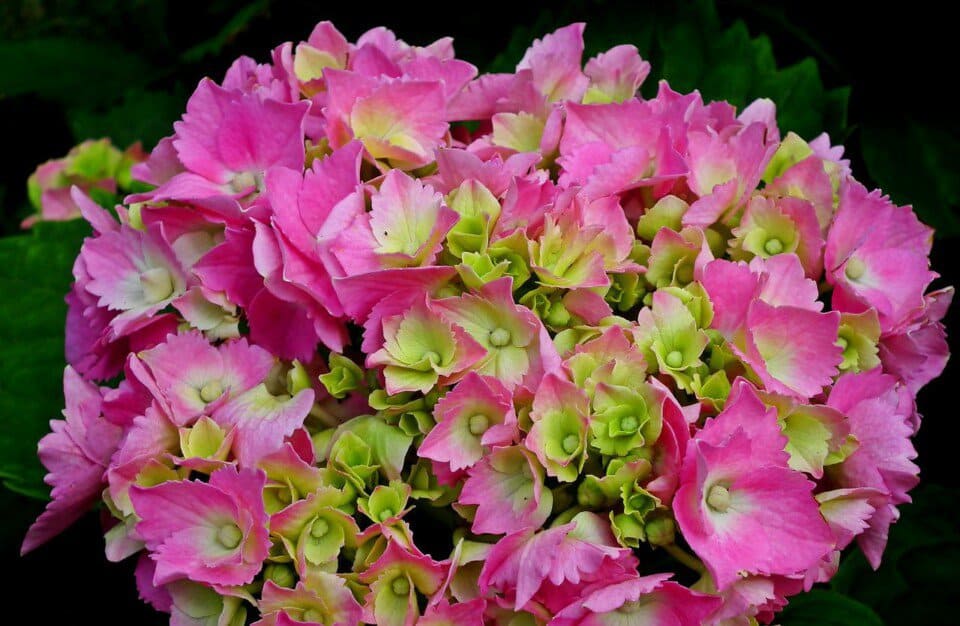
Hydrangeas grow best in USDA hardiness zones 3 through 9, depending on the variety.
Knowing your zone ensures you choose a hydrangea type that thrives in your climate, providing lush blooms and healthy growth throughout the season.
Hydrangeas are beloved for their showy blooms and versatility, but to grow them successfully, the first step is knowing your USDA hardiness zone.
The USDA zone map divides the U.S. into 13 zones based on average minimum winter temperatures, and hydrangeas typically flourish in zones 3 to 9, depending on the species.
Here’s a quick breakdown of the most popular hydrangea types and the zones they thrive in:
| Hydrangea Type | Recommended USDA Zones | Notes |
| Bigleaf (H. macrophylla) | 6–9 | May struggle in colder areas; best for temperate climates |
| Panicle (H. paniculata) | 3–8 | Cold-hardy and reliable, tolerates full sun |
| Smooth (H. arborescens) | 3–9 | Native to North America; adapts well across zones |
| Oakleaf (H. quercifolia) | 5–9 | Prefers the South; requires good drainage |
| Mountain (H. serrata) | 6–9 | Similar to Bigleaf but more compact and cold-tolerant |
Each species has adapted to different conditions, making hydrangeas incredibly flexible. But planting one outside its suitable zone can result in poor blooming, frost damage, or even winter death.
Why Zone Matters for Hydrangeas
Planting hydrangeas in the wrong zone can result in:
- Frost-killed buds (especially for Bigleaf types)
- Root damage in severe winters
- Reduced flowering or no blooms at all
- Stress-induced diseases in hot zones
Whether you’re in the snowy Northeast or the warm Southeast, there’s a hydrangea variety that’s likely to work for your area, you just need to match the plant to the zone.
USDA Hardiness Zones for Hydrangeas: Zones 3–9 Explained
Hydrangeas thrive in USDA zones 3 through 9, but each variety has unique temperature needs.
Understanding these zones helps gardeners pick the right hydrangea and avoid winter damage or summer stress.
The USDA hardiness zone map is the go-to resource for understanding what plants grow where in the U.S.
It divides regions based on their average annual minimum winter temperatures, and hydrangeas are among the most popular shrubs across many of these zones, especially zones 3 to 9.
Let’s break down what each of these zones means for hydrangea care and selection:
USDA Zones 3–4: Coldest Hydrangea Conditions
- Temperature Range: -40°F to -20°F
- Best Hydrangeas: Panicle (Hydrangea paniculata), Smooth (Hydrangea arborescens)
- Tips:
- Choose cold-hardy cultivars like ‘Annabelle’ or ‘Limelight’.
- Mulch heavily in late fall to protect roots from freeze/thaw cycles.
- Avoid Bigleaf types, they often lose buds over winter.
- Choose cold-hardy cultivars like ‘Annabelle’ or ‘Limelight’.
USDA Zones 5–6: Moderate Winters
- Temperature Range: -20°F to 0°F
- Best Hydrangeas: Smooth, Panicle, Oakleaf, Mountain
- Tips:
- Bigleaf hydrangeas can grow here but may need winter protection.
- Late frosts can still damage buds, plant in a sheltered spot.
- Prune carefully to avoid removing buds that form on old wood.
- Bigleaf hydrangeas can grow here but may need winter protection.
USDA Zones 7–9: Milder Winters, Hot Summers
- Temperature Range: 0°F to 30°F
- Best Hydrangeas: Bigleaf, Oakleaf, Mountain
- Tips:
- Prioritize morning sun and afternoon shade to avoid leaf scorch.
- Consistent watering is crucial during summer.
- Mulch to retain soil moisture and regulate temperature.
- Prioritize morning sun and afternoon shade to avoid leaf scorch.
Table: Hydrangea Zone Summary
| Zone | Temperature Range (°F) | Recommended Hydrangea Types | Key Care Notes |
| 3–4 | -40 to -20 | Panicle, Smooth | Cold-hardy only; mulch well in winter |
| 5–6 | -20 to 0 | Panicle, Smooth, Oakleaf, Mountain | Protect tender types from late frosts |
| 7–9 | 0 to 30 | Bigleaf, Oakleaf, Mountain | Needs shade in summer and regular watering |
Understanding your USDA zone is a must when choosing a hydrangea. This ensures you’ll enjoy vibrant blooms and avoid the disappointment of a plant that can’t survive your climate.
Zone-by-Zone Guide: Best Hydrangea Types for Zones 3, 4, 5, 6, 7, 8, 9
Matching hydrangea varieties to your USDA zone ensures healthy growth and brilliant blooms.
From the cold Zone 3 to the balmy Zone 9, this guide helps gardeners choose the perfect hydrangea for their climate.
Each USDA zone presents unique growing challenges, whether it’s harsh winters, fluctuating spring temperatures, or intense summer heat.
Fortunately, hydrangeas come in a variety of species, each suited for specific zones. Let’s take a walk through Zones 3 to 9 and highlight the best hydrangea varieties for each.
Zone 3 – Surviving the Deep Freeze
- Best Types: Panicle, Smooth
- Top Picks: ‘Limelight’, ‘Little Lime’, ‘Annabelle’
- Notes: These cold-hardy varieties can withstand deep freezes and still bloom reliably each summer.
Zone 4 – Hardy Yet Beautiful
- Best Types: Smooth, Panicle
- Top Picks: ‘Incrediball’, ‘Quick Fire’, ‘Pinky Winky’
- Notes: Slightly less severe than Zone 3 but still benefits from mulch and wind protection.
Zone 5 – The Cusp Zone
- Best Types: Panicle, Smooth, Oakleaf
- Top Picks: ‘Tardiva’, ‘Little Quick Fire’, ‘Snow Queen’
- Notes: Bigleaf hydrangeas are possible with some care, choose reblooming types and provide winter protection.
Zone 6 – Hydrangea Heaven
- Best Types: Bigleaf, Panicle, Mountain
- Top Picks: ‘Endless Summer’, ‘BloomStruck’, ‘Zinfin Doll’
- Notes: One of the best zones for growing a wide range of hydrangeas. Most types thrive here with minimal fuss.
Zone 7 – Ideal for Bigleaf and Oakleaf
- Best Types: Bigleaf, Oakleaf, Mountain
- Top Picks: ‘Twist-n-Shout’, ‘Merritt’s Supreme’, ‘Alice’
- Notes: Warm summers mean more consistent blooming. Avoid too much afternoon sun.
Zone 8 – Warm, Bright & Beautiful
- Best Types: Bigleaf, Oakleaf, Mountain
- Top Picks: ‘Nikko Blue’, ‘Cityline Paris’, ‘Ruby Slippers’
- Notes: Hydrangeas thrive here but need shade from harsh midday sun and lots of water in summer.
Zone 9 – Hot and Humid Challenges
- Best Types: Bigleaf, Mountain (selectively)
- Top Picks: ‘All Summer Beauty’, ‘Tuff Stuff Ah-Ha’
- Notes: Choose heat-tolerant cultivars. Oakleafs may struggle with extreme humidity. Provide filtered sun and rich, well-draining soil.
Visual Aid: Zone & Variety Match Table
| Zone | Hydrangea Types | Best Varieties |
| 3 | Panicle, Smooth | ‘Annabelle’, ‘Limelight’ |
| 4 | Smooth, Panicle | ‘Pinky Winky’, ‘Incrediball’ |
| 5 | Panicle, Smooth, Oakleaf | ‘Snow Queen’, ‘Little Quick Fire’ |
| 6 | Bigleaf, Panicle, Mountain | ‘Endless Summer’, ‘Zinfin Doll’ |
| 7 | Bigleaf, Oakleaf, Mountain | ‘Twist-n-Shout’, ‘Alice’ |
| 8 | Bigleaf, Oakleaf, Mountain | ‘Ruby Slippers’, ‘Nikko Blue’ |
| 9 | Bigleaf, Mountain | ‘Tuff Stuff Ah-Ha’, ‘All Summer Beauty’ |
Matching your hydrangea to your zone is one of the simplest but most powerful steps in creating a lush, low-maintenance garden. Get this right, and you’ll enjoy bountiful blooms year after year.
Cold-Hardy Hydrangeas: Thriving in Zones 3 and 4
For gardeners in Zones 3 and 4, cold-hardy hydrangeas like Panicle and Smooth types are the key to reliable blooms.
These tough varieties withstand freezing winters and bounce back with vibrant summer flowers.
If you’re gardening in the northern U.S. where winters bite hard, you might think hydrangeas are off-limits.
But good news, there are cold-hardy hydrangea varieties that not only survive but thrive in USDA Zones 3 and 4. With the right care and variety selection, you can enjoy stunning blooms, even after harsh winters.
Best Cold-Hardy Hydrangea Types
- Panicle Hydrangeas (Hydrangea paniculata)
- Hardiness: Zones 3–8
- Key Traits:
- Large, cone-shaped flowers
- Bloom on new wood (perfect for areas with winter dieback)
- Tolerant of full sun and poor soil
- Large, cone-shaped flowers
- Hardiness: Zones 3–8
Top Cold-Hardy Panicle Varieties:
| Variety | Height | Flower Color | Notes |
| Limelight | 6–8 ft | Lime-green to pink | Cold-tough and very popular |
| Little Lime | 3–5 ft | Same as Limelight | Compact version for small spaces |
| Quick Fire | 6–8 ft | White to pink-red | Early blooming; tough as nails |
- Smooth Hydrangeas (Hydrangea arborescens)
- Hardiness: Zones 3–9
- Key Traits:
- Dome-shaped flower heads
- Also bloom on new wood, ideal for cold recovery
- Native to North America
- Dome-shaped flower heads
- Hardiness: Zones 3–9
Top Cold-Hardy Smooth Varieties:
| Variety | Height | Flower Color | Notes |
| Annabelle | 3–5 ft | White | Classic and reliable bloomer |
| Incrediball | 4–5 ft | Giant white heads | Extra large and sturdy flowers |
| Invincibelle Ruby | 3–4 ft | Deep pink-red | The first truly red smooth hydrangea |
Winter Care Tips for Cold Zones
Even hardy hydrangeas appreciate a little help in freezing temperatures. Here’s how to give yours the best chance at thriving:
- Mulch heavily (3–4 inches) in late fall to insulate roots.
- Avoid pruning in fall or winter, wait until spring for new growth.
- Wrap stems with burlap in exposed areas if winters are especially brutal.
- Choose wind-sheltered planting spots or near south-facing walls.
Growing hydrangeas in Zones 3 and 4 is not only possible, it’s rewarding! With the right hardy varieties and some smart seasonal care, even cold-climate gardeners can enjoy a bold splash of color from early summer to fall.
Bigleaf vs. Smooth vs. Panicle Hydrangeas: Which Suits Your Zone?
Choosing between Bigleaf, Smooth, and Panicle hydrangeas depends on your growing zone, climate, and desired look.
Each type has unique hardiness, bloom habits, and care needs, making some better suited for specific USDA zones than others.
When deciding what hydrangea to plant, it’s easy to get overwhelmed by the variety.
But understanding the core differences between the three most popular types, Bigleaf (H. macrophylla), Smooth (H. arborescens), and Panicle (H. paniculata), can help you make the perfect choice for your zone and landscape goals.
Bigleaf Hydrangea (Hydrangea macrophylla)
- USDA Zones: 6–9 (some varieties in Zone 5 with protection)
- Bloom Time: Late spring to early summer
- Blooms On: Old wood (some rebloom on new wood too)
- Flowers: Mophead or lacecap, often blue, pink, or purple
- Sun Needs: Morning sun, afternoon shade
Pros:
- Color-changing blooms (based on soil pH)
- Large, lush leaves and dramatic flower heads
Cons:
- Sensitive to late frosts
- Inconsistent blooming in colder zones if buds are damaged
Smooth Hydrangea (Hydrangea arborescens)
- USDA Zones: 3–9
- Bloom Time: Mid to late summer
- Blooms On: New wood
- Flowers: Dome-shaped clusters, white or pink
- Sun Needs: Tolerates more sun than Bigleaf
Pros:
- Very cold-hardy
- Reliable bloomer regardless of pruning or winter weather
Cons:
- Less variety in flower colors
- Can flop without support unless it’s a newer sturdy variety
Panicle Hydrangea (Hydrangea paniculata)
- USDA Zones: 3–8
- Bloom Time: Mid-summer through fall
- Blooms On: New wood
- Flowers: Cone-shaped panicles, start white and age to pink/red
- Sun Needs: Full sun to partial shade
Pros:
- Toughest hydrangea, handles sun, cold, and pruning with ease
- Great for beginners in variable climates
Cons:
- Less leaf texture and drama than Bigleafs
- Flower color doesn’t shift with soil pH
Comparison Table: Which Hydrangea Suits Your Zone?
| Hydrangea Type | Best Zones | Blooms On | Flower Style | Cold Hardiness | Sun Tolerance |
| Bigleaf | 6–9 (5 w/ care) | Old/New wood | Mophead/Lacecap | Low–Medium | Medium |
| Smooth | 3–9 | New wood | Dome clusters | High | High |
| Panicle | 3–8 | New wood | Cone-shaped | Very High | Very High |
When in doubt, go with Smooth or Panicle hydrangeas for broader zone success. But if you’re in a milder climate and crave color-changing blooms, Bigleaf hydrangeas are a fantastic pick, with a little extra TLC.
Growing Hydrangeas in Warm Zones (8–10): Tips & Best Practices
Hydrangeas can thrive in warm USDA Zones 8 to 10 with the right care.
Choose heat-tolerant varieties, provide afternoon shade, and keep soil consistently moist to ensure stunning blooms in warmer climates.
While hydrangeas are often associated with cooler, temperate regions, they can flourish in warm zones 8–10, as long as you choose the right varieties and adjust care routines for the heat.
These zones, which include much of the southern U.S. and coastal regions, present challenges like hot summers, dry spells, and intense sunlight, but hydrangeas can still deliver vibrant displays with a few expert tips.
Best Hydrangea Types for Zones 8–10
| Type | Best Varieties for Warm Zones | Notes |
| Bigleaf | ‘Endless Summer’, ‘Nikko Blue’, ‘Cityline Paris’ | Heat-tolerant; needs filtered sunlight |
| Oakleaf | ‘Ruby Slippers’, ‘Snow Queen’, ‘Alice’ | Southern native; handles heat better than others |
| Mountain | ‘Tuff Stuff’, ‘Bluebird’, ‘Tiny Tuff Stuff’ | Compact & better adapted to heat than Bigleaf |
These varieties are known for holding up well in warmer climates, especially when given the proper light and moisture.
Top Tips for Growing in Warm Zones
1. Provide Afternoon Shade
- Direct afternoon sun can scorch leaves and dry out soil fast.
- Ideal locations include east-facing gardens, or under light tree cover that filters light.
2. Keep Soil Moist but Not Soggy
- Hydrangeas love moist soil but will struggle in poorly draining clay.
- Add organic matter like compost or peat moss to improve water retention.
3. Mulch Generously
- A 2–3 inch layer of mulch helps retain soil moisture and keeps roots cool.
- Use bark, pine straw, or composted leaves around the base.
4. Water Deeply and Regularly
- Especially in Zones 9–10, hydrangeas may need watering 3–4 times per week during summer.
- Early morning watering is best to prevent evaporation.
5. Monitor Soil pH for Flower Color
- Bigleaf and Mountain hydrangeas change bloom color based on pH.
- Acidic soil (pH < 6): Blue flowers
- Alkaline soil (pH > 7): Pink flowers
- Acidic soil (pH < 6): Blue flowers
- Use soil acidifiers (like aluminum sulfate) or garden lime to adjust.
Special Considerations for Zone 10
Zone 10 (like parts of Florida and Southern California) is on the edge of what most hydrangeas can tolerate.
Stick with heat-tolerant Bigleaf or Mountain varieties and grow them in large containers if in doubt. That way, they can be moved to shadier or cooler spots as needed.
Hydrangeas might need more pampering in warm climates, but their beauty is well worth it. With some afternoon shade, deep watering, and the right variety, your hydrangeas can become a summer showstopper, even in the hottest zones.
Container Hydrangeas: Zone Considerations & Overwintering Tips
Growing hydrangeas in containers allows gardeners in all zones to enjoy beautiful blooms while easily managing temperature, sun, and soil.
With smart overwintering strategies, even cold-climate gardeners can keep potted hydrangeas thriving year after year.
Whether you’re short on space, dealing with tough soil, or gardening in borderline hardiness zones, container hydrangeas offer unmatched flexibility.
They’re ideal for patios, decks, and balconies, and give you more control over growing conditions like sun exposure, watering, and especially winter protection.
Best Hydrangea Types for Containers
| Hydrangea Type | Top Container Varieties | Container Suitability |
| Bigleaf | ‘Endless Summer’, ‘Mini Penny’ | Compact, reblooming; stunning in pots |
| Mountain | ‘Tuff Stuff’, ‘Tiny Tuff Stuff’ | Small, tidy growth; more cold-tolerant than Bigleaf |
| Smooth | ‘Invincibelle Wee White’, ‘Incrediball Blush’ | Hardy and forgiving; do well in large planters |
| Panicle | ‘Little Lime’, ‘Bobo’ | Sturdy stems and adaptable to pot culture |
Choose a compact or dwarf cultivar when growing in pots, they’re easier to manage and less likely to outgrow your container.
Container Tips for All Zones
1. Choose the Right Pot
- At least 16–20 inches wide and deep.
- Use containers with good drainage holes to avoid root rot.
2. Use Premium Potting Mix
- A lightweight, well-draining mix is essential.
- Add organic compost for water retention and nutrients.
3. Water Consistently
- Potted plants dry out faster, especially in summer.
- Hydrangeas prefer consistently moist soil, but not soggy.
4. Fertilize Sparingly
- Apply a balanced, slow-release fertilizer in early spring.
- Avoid overfeeding, which can lead to leaf growth over blooms.
Overwintering Potted Hydrangeas by Zone
| Zone | Overwintering Strategy |
| 3–5 | Move pots into unheated garages, basements, or bury pots in-ground |
| 6–7 | Wrap pots with burlap and mulch, or cluster together against a wall |
| 8–10 | Leave outdoors but shade roots and water sparingly during dry spells |
Bonus Tip: Water your hydrangea lightly once a month in winter if stored in a garage or shed, it helps prevent root dehydration.
Growing hydrangeas in containers gives you more freedom and flexibility, especially if you live in an area with temperature extremes.
With smart care and protection during winter, your potted hydrangeas can thrive and bloom beautifully year after year.
How to Check Your Planting Zone & Choose Hydrangeas Accordingly
Knowing your USDA hardiness zone is the first step to choosing hydrangeas that will thrive in your climate.
Use simple online tools and match your zone to recommended hydrangea varieties to enjoy consistent blooms and healthy growth.
Many beginner gardeners ask, “What zone am I in?”, and it’s a great question. Your USDA planting zone determines which hydrangea varieties can grow and bloom in your region without suffering from frostbite, root loss, or heat stress.
How to Check Your USDA Hardiness Zone
The USDA Plant Hardiness Zone Map is the most reliable tool. Here’s how to use it:
- Go to https://planthardiness.ars.usda.gov/
- Enter your ZIP code into the search bar.
- The map will display your exact zone number (e.g., Zone 6b, Zone 8a).
You can also find zone maps on most major gardening sites, or printed on plant tags at garden centers.
How Zones Affect Your Hydrangea Choice
Each USDA zone reflects the average annual minimum winter temperature. If you plant a hydrangea that isn’t suited to your zone, you risk losing it to frost or heat.
| Zone | Temperature Range (°F) | Best Hydrangea Types |
| 3–4 | -40 to -20 | Panicle, Smooth |
| 5–6 | -20 to 0 | Smooth, Panicle, Oakleaf |
| 7–9 | 0 to 30 | Bigleaf, Oakleaf, Mountain |
| 10 | 30 to 40 | Select Bigleaf or container varieties |
Why Matching Zone to Plant Matters
- Winter protection: In colder zones, choose varieties that bloom on new wood.
- Sunlight and heat: In warmer zones, select varieties that tolerate full sun and higher temps.
- Container options: If your zone is on the edge, go for potted hydrangeas that can be moved indoors.
Matching your hydrangea to your planting zone is like giving it a head start, it reduces stress, boosts flowering, and gives you a healthier, more resilient plant.
Zone Map Tools for Selecting the Right Hydrangea Variety
Using interactive zone map tools helps gardeners quickly match hydrangea types to their local climate.
These free online resources take the guesswork out of variety selection, ensuring healthier plants and vibrant blooms.
Best Zone Map Tools for Gardeners
| Tool/Website | Key Features |
| USDA Plant Hardiness Map | Search by ZIP code; detailed color-coded map with zone overlays |
| Arborday.org Zone Finder | User-friendly; offers plant recommendations by zone |
| Monrovia Plant Finder | Matches plants (including hydrangeas) by zone, sun, soil type, and height |
| Garden.org Plant Finder | Extensive plant database with zone-based filters |
| Missouri Botanical Garden | Trusted plant profiles with detailed zone and care requirements |
How to Use These Tools Effectively
- Enter Your Location or ZIP Code
Get your exact zone and temperature range.
- Filter Plants by Zone
Narrow your search to hydrangea varieties known to perform well in your zone.
- Match Other Conditions
Use advanced filters for sun exposure, bloom time, and size to fine-tune your plant list.
- Look for “Zone Tags” on Plants in Nurseries
Most nurseries include hardiness zones on plant labels. If a hydrangea tag says “Zones 5–9,” you’ll know instantly if it works in your area.
Pro Tip: Bookmark a Zone Tool
Save your favorite zone tool (like the Monrovia or USDA site) so you can quickly reference it whenever you’re planning a new garden bed, shopping for plants, or checking if a hydrangea needs winter protection.
These tools empower even beginner gardeners to make confident, climate-smart decisions, and avoid costly mistakes like planting a tropical hydrangea in a snow-prone region.
Winter Protection Strategies by Zone for Hydrangeas
Winter care for hydrangeas varies by USDA zone. While hardy types like Panicle and Smooth may need minimal help, Bigleaf and Mountain hydrangeas often require insulation, wrapping, or indoor protection in colder zones to preserve buds and prevent dieback.
Even the toughest hydrangea can benefit from some winter prep, especially in colder regions.
Whether you’re in frosty Zone 3 or a mild Zone 9, your plant’s survival and bloom performance next season depends on how well it weathers the cold.
Winter Protection by USDA Zone
| Zone | Winter Threat | Protection Tips |
| 3–4 | Deep freeze, soil heaving | Mulch 3–4″, wrap stems in burlap, avoid fall pruning |
| 5–6 | Late frosts, fluctuating temps | Protect Bigleaf buds with cages/burlap, mulch roots, consider windbreaks |
| 7–8 | Occasional freezes | Light mulch, prune in spring only, no special wrapping needed |
| 9–10 | Mild winters, dry conditions | Water during dry spells, protect roots from sunburn with mulch or ground cover |
Specific Strategies for Popular Hydrangeas
Bigleaf & Mountain Hydrangeas
- Bloom on old wood, so bud protection is critical.
- Use wire cages filled with leaves to insulate the plant.
- In Zones 5 and below, consider covering with burlap or frost blankets.
Smooth & Panicle Hydrangeas
- Bloom on new wood, no need to worry about preserving buds.
- Just add 2–3 inches of mulch around the base to protect roots.
Container-Grown Hydrangeas
- In cold zones, move pots into unheated garages or basements.
- If left outside, wrap the entire container with insulation like straw or bubble wrap.
Don’t Prune Too Early!
- One of the most common mistakes is pruning in fall or early winter.
- Wait until late winter or early spring when new buds appear.
Quick Checklist: Winterizing Your Hydrangea
- Apply mulch around the base (especially in Zones 3–6)
- Protect old wood bloomers (Bigleaf/Mountain) with covers or cages
- Avoid pruning until early spring
- For containers, move or wrap pots based on your zone
- Water occasionally in dry, warm winters (Zones 9–10)
No matter your zone, giving your hydrangeas a little winter TLC can make all the difference in how they bounce back in spring. With a proactive approach, your shrubs will stay healthy, vibrant, and blooming beautifully year after year.
Final Thoughts
Understanding and matching USDA hardiness zones is vital for hydrangea success, these beloved shrubs truly flourish when planted in climates that suit their cold and heat tolerance, sun and soil needs.
rom the frigid winters of zone 3 to the sultry climates of zone 9, there’s a hydrangea for every gardener, and knowing your zone helps you choose wisely.
- Zones 3–4: Cold-hardy Smooth and Panicle hydrangeas (e.g., ‘Annabelle’, ‘Limelight’) are your best bets, tough enough to handle deep freezes and still deliver beautiful blooms.
- Zones 5–6: You can add Oakleaf and reblooming Bigleaf varieties, but beware of late spring frosts that may harm old-wood bloomers.
- Zones 7–9: All hydrangea types can flourish here, with smart placement in morning sun and afternoon shade, along with consistent moisture, your garden can host a stunning variety of hydrangeas.
To sum up:
- Know your zone – It’s the foundation of choosing the right hydrangea.
- Pick the right type for your climate – Buds on new wood (Smooth, Panicle) are safer in colder zones; old wood bloomers (Bigleaf, Mountain) shine in milder climates.
- Match culture to environment – Consider sun exposure, soil moisture, and winter protection as you plant.
- Embrace microclimates – Utilizing sheltered spots or containers can push the boundaries of hardiness.
By choosing a hydrangea suited to your USDA zone, and pairing it with site-savvy care (think watering, mulch, pruning, and winter TLC), you’ll set the stage for a garden full of lush foliage and vibrant blooms year after year.
Gardening is as much about understanding your climate as loving your plants, and with hydrangeas, that synergy always leads to success.