
Everything you need to know about how to care for an acer tree, from soil and watering through to feeding, pruning, and year-round maintenance
Acer trees, and Japanese maples in particular, are among the most rewarding ornamental trees you can grow in a UK garden.
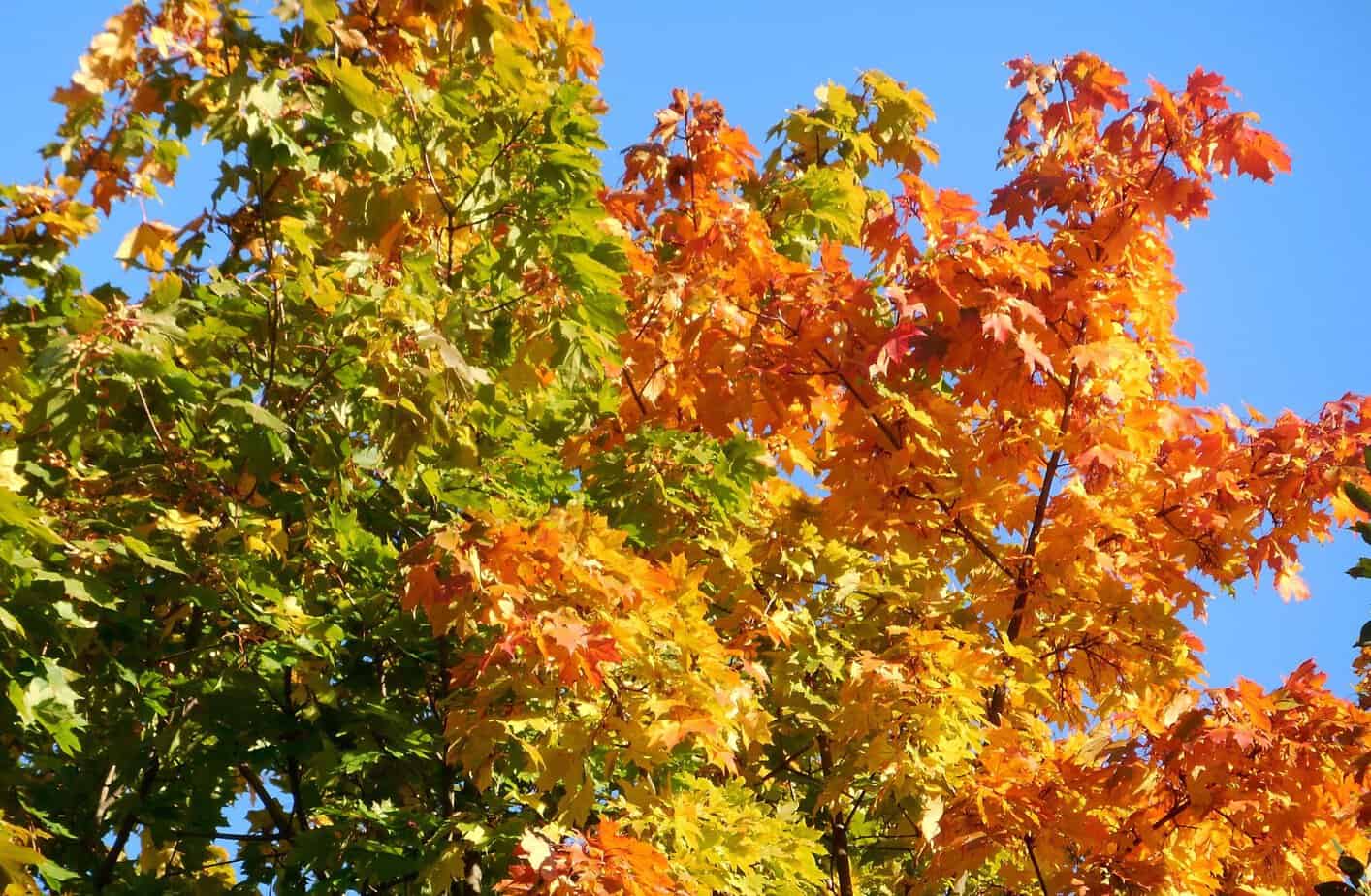
Their year-round seasonal interest is unmatched: the extraordinary spring emergence of new leaves in shades of crimson, copper, and gold; the rich summer canopy that provides dappled shade and structural planting; and the autumn colour display that turns a garden into something genuinely spectacular.
They are also trees with a well-deserved reputation for being slightly demanding, and that reputation is largely justified.
An acer tree that is planted correctly, watered appropriately, fed at the right time with the right product, and given the right soil will grow steadily and impressively for decades.
An acer tree that is overwatered, fed too heavily, planted in the wrong soil, or placed in the wrong position will develop problems that, once established, can be difficult to reverse.
The key to successful acer tree care is not complexity but precision: a small number of things done correctly, consistently, and at the right time of year.
This complete acer tree care guide covers every aspect of how to care for an acer tree: the best soil for acer trees, how to water an acer tree without causing root rot or scorch, acer tree fertiliser choices and timing, pruning, pest and disease management, overwintering, container care, and a month-by-month maintenance calendar for UK gardeners.
Whether you have a newly purchased acer in a pot or a long-established Japanese maple in a garden border, this guide will give you the knowledge to care for it with confidence.
Acer Tree Care: At a Glance
| Care Aspect | Ideal Conditions | Most Common Mistake |
| Light | Bright indirect; morning sun; afternoon shade for most varieties | Full afternoon sun causes leaf scorch; deep shade causes colour loss |
| Soil | Slightly acidic, fertile, free-draining; pH 5.5 to 6.5 | Heavy clay or alkaline soil causes nutrient lockout and poor drainage |
| Watering | Deep, infrequent watering; check soil before watering | Overwatering and waterlogged roots cause Verticillium wilt and root rot |
| Feeding | Light feed in early spring; potassium-rich after leafing | High-nitrogen feeds cause soft growth; late feeding creates frost-vulnerable shoots |
| Mulching | 7 to 10 cm of organic mulch over full root zone annually | Mulching against the trunk causes crown rot |
| Pruning | Late autumn to midwinter when fully dormant | Pruning in spring or summer causes heavy sap bleeding |
| Pests | Aphids and scale insects most common; generally robust | Harsh chemical insecticides cause phytotoxic leaf damage |
| Container care | Repot every 2 to 3 years; snug pot; ericaceous compost | Oversized pot causes waterlogging; forgetting to water in summer heat |
| Overwintering | Hardy once established; protect newly planted trees in first winter | Allowing containers to freeze solid damages roots |
Understanding Acer Trees: What You Are Growing
The word acer is the Latin genus name for the maple family, which contains around 128 species distributed across the temperate regions of the Northern Hemisphere.
In UK garden usage, acer almost always refers to Acer palmatum, the Japanese maple, and its close relatives Acer japonicum and Acer shirasawanum.
These are the ornamental understorey acers, characterised by their palmate leaves, their spectacular colouring, and their sensitivity to certain growing conditions.
They are distinct from the large canopy acers such as Acer pseudoplatanus (sycamore), Acer platanoides (Norway maple), and Acer campestre (field maple), which are much larger, considerably more robust, and require a quite different approach to care.
Unless this guide specifically states otherwise, the care advice throughout refers to the ornamental Japanese maple group, primarily Acer palmatum and its hundreds of named cultivars.
Acer palmatum is native to Japan, Korea, China, and parts of Russia, where it grows as an understorey tree beneath the canopy of larger forest species.
This natural habitat, sheltered from intense direct sun, in cool moist soil rich in organic matter, with good drainage and moderate but consistent moisture, is the template against which every care decision should be measured.
The tree is long-lived: a well-sited and properly cared-for Japanese maple can remain in the same garden for fifty to one hundred years, improving steadily in form and presence throughout its life.
Popular Acer Varieties and Their Care Considerations
| Variety | Type | Key Feature | Special Care Note |
| Bloodgood | Upright palmatums | Deep crimson leaves; reliable; widely available | One of the most sun-tolerant Japanese maples |
| Crimson Queen | Dissectum (weeping) | Deeply cut feathery red leaves; graceful habit | Most sensitive to sun and wind; needs sheltered position |
| Garnet | Dissectum (weeping) | Rich garnet-red laceleaf; very popular | Provide afternoon shade; sheltered from wind |
| Sango Kaku | Upright palmatums | Coral-red bark; winter interest | Particularly attractive in morning sun that highlights the bark |
| Osakazuki | Upright palmatums | Famous autumn colour; green summer leaves | Very reliable; better sun tolerance; classic choice |
| Orange Dream | Upright palmatums | Orange-yellow spring colour | Benefits from morning sun for best spring colour development |
| Katsura | Compact upright | Orange and pink spring leaves; compact | Excellent container variety; same care as standard palmatums |
| Waterfall | Dissectum (weeping) | Green laceleaf; pale autumn colour | Shade-tolerant; good for north-east positions |
| Aureum (shirasawanum) | Upright | Golden-green leaves; bowl-shaped growth | Morning sun essential for colour; protect from afternoon sun |
Best Soil for Acer Trees
Why Soil Choice Is Foundational
Of all the decisions you make when growing acer trees, the soil you plant them in, or the growing medium you use in a container, has the greatest long-term influence on their health.
An acer tree in the right soil with imperfect watering and feeding will often perform reasonably well.
An acer tree in the wrong soil will struggle regardless of how carefully you water and feed it, because the soil itself is preventing the roots from functioning as they should.
The ideal soil for acer trees has four key characteristics: it is slightly acidic, it drains freely, it retains some moisture between waterings, and it is rich in organic matter.
Getting all four of these right simultaneously is the goal, and the good news is that a single amendment strategy achieves all of them.
Soil pH: Why It Matters for Acer Trees
Acer palmatum and its related ornamental species perform best in slightly acidic soil with a pH between 5.5 and 6.5.
Within this range, the full spectrum of nutrients that acer trees require, including iron, manganese, and other micronutrients alongside the main macronutrients of nitrogen, phosphorus, and potassium, is freely available in the soil solution and can be absorbed by the roots.
When the soil pH rises above 6.5 toward neutral and alkaline conditions, iron and manganese become increasingly locked in the soil in chemical forms the roots cannot absorb.
The result is iron chlorosis: leaves that yellow between the veins while the veins themselves remain green, eventually browning and dropping.
This is an extremely common problem in UK gardens, particularly on chalk and limestone soils and in areas where builders lime has been used in or near the garden.
The single most useful thing you can do before planting an acer tree is to test your soil pH.
Inexpensive home test kits are widely available and give a sufficient level of accuracy for garden use.
If the pH is above 6.5, corrective action before planting, whether through soil amendment or the use of an ericaceous compost mix, will prevent years of chronic nutritional problems.
Soil Texture and Drainage
Free drainage is the second most critical soil characteristic for acer trees.
Acer palmatum evolved in well-drained mountain and forest soils that receive regular rainfall but allow water to percolate away quickly.
Its root system, which is relatively shallow and fibrous, is not designed to tolerate extended periods of waterlogging.
Heavy clay soils present the greatest drainage challenge for acer trees in UK gardens.
Clay soils compact easily, hold water for extended periods after rain, and in wet winters can maintain waterlogged conditions around acer roots for weeks at a time.
This creates the anaerobic conditions that favour the Phytophthora and Verticillium species responsible for the two most serious diseases of acer trees.
If your garden has heavy clay soil, the investment of time and materials in improving it before planting will pay dividends for the entire life of the tree.
Work in a generous volume of coarse horticultural grit (approximately 20 per cent by volume of the planting area) and well-rotted compost in equal measure.
Planting the acer on a very slight mound, where the top of the root ball sits 5 to 10 centimetres above the surrounding ground level, provides additional drainage improvement and is a technique used by many specialist acer nurseries.
Sandy soils present the opposite challenge: they drain too freely and dry out rapidly in summer, increasing the risk of drought stress and leaf scorch.
For sandy soils, the priority is increasing moisture retention through generous incorporation of well-rotted compost and the application of a deep mulch over the root zone.
Best Soil Mix for Garden-Grown Acer Trees
For acer trees in garden borders, the ideal soil preparation involves digging a planting hole at least twice the width of the root ball and the same depth.
Backfill with a mixture of approximately half the original excavated soil and half well-rotted garden compost or leaf mould.
If the original soil is heavy clay, incorporate coarse horticultural grit at a ratio of roughly one part grit to four parts soil-compost mixture.
Do not use fine sand as a drainage amendment, as fine sand in clay soil actually worsens compaction over time.
The finished soil level should be such that the top of the root ball is level with, or very slightly above, the surrounding ground.
Do not backfill over the top of the root ball, as this can lead to the crown sitting in consistently moist soil.
Best Soil Mix for Container-Grown Acer Trees
Container-grown acer trees need a growing medium that balances moisture retention, drainage, and fertility more carefully than a garden border, because the limited volume of compost in a pot is the only resource available to the roots.
A standard multipurpose compost is not ideal for acer trees as it can become compacted over time, often contains lime, and may not maintain the slightly acidic pH that acer roots need.
The best approach is to use a purpose-formulated ericaceous compost as the base, which provides the correct pH and a suitable open texture, then improve it further by mixing in approximately 20 per cent by volume of fine bark chips or perlite to enhance drainage and aeration.
Adding a small amount of slow-release granular fertiliser formulated for acid-loving plants at the time of potting provides a background nutrition level that reduces, though does not eliminate, the need for supplementary liquid feeding.
Soil for containers should be refreshed by repotting every two to three years, as the organic content gradually decomposes and the compost becomes progressively more compacted and less effective at drainage.
| Soil Situation | Recommended Action | Key Amendment | Result |
| Heavy clay garden soil | Incorporate grit and compost before planting; plant on slight mound | Coarse horticultural grit at 20%; well-rotted compost | Improved drainage; reduced waterlogging risk |
| Sandy / free-draining soil | Incorporate generous compost; deep mulch over root zone | Well-rotted compost or leaf mould at 30 to 40% | Improved moisture retention; reduced drought stress |
| Alkaline soil (pH above 6.5) | Lower pH before planting; use ericaceous amendments | Garden sulphur or ericaceous compost incorporated in planting hole | Correct pH unlocks iron and micronutrients |
| Container compost | Use ericaceous compost with perlite or bark added | 20% perlite or fine bark chips mixed in | Correct pH; improved drainage; reduced compaction |
| Ideal loamy garden soil | Minimal intervention; enrich with compost | Annual mulch of leaf mould or composted bark | Maintained fertility and soil structure |
How to Water an Acer Tree
The Watering Principles That Apply to All Acer Trees
Watering is the aspect of acer tree care that most growers find hardest to get right, primarily because the tree gives clear signals in response to both underwatering and overwatering, and those signals can look deceptively similar.
Both drought stress and root rot cause leaf browning and wilting, which means that applying more water to a tree that is already suffering from overwatering, a very common and very damaging mistake, will accelerate the decline rather than help it.
The foundation of correct acer watering is understanding that this tree prefers a cycle of moderate drying followed by thorough, deep wetting, rather than consistently wet conditions.
In the cool, moist mountain forests of Japan where Acer palmatum evolved, rainfall is plentiful but the well-drained, organic-rich soils drain quickly between events.
The roots experience regular moisture but never prolonged waterlogging.
Replicating this pattern in a UK garden means watering deeply and then allowing the soil to partially dry before watering again, rather than maintaining permanently wet conditions around the roots.
How Often to Water an Acer Tree
There is no single watering schedule that works for all acer trees in all conditions, because the rate at which the soil dries depends on soil type, tree size, temperature, rainfall, and whether the tree is in a container or open ground.
The most reliable guide is the soil itself.
Push your finger into the soil to a depth of 5 to 8 centimetres at the edge of the root zone: if the soil feels moist at this depth, no watering is needed; if it feels dry or barely damp, it is time to water.
For garden-grown acer trees in reasonable UK conditions, this typically means supplementary watering is needed every seven to ten days during dry periods in summer and every ten to fourteen days in spring and early autumn.
During the UK’s increasingly common summer heat waves, watering every three to five days may be necessary, particularly for trees in exposed positions or shallow soils.
Container-grown acer trees dry out significantly faster than garden-grown ones, as the limited compost volume heats up in sunlight and loses moisture rapidly.
In hot summer weather, a container acer may need watering every two to three days, and checking daily is the only way to avoid both overwatering and underwatering.
In winter, both garden and container-grown acer trees need very little supplementary water as growth has stopped and evapotranspiration is minimal.
Garden trees typically need no supplementary watering from November through to March.
Container trees should be watered approximately once every two to three weeks through winter, just enough to prevent the compost from drying out completely.
How to Water Correctly: Technique Matters
Deep, infrequent watering is significantly more effective than frequent shallow watering for acer trees.
When you water, the goal is to wet the soil to the full depth of the root zone, which for an established garden tree means penetrating to 30 to 40 centimetres.
A slow, deep watering using a soaker hose, a drip irrigation system, or a hose held at the base of the tree running slowly for 20 to 30 minutes achieves this far more effectively than a quick spray from a watering can.
Apply the water to the soil around the base of the tree rather than directly at the trunk, spreading it over an area equivalent to the spread of the canopy above.
The majority of the acer’s feeder roots are located in the upper 30 centimetres of soil within and just beyond this canopy drip zone, and that is where the water needs to reach.
Avoid watering from above with a strong jet, as this can compact the soil surface and is largely ineffective at penetrating to root depth.
Never water cold water directly from the tap onto a tree that has been sitting in hot sun: the temperature shock can stress the fine root hairs.
Leaving water in a watering can for an hour or using water from a water butt that has had time to reach ambient temperature is a sensible precaution during very hot weather.
Newly Planted Acer Trees: The Critical First Two Years
A newly planted acer tree, whether going into the ground or into a new container, needs significantly more attentive watering in its first two growing seasons than an established specimen.
Until the root system has spread outward into the surrounding soil, the tree cannot access the broader moisture reserves available to an established plant.
Water a newly planted garden acer tree thoroughly at planting, then water again every three to four days for the first three weeks, tapering to weekly thereafter during dry periods.
During the first summer after planting, treat the tree as if it is in a container in terms of watering attentiveness: check the soil frequently and do not assume that because it has rained, the root zone is adequately moistened.
Heavy rain on a dry soil often runs off the surface without penetrating to root depth, and newly planted trees in very dry soil are particularly vulnerable to this effect.
| Mulching: The Most Valuable Single Maintenance Task The single most effective way to reduce your acer tree’s watering requirements and protect its roots from both drought and waterlogging is to apply a deep organic mulch over the entire root zone. A 7 to 10 centimetre layer of well-rotted bark, leaf mould, or composted wood chip, applied annually in spring and topped up in autumn, will reduce soil moisture evaporation by up to 70 per cent, regulate soil temperature, suppress weeds that compete for moisture, and gradually improve soil structure as it breaks down. Keep the mulch at least 10 centimetres clear of the trunk to prevent crown rot. |
| Situation | Watering Frequency | Notes |
| Garden acer, established, UK summer (dry) | Every 7 to 10 days | Deep watering to 30 to 40 cm depth each time |
| Garden acer, established, UK summer (heat wave) | Every 3 to 5 days | Check soil at 5 to 8 cm depth; water when dry |
| Garden acer, established, UK spring / autumn | Every 10 to 14 days if dry | Often not needed if rainfall is adequate |
| Garden acer, established, UK winter | None to very infrequent | Only water if extended dry frost-free period |
| Newly planted garden acer, first summer | Every 3 to 4 days for first 3 weeks; then weekly in dry spells | Critical establishment period; do not skip |
| Container acer, summer (normal) | Every 2 to 3 days | Check daily in hot weather; check by finger test |
| Container acer, summer (heat wave) | Daily or every other day | Container compost dries very rapidly in heat |
| Container acer, spring / autumn | Every 3 to 5 days | Reduce as temperatures fall |
| Container acer, winter | Every 2 to 3 weeks | Just enough to prevent compost drying completely |
Acer Tree Fertiliser: What, When, and How to Feed
Do Acer Trees Actually Need Feeding?
Acer trees are not heavy feeders, and one of the most common mistakes made with them is applying too much fertiliser rather than too little.
An established Japanese maple in a good garden soil that is mulched annually with well-rotted organic matter will often need no supplementary fertiliser at all, as the mulch provides a slow, steady release of nutrients that is sufficient for the tree’s modest requirements.
Container-grown acer trees have higher fertiliser needs than garden-grown ones, as regular watering leaches nutrients from the compost over time and the limited compost volume contains finite nutrient reserves.
For container acers, regular but light feeding through the growing season is important.
For garden-grown acers, a single, carefully chosen feed at the right time of year is usually all that is needed.
Choosing the Right Acer Tree Fertiliser
The choice of fertiliser for acer trees matters significantly because the NPK ratio (the balance of nitrogen, phosphorus, and potassium) in a fertiliser has a direct effect on what the tree prioritises in its growth.
Nitrogen drives vigorous leafy growth.
Phosphorus supports root development and flowering.
Potassium supports overall plant health, hardening of woody tissue, drought resistance, and the quality of autumn colour.
For acer trees, high-nitrogen fertilisers such as lawn feeds, general-purpose feeds with a high first number in the NPK ratio, and fresh manure should be avoided.
Excess nitrogen produces a flush of soft, lush, dark green vegetative growth that is vulnerable to late frost damage in spring and to fungal diseases, and it actively reduces the quality of leaf colouring in both red varieties and in autumn.
The ideal fertiliser for most acer tree applications is a balanced formulation with a moderate or low first number (nitrogen) and a relatively higher potassium content.
Specifically formulated slow-release fertilisers for Japanese maples or for acid-loving ornamental trees are available from specialist suppliers and are the most convenient option.
A proprietary ericaceous plant food, typically a balanced liquid formulation designed for acid-loving plants like rhododendrons and azaleas, is an excellent general-purpose option for both garden and container acer trees and is widely available in UK garden centres.
For the spring feed of an established garden tree, a slow-release granular fertiliser applied at the base of the tree within the drip zone and lightly raked in will provide sustained nutrition through the growing season without the risk of nutrient excess at any one time.
| Fertiliser Type | Best For | Timing | Notes |
| Slow-release granules for acid-loving plants | Garden-grown acers; established trees | Single application in early spring | Long-lasting; low maintenance; safest for established trees |
| Ericaceous liquid feed | Container acers; new plantings | Every 4 to 6 weeks spring through late summer | Easy to control; can be adjusted based on plant response |
| Balanced organic (fish, blood and bone) | Garden acers; improving soil health | Spring; can also be used in early summer | Gentler release; improves soil biology as well as feeding |
| Seaweed extract | Any acer, especially stressed or newly planted | Every 3 to 4 weeks through growing season | Provides micronutrients and trace elements; not a primary feed |
| Well-rotted garden compost (mulch) | All acer trees, in ground | Applied annually as mulch in spring and autumn | Ideal long-term fertility maintenance; improves soil structure |
| High-nitrogen feed (lawn food, fresh manure) | Not recommended | N/A | Causes soft growth; reduces colour; increases frost and disease risk |
When to Feed an Acer Tree
The timing of acer tree fertiliser applications is as important as the choice of fertiliser.
The first and most important feed is in early spring, applied just as the buds begin to swell and before the leaves have fully emerged.
This timing ensures that the nutrients are available at the point when the tree is beginning its most active period of growth and can use them most effectively.
A second, lighter feed can be applied after the leaves have fully developed, typically in late May or early June in the UK.
This supports the summer growing season and maintains the quality of the foliage colour.
No fertiliser should be applied after the end of July in the UK.
Feeding in late summer or autumn stimulates soft new growth that has insufficient time to harden before the first frosts, making the tree significantly more vulnerable to frost damage.
It can also delay the onset of dormancy, which is not desirable in a deciduous tree that needs to prepare properly for winter.
In winter, no feeding of any kind should be applied: the tree is dormant, its root activity is minimal, and any nutrients applied will simply leach from the soil with winter rainfall.
| Fertiliser Dosing Rule: Less Is More When in doubt about how much fertiliser to apply, always use half the recommended dose. With acer trees, it is significantly easier to correct under-feeding (which typically shows as pale foliage or slow growth) than to reverse over-feeding (which can cause fertiliser burn and stimulate the kind of soft, vulnerable growth that invites disease and frost damage). Start conservatively and increase if the tree’s response indicates it would benefit from more. |
Mulching Acer Trees: The Underrated Essential
Mulching is perhaps the most consistently undervalued maintenance task for acer trees, yet it provides more benefits per hour of effort than almost any other care activity.
A correctly applied mulch layer over the root zone of an acer tree simultaneously addresses moisture retention, soil temperature regulation, weed suppression, soil improvement, and root zone protection.
These are benefits that no other single action can replicate.
What to Use as Mulch
Well-rotted bark chip is the most practical and widely available mulch material for acer trees in the UK and is suitable for both garden borders and the surface of large container pots.
It is coarse enough to allow air and water to penetrate while breaking down slowly to improve soil structure and slightly acidify the soil as it decomposes, which is beneficial for acer roots.
Leaf mould, which is produced by allowing fallen leaves to decompose in a wire cage or bin over one to two years, is arguably the ideal mulch for acer trees, closely replicating the natural leaf litter layer of the forest floor habitat.
It is free to produce and outstanding at improving soil texture, retaining moisture, and providing the gentle, slow nutrient release that acer trees prefer.
Well-rotted garden compost is also effective as a mulch and simultaneously provides nutrients as it breaks down.
Avoid fresh wood chip, particularly chip produced directly from diseased wood, as this can introduce Armillaria (honey fungus) and other wood-rot pathogens.
Avoid mushroom compost, which is alkaline and will raise soil pH, directly opposing the slightly acidic conditions acer roots need.
Avoid peat moss: it has a very high moisture-holding capacity but contributes little nutritionally and is an environmentally unsustainable product.
How to Apply Mulch Correctly
Apply mulch to a depth of 7 to 10 centimetres over the entire root zone, which extends roughly to the drip line of the canopy.
For young or newly planted trees, maintaining a mulched area of at least one metre radius from the trunk is a minimum.
For larger established trees, extending the mulch to the full canopy drip line provides the maximum benefit.
The single most important rule is to keep the mulch at least 10 to 15 centimetres clear of the trunk.
Mulch piled against the trunk creates permanently moist conditions at the crown, which is the primary cause of crown rot and provides an ideal entry point for fungal pathogens.
The mulch should look like a doughnut around the tree, with a clear gap at the centre around the trunk.
Refresh the mulch layer annually, adding new material in spring before the growing season begins and again in autumn after leaf fall.
The spring application retains soil moisture as temperatures rise; the autumn application regulates soil temperature as it drops and protects surface roots from hard frosts.
Pruning Acer Trees: When, Why, and How
Do Acer Trees Need Pruning?
Japanese maples and other ornamental acer trees generally have a naturally beautiful form and do not require regular, heavy pruning in the way that many other garden trees and shrubs do.
The ideal approach is minimal intervention: allowing the tree to develop its natural structure while removing only what is necessary.
That said, there are specific situations where pruning is appropriate and beneficial, and knowing when to prune an acer tree is one of the most important care decisions you will make.
The Golden Rule: Prune When Dormant
Acer trees bleed sap heavily if pruned when the sap is rising or actively flowing, which occurs from late winter through to autumn.
Heavy sap bleeding from a pruning wound does not usually kill the tree but weakens it significantly, encourages fungal infection at the wound site, and can continue for weeks, draining the tree’s energy reserves.
The correct time to prune acer trees is during full dormancy, from late autumn after the leaves have fallen through to midwinter, generally from November to January in the UK.
At this time, the sap is not rising, wounds seal more cleanly, and the risk of fungal infection is lower.
Avoid pruning in early spring as the buds begin to swell, as sap movement is already increasing by this point.
Avoid pruning in summer, when the tree is in full leaf and sap pressure is at its highest.
What to Prune and Why
Dead, damaged, and diseased wood: Removing dead, damaged, or diseased branches is the highest-priority pruning task and should be done whenever it is needed, even outside the ideal dormant pruning window, as leaving dead or diseased wood in the tree creates a foothold for pathogens that can spread to healthy tissue.
Crossing branches: Branches that cross and rub against each other eventually cause wounds at the contact points that are entry sites for disease. Remove the less well-positioned of any two crossing branches during the dormant pruning period.
Inward-growing stems: Stems that grow toward the centre of the tree rather than outward reduce air circulation within the canopy, which increases the risk of fungal diseases. Removing them progressively opens the crown and improves health.
Reverted green growth on red varieties: Occasionally, particularly on some red-leafed Japanese maples, a stem will produce plain green leaves rather than the coloured foliage of the rest of the tree. This reversion, if not removed, can spread to dominate the tree over time as the green shoots tend to be more vigorous. Remove any reverted green growth promptly when noticed, cutting back to the main stem or a branch clearly showing the correct coloured leaves.
Shaping and size management: If the tree is outgrowing its position, gentle shaping to contain its spread is acceptable but should be done conservatively and over several years rather than as a single heavy reduction. Never remove more than one third of the canopy in a single season.
Pruning Technique
Always use sharp, clean tools when pruning acer trees.
Clean secateurs, loppers, or a pruning saw before use by wiping the blades with diluted bleach solution or isopropyl alcohol.
This prevents the transfer of fungal spores from other plants or from previously cut diseased wood.
Make clean cuts at a slight angle just above a bud or branch junction.
Ragged or torn cuts take longer to seal and provide larger entry points for infection.
For cuts larger than approximately 2 centimetres in diameter, applying a proprietary wound sealant paste immediately after cutting provides additional protection against fungal infection, though research on the effectiveness of wound sealants is mixed.
Monitor sealed cuts over the following weeks and ensure no oozing or fungal growth develops around the wound margin.
Acer Tree Pests and Diseases: Identification and Management
Common Pests Affecting Acer Trees
Acer palmatum and related ornamental acers are relatively resistant to pests compared to many other ornamental trees, but they are not immune.
The following pests are the most commonly encountered in UK gardens.
Aphids: The most common pest on Japanese maples, aphids typically appear in spring and early summer on new growth.
They colonise the undersides of young leaves and around growing tips, feeding by piercing the tissue and extracting sap.
Heavy infestations cause leaf distortion, curling, and a general dull, unthrifty appearance.
The sticky honeydew they produce encourages secondary black sooty mould on the leaf surface.
Most healthy established acer trees will tolerate a light aphid infestation without lasting damage, and natural predators including ladybirds and lacewings will usually bring populations under control without intervention.
For significant infestations, a firm jet of water directed at the colonies, followed by an application of insecticidal soap or diluted neem oil to the affected areas, is the most appropriate treatment.
Always apply any spray treatment in the early morning or evening and never in direct strong sun, as the carrier solvents can cause leaf damage on acer foliage at elevated temperatures.
Scale insects: Scale insects are a more serious and persistent problem than aphids.
They attach permanently to stems and branches, appearing as small, oval, waxy bumps in colours ranging from pale cream to dark brown, and feed by drawing sap through the bark.
Heavy scale infestations progressively weaken the tree, causing branch dieback, yellowing leaves, and sooty mould on the surfaces below.
Treatment is most effective in early summer when the young crawlers are active, before they form their protective waxy covering.
A thorough application of horticultural mineral oil applied to all stem surfaces at this stage gives good control.
Established adult scales can be loosened and removed with a stiff brush dipped in diluted neem oil.
In winter, a tar oil wash applied to dormant stems kills overwintering eggs and provides good population control going forward.
Vine weevil: Vine weevil is primarily a problem for container-grown acer trees rather than garden specimens.
The adult weevils cause characteristic notched margins on the leaves, but it is the larvae, which feed on roots in the compost through autumn and winter, that cause the most damage.
A container acer that wilts and declines despite adequate watering, particularly in autumn, should be inspected for vine weevil larvae by removing the tree from its pot.
White, curved, legless grubs in the compost confirm the diagnosis.
Treatment with beneficial nematodes applied to the compost in late summer, when soil temperatures are between 5 and 20 degrees Celsius, gives excellent control.
Phytophthora root rot: Phytophthora is a water mould rather than a true pest, but it is worth including here as it is one of the most destructive organisms affecting acer trees.
It causes root and crown rot in waterlogged or poorly drained soils, and the symptoms, progressive yellowing and browning of the canopy, wilting despite wet soil, and soft discoloured tissue at the base of the trunk, are difficult to distinguish from drought stress.
Prevention through excellent drainage, avoiding overwatering, and never planting in a naturally wet or low-lying position is far more effective than attempting treatment.
Once established, Phytophthora root rot is very difficult to eradicate, though improving drainage and applying a phosphonate-based fungicide around the root zone can slow its progress.
Verticillium Wilt: The Most Serious Disease
Verticillium wilt, caused by the soilborne fungi Verticillium dahliae and Verticillium albo-atrum, is the most serious disease specific to acer trees and is unfortunately well established in many UK garden soils.
The fungus infects the roots and colonises the vascular tissue that transports water and nutrients through the tree.
The characteristic symptom is sudden wilting and browning of individual branches, apparently at random, while the rest of the tree looks healthy: a pattern called flagging.
Cutting through an affected branch close to the main stem reveals a greenish-brown or brown staining within the wood.
There is no cure for Verticillium wilt.
Remove all affected branches promptly, cutting back to healthy wood well below any visible staining, and disinfect tools between cuts.
Maintain the tree’s overall health through correct watering and mulching, as a well-nourished, unstressed tree has better natural resistance to the progress of the disease.
Avoid wounding the roots through cultivation near the tree.
Do not replace a badly affected tree with another Japanese maple in the same location, as the fungus can persist in the soil for many years.
Container Acer Tree Care
Why Container Care Differs from Garden Care
Growing acer trees in containers is one of the most popular approaches in the UK, particularly in urban and paved gardens where open ground planting is not possible.
Container growing offers significant advantages: the tree can be repositioned to optimise light levels seasonally, brought under cover in extreme cold, and displayed at its best during key seasons.
However, container care is more demanding than garden care in several respects.
The limited compost volume means the tree has less moisture reserve, fewer available nutrients, and roots that are more exposed to temperature extremes than those of a garden-grown tree.
Every aspect of container care, from the pot choice through to watering, feeding, and repotting, requires more attention than the equivalent decision for a garden tree.
Choosing the Right Container
The choice of container for an acer tree is more important than many growers realise.
The pot must have ample drainage holes: a single small central drainage hole is insufficient for the volume of compost in a large acer container.
Multiple drainage holes distributed across the base provide the drainage that acer roots require.
The material of the container affects the rate at which the compost dries out.
Terracotta pots are porous and allow evaporation through the walls, which improves aeration and reduces overwatering risk but means the compost dries out faster in hot weather.
Plastic or glazed ceramic pots retain moisture longer, which can be beneficial in dry summers but increases overwatering risk.
The choice between these depends on your specific watering habits and climate: if you tend to water frequently, terracotta is safer; if you tend to underwater, plastic provides more of a buffer.
The size of the container should be appropriate to the tree: a tree in an oversized pot is at higher risk of overwatering because the large volume of compost around the roots holds more moisture than the root system can exploit.
Move up container sizes gradually, one pot size at a time, repotting every two to three years as the roots fill the current container.
Repotting Container Acer Trees
Container acer trees should be repotted every two to three years, or when roots are visibly emerging from the drainage holes or the compost has become severely compacted.
The best time to repot is in early autumn when the tree is slowing down but before it has gone fully dormant, or in early spring just as the buds begin to swell.
Repotting during summer when the tree is in full leaf is stressful and should be avoided if possible.
When repotting, gently remove the tree from its current container and inspect the root system.
Healthy roots are firm and cream to white in colour.
Trim away any dead, damaged, or visibly circling roots, and tease out any roots that have been growing in circles in the base of the pot to prevent them from continuing to do so.
Plant into a container one to two sizes larger, using fresh ericaceous compost mixed with approximately 20 per cent perlite or fine bark.
Water in thoroughly and place in a sheltered position with bright indirect light for two to three weeks while the tree adjusts.
Overwintering Acer Trees in the UK
Are Acer Trees Hardy in the UK?
Most Japanese maple cultivars are fully hardy in the UK, rated at RHS H5 to H6, meaning they can withstand temperatures as low as minus 15 degrees Celsius in open ground.
Once established, garden-grown acer trees will survive a typical UK winter without any special protection.
The main exception is newly planted trees in their first winter, where the root system has not yet spread sufficiently into the surrounding soil to provide the same degree of insulation and moisture stability as an established plant.
Covering the root zone of a newly planted acer tree with a generous mulch layer in autumn, and wrapping the above-ground growth with two to three layers of horticultural fleece during any prolonged cold spell below minus 10 degrees Celsius in the first winter, provides adequate protection.
Overwintering Container Acer Trees
Container acer trees are significantly more vulnerable to winter cold than garden-grown specimens, because the roots in a pot are exposed to the ambient air temperature with minimal insulation from the surrounding soil.
While the above-ground parts of the tree may be fully hardy, the roots in a container can be damaged or killed when the compost freezes solid.
In most UK winters, this is not a problem: temperatures rarely remain below minus 5 degrees Celsius for long enough to freeze a large compost-filled container solid.
However, during prolonged cold spells and in exposed or elevated garden positions, root damage from freezing containers is a genuine risk.
The most effective protection for a large container acer is to move it against a sheltered wall, ideally a south or west-facing wall that provides additional warmth, for the duration of the cold spell.
If the pot cannot be moved, wrapping the container itself in several layers of bubble wrap or hessian sacking insulates the compost from the most extreme cold.
Never bring a hardy container acer tree into a heated indoor space for winter, as the warmth will break dormancy prematurely and the tree will produce new growth in January or February that is then damaged when it returns to outdoor cold conditions.
An unheated garage, shed, or cool greenhouse that provides frost protection without warmth is the ideal winter shelter for a container acer in an exceptionally cold spell.
Late Frost Protection in Spring
The greatest winter-related risk for acer trees in the UK is not midwinter cold but late spring frost after new leaves have emerged.
Japanese maple leaves emerge relatively early in spring and are extremely frost-sensitive.
A frost of even minus one or minus two degrees Celsius falling on newly opened leaves will kill the leaf tissue, causing overnight browning and collapse of what was a healthy new canopy.
Monitoring weather forecasts from late March through to mid-May and covering the tree with two to three layers of horticultural fleece overnight whenever a frost is forecast is the most effective protection.
Remove the fleece during the day to allow light and air circulation.
A tree that loses its first flush of leaves to frost will almost always produce a second flush, though these replacement leaves will be slightly smaller.
Year-Round Acer Tree Maintenance Calendar for UK Gardeners
This calendar integrates all aspects of acer tree care into a month-by-month schedule. Use it as a reference for what to do and when, adapting for your specific variety, position, and conditions.
| Month | Key Acer Tree Maintenance Tasks |
| January | Tree fully dormant; prune if needed (dead, damaged, or crossing branches); do not disturb roots; check container trees are not frozen solid |
| February | Continue dormant pruning if required; final opportunity to prune before sap rises; check stakes and ties on newly planted trees |
| March | Buds beginning to swell; apply slow-release fertiliser to established garden trees now; do not prune; apply spring mulch layer; watch for late frost forecast |
| April | New leaves emerging; highest late frost risk; cover with fleece if frost forecast overnight; water if conditions are dry; check newly planted trees daily |
| May | Full leaf out; begin regular watering if dry; watch for aphids on new growth; begin liquid feeding of container trees; no pruning |
| June | Active growing season; water deeply 1 to 2 times weekly in dry weather; second feed for container trees; watch for scale insects on stems; check mulch depth |
| July | Peak summer heat and scorch risk; water deeply and regularly; do not feed after mid-July; ensure mulch is intact and topped up if needed |
| August | Continue watering in dry spells; do not feed; assess any browning or scorch for next season planning; watch for signs of Verticillium on individual branches |
| September | Excellent time to plant new trees or repot container trees; reduce watering as temperatures fall; stop feeding; autumn colour developing |
| October | Apply autumn mulch layer; bring tender container varieties under cover; wrap containers if hard frost forecast; begin reducing water further |
| November | Leaves falling; cut back and clear all fallen leaves from around the base; full dormancy approaching; final watering check for container trees |
| December | Tree dormant; minimal maintenance; check container root zone is not frozen; plan any repositioning or new plantings for the coming year |
Acer Tree Care Troubleshooting: Quick Diagnosis Guide
| Problem | Most Likely Cause | Most Likely Fix |
| Brown, crispy leaf edges in summer | Leaf scorch from sun, wind, or drought | Deep water; improve mulch; provide afternoon shade |
| Yellow leaves with green veins | Iron deficiency; soil pH too high | Test pH; apply chelated iron; switch to ericaceous compost in containers |
| Wilting with moist soil | Root rot or Verticillium wilt | Check roots; inspect cut stems for staining; improve drainage |
| Fading red colour on red variety | Insufficient light or end of growing season | Move to brighter morning-sun position |
| Sudden branch dieback on one part of tree | Verticillium wilt | Remove affected branches; improve tree health; do not replant same location |
| White powdery coating on leaves | Powdery mildew | Improve air circulation; apply neem oil or potassium bicarbonate spray |
| Brown overnight in April or May | Late frost damage | Remove damaged growth; protect with fleece next spring; tree will produce second flush |
| Sap bleeding from pruning cuts | Pruned at wrong time of year | Allow wound to bleed and seal naturally; prune in full dormancy in future |
| Green shoots on a red-leafed variety | Reversion to species colouring | Remove reverted shoots promptly back to the main stem |
| Roots visible from drainage holes (container) | Root-bound; needs repotting | Repot into next size container with fresh ericaceous compost |
| Brown tips after fertiliser application | Fertiliser burn | Flush soil with plain water; reduce fertiliser dose in future |
| Very slow growth despite good care | Root-bound in container, or soil pH wrong | Repot or test pH; apply chelated iron; consider slow-release fertiliser |
Frequently Asked Questions
How do I care for a newly purchased acer tree?
A newly purchased acer tree from a garden centre is most likely in a small plastic nursery pot in ericaceous compost.
If it is not yet time to plant it into the garden, keep it in a sheltered position with bright morning light and protection from direct afternoon sun.
Water the pot every two to three days during the growing season, checking the compost moisture by feel rather than relying on a schedule.
Do not feed a newly purchased tree for the first six to eight weeks, as the compost will contain pre-incorporated fertiliser.
When you are ready to plant, do so in spring or early autumn, prepare the planting site as described in the soil section, and water thoroughly after planting.
Do not prune a newly planted tree until it is well established.
Can I use ericaceous compost for an acer tree in the ground?
Incorporating ericaceous compost into the planting hole when planting a garden acer tree is an excellent practice, particularly in areas with neutral or slightly alkaline soils.
It lowers the pH of the planting zone and provides an immediate benefit to root establishment.
However, over time, the chemistry of the surrounding garden soil will influence the pH of the planting area, and the benefits of the ericaceous compost will gradually diminish.
Annual mulching with composted pine bark or other acidifying organic material, combined with an occasional application of garden sulphur if the soil is persistently alkaline, is a more sustainable long-term strategy for maintaining the correct pH.
My acer tree is in a pot and keeps drying out. What should I do?
A container acer that dries out very quickly after watering is almost certainly root-bound, meaning the root system has filled the pot so completely that there is almost no free compost remaining to hold moisture.
Check the drainage holes: visible roots protruding significantly confirm the diagnosis.
Repot into a container two sizes larger with fresh ericaceous compost mixed with perlite.
Switching to a larger, non-porous glazed ceramic container rather than terracotta will also improve moisture retention.
Applying a layer of fine bark mulch on the surface of the compost in the pot significantly reduces evaporative moisture loss from the compost surface.
How long does it take for an acer tree to establish?
An acer tree planted in the ground typically takes two to three years to establish fully, in the sense of having spread its root system sufficiently into the surrounding soil to be largely self-sufficient in terms of moisture during normal UK summers.
During this establishment period, supplementary watering in dry spells is important.
Container trees never fully establish in the same way, as their root system is permanently confined, which is why the ongoing care regime for container trees is always more attentive than for established garden trees.
When is the best time to move an acer tree?
Acer trees can be moved successfully when fully dormant, which in the UK means between leaf fall in October or November and the end of February.
Moving a Japanese maple while it is in leaf is extremely stressful and carries a high risk of permanent damage.
When moving a garden tree, dig as wide a root ball as practically possible to preserve the maximum amount of root.
Water the tree well the day before moving, transplant as quickly as possible, water in thoroughly at the new position, and apply a generous mulch.
Expect some leaf scorch or dieback in the first season after transplanting as the root system re-establishes.
Key Takeaways
The best soil for acer trees is slightly acidic, free-draining, and rich in organic matter.: A pH between 5.5 and 6.5, improved with well-rotted compost and coarse grit in heavy soils, provides the foundation for everything else.
How to water an acer tree correctly: deep and infrequent is always better than shallow and frequent.: The goal is to wet the full root zone depth and then allow the surface to partially dry before watering again.
Mulching is the single most valuable acer tree maintenance task.: A 7 to 10 centimetre layer of well-rotted bark or leaf mould over the root zone reduces watering needs, protects roots, and improves soil over time.
Acer tree fertiliser should be light, timed right, and low in nitrogen.: An ericaceous or acid-loving plant feed applied in early spring is the standard approach. Never feed after late July.
Prune in full dormancy from November to January only.: Pruning when the sap is rising causes heavy bleeding that weakens the tree and invites disease.
Verticillium wilt has no cure but can be managed.: Maintain tree health through correct care, remove affected branches promptly, and do not replant a Japanese maple in the same spot.
Container acer trees need more attention than garden trees.: More frequent watering, regular feeding, and repotting every two to three years are the main differences.
Late spring frost is the greatest winter-related threat.: Monitor forecasts from late March and protect emerging leaves with fleece on frost nights.
Final Thoughts
Caring for an acer tree successfully comes down to understanding what the tree is, where it comes from, and what those origins tell you about what it needs.
Acer palmatum and its relatives are understorey trees from cool, moist, well-drained mountain forests.
They are adapted to moderate but consistent moisture, excellent drainage, slightly acidic organic-rich soil, filtered or morning light, and shelter from drying wind.
Every aspect of the care guide above flows directly from those four characteristics.
The soil preparation creates the drainage and pH the roots need.
The watering approach provides consistent moisture without waterlogging.
The mulch replicates the forest floor leaf litter layer that regulates moisture and feeds the soil.
The light position provides the filtering and morning sun that the tree naturally experiences beneath the forest canopy.
When all of these things are right, an acer tree requires remarkably little effort to keep in excellent health.
It is when one or more of them is wrong that problems develop, and those problems are almost always traceable back to a mismatch between what the tree needs and what it has been given.
The time invested in getting the fundamentals right at planting is repaid many times over in the decades of healthy, spectacular growth that follow.
A Japanese maple or acer tree in the right position, in the right soil, with thoughtful seasonal care, is genuinely one of the most beautiful and satisfying trees you can grow in a UK garden.
Hi, I'm Matt,
An amateur gardener with a houseplant habit that got slightly out of hand.
I started Bean Growing to share what I've learned from a few years of trial, error, and the occasional dead plant.
I grow a mix of houseplants and outdoor shrubs in the UK but try to expand my knowledge to the US. I try to write about what actually works